






Key Summary
- NHS has introduced the first targeted immunotherapy for aggressive stomach cancer in nearly 10 years.
- The new drug, Imfinzi, helps the immune system find and destroy hidden cancer cells.
- Clinical trials showed patients lived longer without cancer worsening when the drug was combined with chemotherapy.
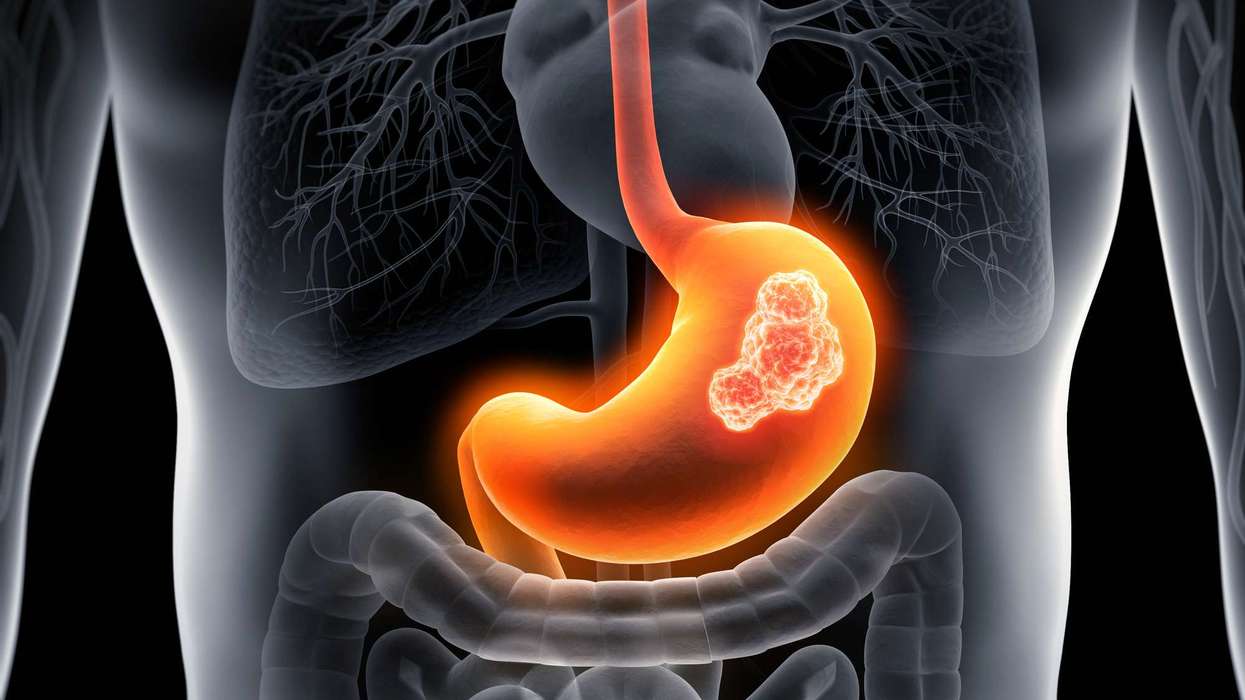
The NHS has rolled out a new and targeted immunotherapy for the first time to treat gastric and gastro-oesophageal junction cancer.
It is a form of stomach cancer that forms at the junction of the stomach and the oesophagus, which is usually diagnosed at an advanced stage.
Although surgery is possible, this type of cancer recurs with slim chances for the patients to survive more than five years post-diagnosis.
Durvalumab, or Imfinzi, manufactured by AstraZeneca, was recommended by the National Institute for Health and Care Excellence (NICE) for patients with stomach cancer that has not spread and can be removed via surgery.
The intravenous injection blocks the PD-L1 protein that helps the cancer cells hide in patients’ bodies, must be administered every four weeks.
The drug identifies the hidden cancer cells and destroys them.
Following the NICE recommendation, the drug was authorised for marketing by the Medicines and Healthcare products Regulatory Agency (MHRA) 17 days ago.
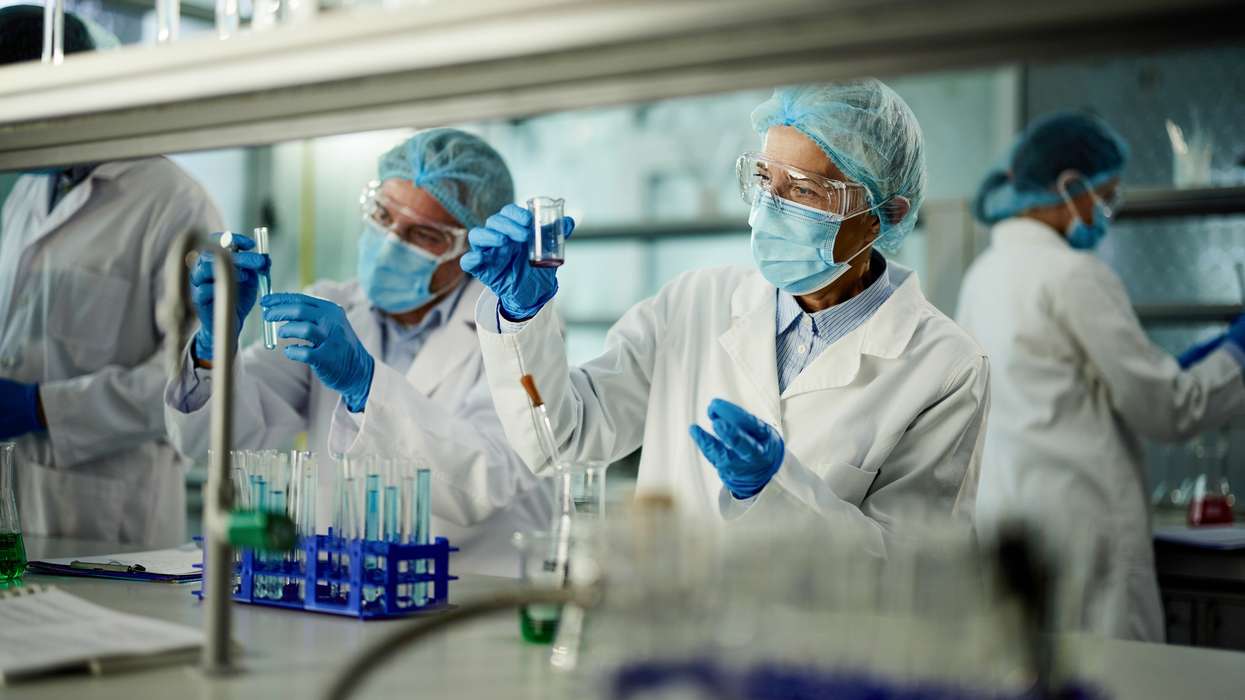
During clinical trials, the drug improved the quality of life of the patients, when combined with FLOT chemotherapy (fluorouracil, leucovorin, oxaliplatin and docetaxel), before and after the surgery.
Trials showed that people lived for an average of 40 months longer without their cancer worsening with the combination of the drug and chemotherapy, compared to the average 32 months of patients who took chemotherapy alone.
Out of the 948 people who participated in the clinical trial, 68.6 per cent lived for three years, while 61.9 per cent who took chemotherapy alone could not achieve it.
The company has a confidential commercial arrangement in place which makes durvalumab available to the NHS with a discount, says NICE.
“We are determined to ensure NHS patients in England have faster access to the most promising new treatments while providing value for the taxpayer,” said Helen Knight, the director of medicines evaluation at NICE.
“This is the first major advance in curative-intent treatment for stomach cancer in nearly a decade,” Sheena Dhawan, executive director at Stomach Cancer UK.