






Key Summary
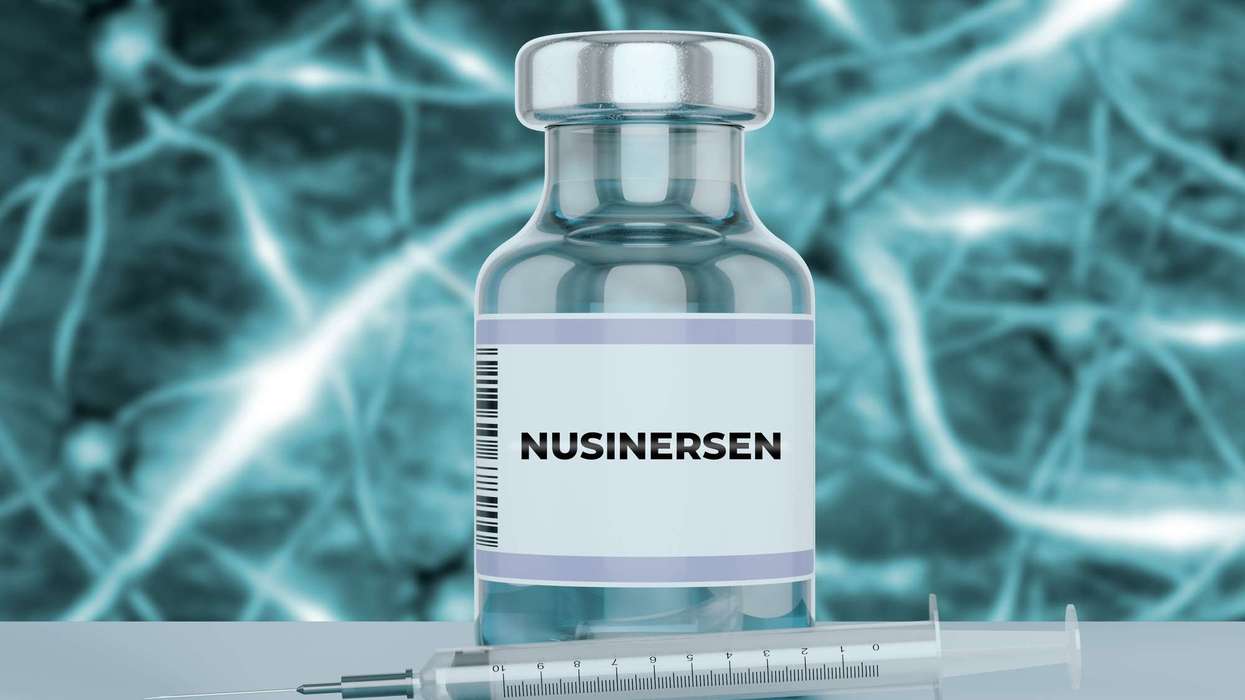
- NHS England has secured a deal to make nusinersen and risdiplam routinely available, ending years of uncertainty for families.
- Landmark data shows more than half of children with the most severe form of SMA (Type 1) are now surviving to age five or older thanks to these therapies.
- The agreement includes a new, high-dose nusinersen regimen that halves the number of initial injections required for patients.
Children with spinal muscular atrophy (SMA), a rare genetic muscle-wasting condition, will now receive two innovative, life-changing therapies - nusinersen injection and risdiplam syrup.
This follows a commercial agreement secured by NHS England, providing long-term certainty for families, backed by data from the SMA REACH UK study showing 73 children with severe Type 1 SMA surviving past age five, compared with untreated fatality before age two.
Nusinersen, delivered via spinal injections, and risdiplam, a daily oral syrup or tablet taken at home, join the one-shot gene therapy Zolgensma as standard NHS options.
SMA causes progressive weakness affecting breathing and swallowing. Around 70 UK babies are born with it annually, and evidence shows these treatments enable milestones like sitting, walking, and school attendance.
SMA is often grouped into types, based on the age that symptoms begin and how they affect sitting, standing and walking:
- Type 1: babies less than 6 months old
- Type 2: babies and toddlers aged 6 to 17 months old
- Type 3: children and teenagers from 18 months to 17 years old
- Type 4: adults 18 years old and over
It is estimated that there are around 1,150 people living with SMA types 1, 2 or 3 in England.
Professor James Palmer, National Medical Director for Specialised Services at NHS England, said: “These lifeline treatments have offered a phenomenal step forward in care for children and families affected by such a debilitating condition, and it is fantastic that they will now be available on the NHS in the long-term.
“For parents who faced the unimaginable pain of thinking their child would not reach their second birthday, they now have hope of seeing them walk to school and play with their friends, thanks to these life-changing new therapies on the NHS.
Public health minister Sharon Hodgson said that SMA can have a profound impact on every aspect of a person’s life, particularly for children and young people.
SMA UK CEO, Giles Lomax said: “This is a historic moment for the SMA community and follows many years of determined campaigning by patients, families, clinicians, charities and wider stakeholders to secure long-term access to these life-changing treatments.
“Since disease-modifying therapies first became available, the SMA community has worked tirelessly to ensure decision-makers understood both the realities of living with SMA and the transformative impact treatment can have. After years of uncertainty, people can finally feel confident that nusinersen and risdiplam will remain available on the NHS.”