






Key Summary
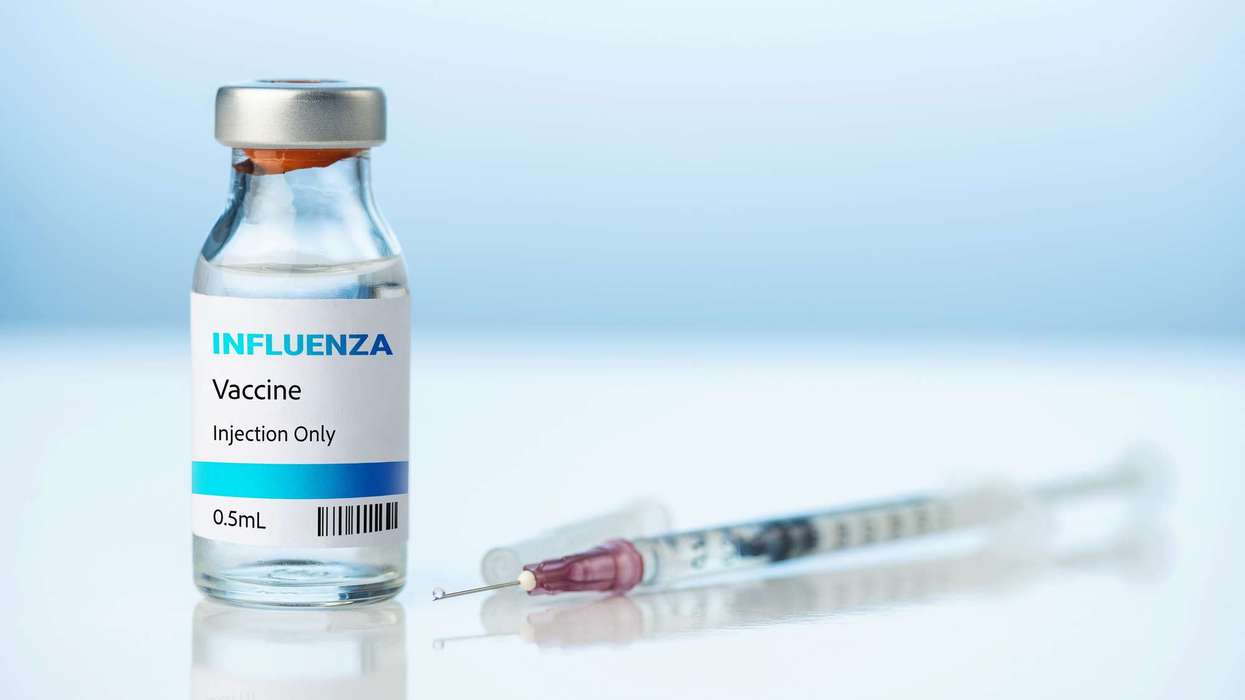
- The vaccination is given in injectable form for a vast majority of people, while a nasal spray is provided for most children.
- Most school-aged children will be offered their flu vaccination at school, while parents of two- and three-year-olds will be intimated through their GP practice.
- Children are offered the flu vaccine from September because the virus often spreads quickly among younger age groups.
The NHS on Tuesday (1) rolled out the first phase of its flu vaccination programme that will provide protection to millions of children and pregnant women.
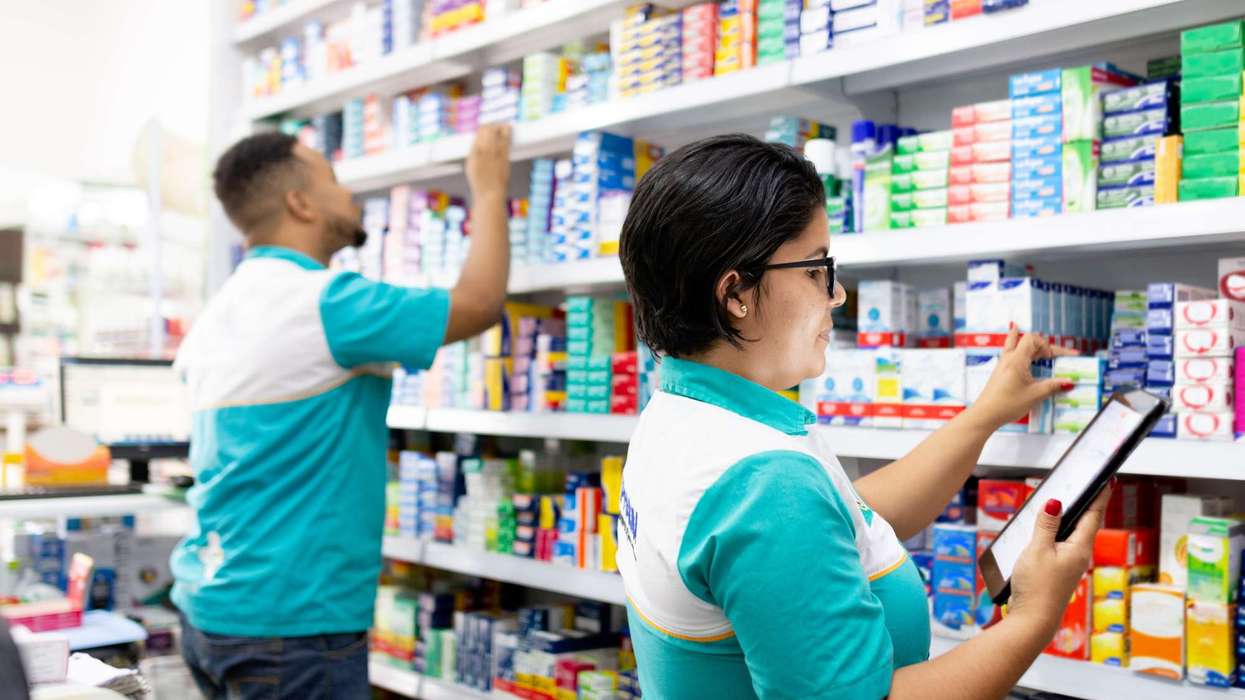
To ensure greater accessibility NHS teams are taking vaccines to local communities, delivering them in high street pharmacies and mobile vans.
Pharmacy owners will be paid an increased fee of £10.06 for each vaccination administered (last year it was £9.58).
The vaccination is given in injectable form for a vast majority of people, while a nasal spray is provided for most children.
Most school-aged children will be offered their flu vaccination at school, while parents of two- and three-year-olds, and of children in a clinical risk group, will be invited to arrange an appointment through their GP practice.
Pregnant women can get their flu jab at any stage of pregnancy and should approach their maternity team, GP practice or participating pharmacy about getting protected.
Flu usually peaks in December and January, and thousands of children need hospital care because of the virus, while pregnant women are also at greater risk of becoming seriously ill.
Children are offered the flu vaccine from September because the virus often spreads quickly among younger age groups.
Vaccinating children also curbs flu from spreading to other vulnerable groups such as babies, grandparents and pregnant women.
Last winter, nearly 19 million people received their flu jab in England and this helped avoid around 104,000 hospitalisations.
Other eligible groups will begin receiving their flu vaccinations from 1 October, including people aged 65 and over, adults with some long-term conditions, care home residents, carers, close contacts of people who are immunocompromised, people experiencing homelessness and frontline health and social care workers.
The government will provide free flu jabs for homeless people to reduce health inequalities.
From October, parents of two- and three-year-olds will also be able to book an appointment at participating community pharmacies through the National Booking Service.
NHS England National Director for Primary Care and Community Services Dr Amanda Doyle said: “Getting vaccinated only takes a few minutes, but it can make a real difference – helping protect you and the people around you from getting seriously unwell.
“So if you’re pregnant, speak to your maternity team, GP or community pharmacy about getting protected, and if your child is eligible, please take up the offer when it comes.”
Health Secretary Yvette Cooper said: “Vaccinations play a vital role in protecting those most at risk from flu and they are also crucial for relieving pressures on our NHS over the winter months.
“Everyone who is eligible for a free vaccination will be notified through their phone or in the post.
RSV vaccination
The NHS on Tuesday (1) is also expanding its year-round RSV vaccination programme to include people aged 65 to 74 with a weakened immune system, or certain long-term lung conditions.
RSV is a viral infection that can affect babies and adults with long term lung conditions.
Eligible people can receive their vaccination through their GP practice or, in some parts of the country, a participating pharmacy.
Those eligible should expect an invite from their GP practice.
Pregnant women can also get the RSV vaccine, as well as the whooping cough and flu vaccines, to help protect their newborn babies in their first weeks.
Since September 2024, RSV vaccination has been routinely available to older adults as they turn 75 years of age, with an initial catch up also offered to adults who were aged 75 to 79 years on 1 September 2024.
The programme was expanded on 1 April 2026 to also include all adults aged 80 years and over and all residents in care homes for older adults, who had not already received a dose through the initial programme.