






Key Summary
- NPA Chair Olivier Picard described GPs and pharmacists as the "forgotten foot soldiers of our health system," managing record-high workloads despite declining budgets.
- Leaders are demanding sustained funding increases and deeper collaboration between general practice and community pharmacies.
- Care minister Stephen Kinnock said that stronger collaboration between GPs and community pharmacy is vital for the future success of the NHS.
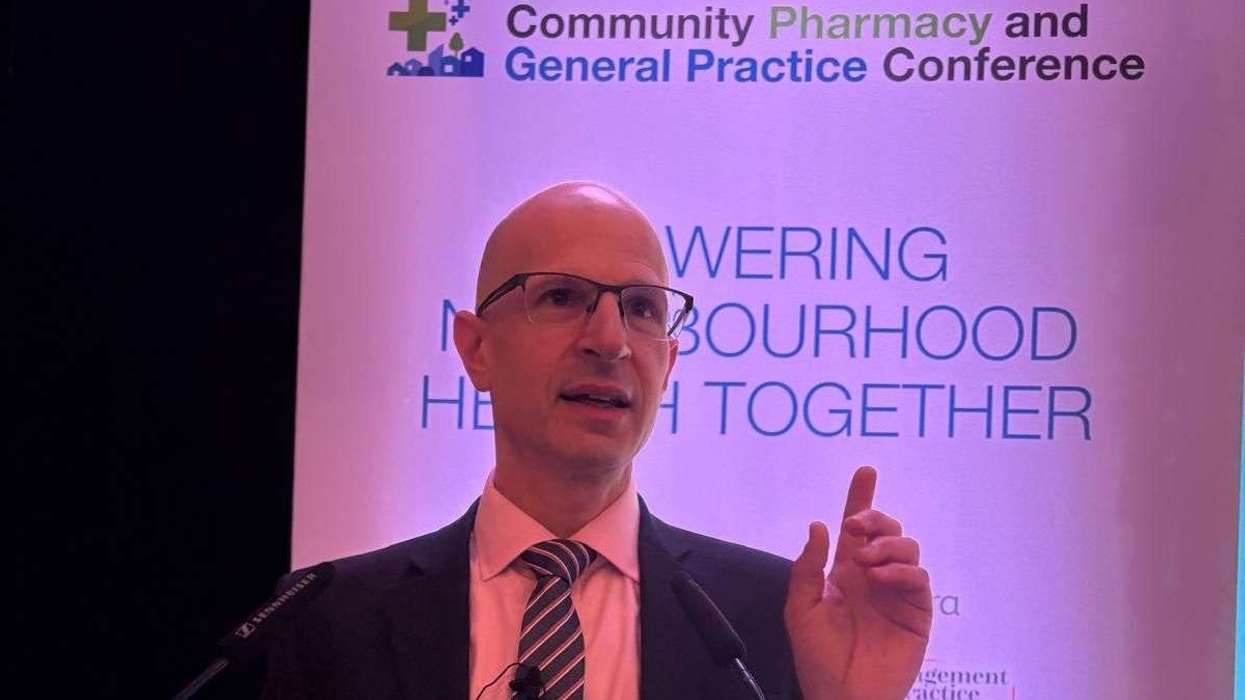
The Chair of the National Pharmacy Association (NPA), Olivier Picard, has called for a "generational shift in priorities" within the NHS to prevent the collapse of primary care.
Speaking at the Community Pharmacy and General Practice conference in Birmingham, Picard addressed primary care leaders from across the UK on the final day of the event (21-22 June).
He warned that while the government’s 10-year health plan ambitions represent a "golden opportunity", they will ultimately fail without sustained increases in the percentage of NHS budgets allocated to the frontline.
Care minister Stephen Kinnock echoed the sentiment during his address to delegates, stating that "stronger collaboration between GPs and community pharmacy is not just desirable, it is vital to the future success of the NHS."
“This is the future direction of the health service, a more accessible one, making better use of technology,” he added.
Kinnock promised delegates they would be central to shifting the NHS toward a more preventative, community-based model.
Shrinking primary care funding
An analysis by the NPA, which represents around 6,000 independent community pharmacies, revealed that despite primary care handling the vast majority of patient interactions, combined spending on GPs and pharmacies has steadily declined to just 8 per cent of the total NHS budget.
This represents a 2.6 per cent drop in real terms over the last decade, despite recent government commitments.
The same analysis by NPA found that:
- GPs conducted 103 million more appointments in 2026 compared to 2021 - a staggering 37 per cent increase. This equates to an increase of over 3,000 patient visits per practitioner since 2022.
- Pharmacies delivered 160 million more prescriptions compared to 2021, dispensing a record 1.3 billion medicines.
- An average independent pharmacy in England now sees 161 patients per day (up from 137 in 2016), totalling 1.6 million pharmacy visits across the country every single day.
Expand Pharmacy First
Industry leaders argue that expanding community pharmacy powers is the fastest way to alleviate pressure on general practice. Under the current "Pharmacy First" scheme in England, pharmacists can prescribe medications for seven common conditions, including infected insect bites, shingles, and uncomplicated UTIs.
The NPA is urging the government to "turbo-charge" the initiative by adding conditions like constipation, diarrhoea, and specific bacterial skin infections - bringing England into line with Scotland's highly successful model. NPA analysis suggests a fully expanded model could reach 20 million patients and save over 1 million hours of GP time annually.
Closing the conference, Olivier Picard urged the government to put its money where its mouth is regarding community-first healthcare: “GPs and pharmacists are the forgotten foot soldiers of our health system who are managing our highest workloads on record.
“We have a golden opportunity that must be grasped in the Government’s 10 year plan but to deliver a real shift to community resources are needed on the ground.
“If we are to shift care from hospital into the community, we can’t simply ask the community services to do more with less while secondary care, vital though it is, becomes ever more expensive. We have to execute a generational shift in priorities, properly resourced, that will deliver the better, more convenient care people want.”
Recently, the UK Health Security Agency (UKHSA) and Department of Health had announced that community pharmacies will offer children flu vaccinations during the 2026 to 2027 flu season.
This move was previously put forward by the NPA.