







Key Summary
- An estimated 5.5 million people live with undiagnosed hypertension in England
- The service enables community pharmacies to proactively identify people at risk.
- It emphasises the average wake-time ABPM reading as the key measure to share with general practitioners.
NHS England has published the updated service specification for the NHS Community Pharmacy Hypertension Case-Finding Service (6 August).
First launched in October 2021, the blood pressure check service empowers community pharmacies to identify individuals at risk of cardiovascular disease (CVD) and perform ambulatory blood pressure monitoring (ABPM) before referring patients for formal GP assessment.
Hammaad Patel, National Pharmacy Integration Lead at NHS England, shared on LinkedIn, that the update gives "greater clarity" for community pharmacy.
“The updated specification provides greater clarity for community pharmacy teams and their general practice colleagues, supporting a more consistent approach to the service while ensuring eligible patients continue to benefit from timely blood pressure checks and ambulatory blood pressure monitoring,” he said.
Key changes in the updated specification, which comes into effect on Thursday 3 September, include:
- 5-Year check frequency: Clarifies that eligible patients without a prior hypertension diagnosis can access the opportunistic screening service once every five years.
- Updated referral criteria: Refines criteria for patients referred into the service directly by general practice teams.
- Focus on Wake-Time ABPM: Emphasises average wake-time ABPM readings as the critical data point to share with GPs to support diagnosis.
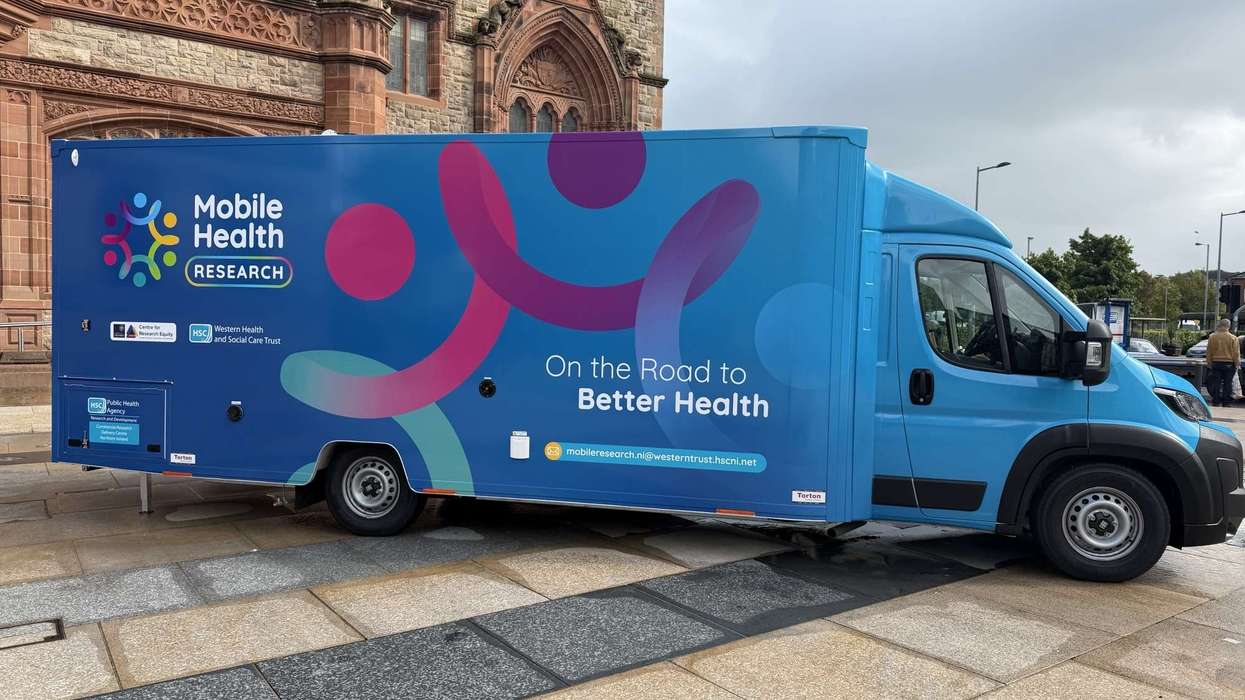
- Expanded off-site guidance: Integrates structured provisions for delivering opportunistic checks in off-site community settings (e.g., places of worship, sports grounds).
While the routine eligibility starts at age 40, pharmacy staff have clinical discretion to test patients aged under 40 (or between 35–39) if they have a family history of hypertension or are at higher risk (specifically highlighting South Asian and African-Caribbean populations).
The specification also details operational requirements, including consultation room standards, staff training and competency, and the mandatory provision of both clinic monitors and BIHS-approved ABPM devices.
While the Responsible Pharmacist (RP) retains overall professional accountability, the service does not require the RP to personally conduct every test.
Contractors are reminded that services must remain accessible, appropriate, and sensitive to the needs of all patient demographics.
Off-site provision (e.g., setting up screening hubs in places of worship, sports grounds, or supermarkets) is capped at up to four days per financial year per pharmacy contractor. This requires prior written consent from the local Integrated Care Board (ICB) and a full risk assessment evaluating patient safety, GPhC standards and confidentiality.
Online/DSP pharmacies are only permitted to participate in this service via off-site delivery. They should register to provide the service off-site, pending approval from the ICB commissioning team. They cannot provide it at their main fulfilment premises.
The specification also details patient exclusions, to prevent unnecessary workload, including:
- Patients who already have a confirmed diagnosis of hypertension or are on treatment.
- Patients who require daily monitoring (e.g., 7-day clinic checks).
- Patients where standard cuff sizes do not fit (who must be referred straight to their GP).
The document emphasised that cardiovascular disease prevention remains a high priority, pointing to a renewed commitment in the 10 Year Health Plan for England to focus on community-led methods and tackle variations in the uptake of high-impact interventions.