






Key Summary
- Community pharmacies in North East London offered quick cholesterol tests, helping bring heart checks closer to home.
- About 1 in 5 people were at higher heart risk, with some starting treatment and others making lifestyle changes.
- Patients found it fast, convenient and helpful, showing the value of pharmacy-led prevention services.
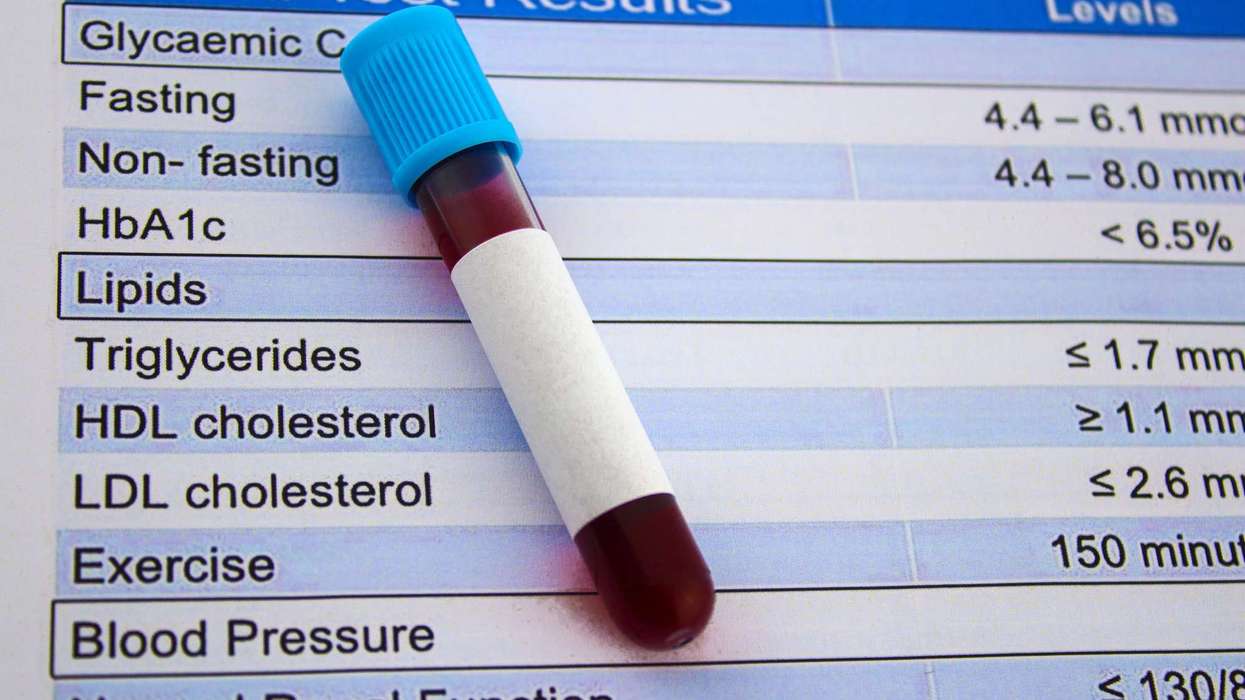
Community pharmacies across North East London participated in a pilot programme conducted by Barts Health NHS Trust to provide cholesterol point of care testing (POCT).
The initiative was to raise awareness on declining cardiovascular disease (CVD) detection rates post-Covid, as routine monitoring is facing a serious shortage.
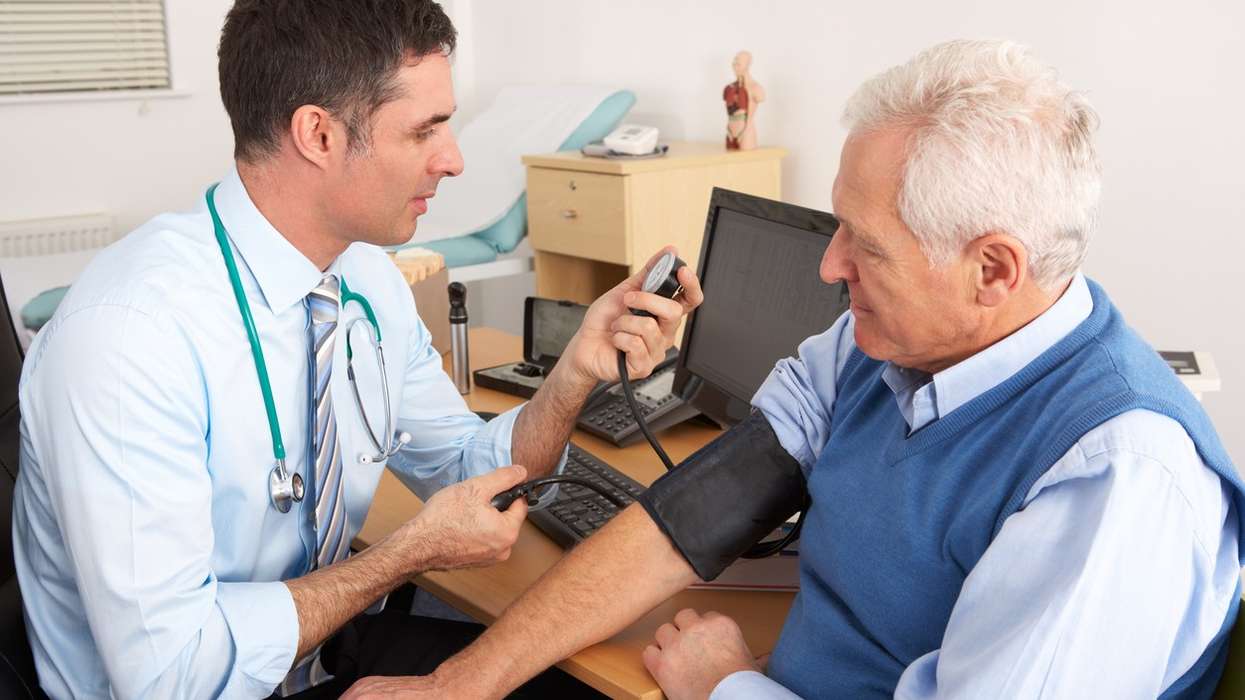
However, this programme provides cholesterol checking alongside NHS blood pressure checks, which aims to bring cardiovascular prevention closer to home in community settings.
The participating pharmacies are given lipid testing devices and training to conduct non-fasting lipid testing and understand results.
Also Read: How point-of-care testing works
This provision provides the test result during the consultation itself, followed by personalised advices, immediate referral of chronic patients to GPs for further examination, etc.
The integrated pathway protects adults between 40 and 74 years by reducing health inequalities and better access to preventive care.
The POCT programme had assessed 556 patients last year across seven community pharmacies in North East London.
Around one in five patients, which's 111 of them had a higher heart disease risk.
Some of these patients had high cholesterol and triglycerides which means they might have other hidden health issues. The doctors administered statins to 24 patients.
The other patients decided to make some lifestyle changes. They had meetings with doctors and took early steps to prevent things from getting worse.
The programme also enabled the identification of challenges such as resource-intensive setup, time constraints, and statin hesitancy.
Patients expressed positive feedback including convenience, speed, clear and personalised explanation and no compulsory GP appointments.
“This was a great service to roll out to seven pharmacies (six of which were independent prescriber pathfinder sites),” commented Shilpa Shah, chief officer of Community Pharmacy North East London.
“Opportunistic POCT is brilliant for this cohort. Services like this absolutely meet the NHS 10-year plan ambition of prevention and we need more of these services in community pharmacy. I’d like to see this service available from all Community Pharmacies.”