






The Royal College of Pharmacy (RCPharm) has set out new expectations for clinical experience and competence for pharmacists working in aesthetics.
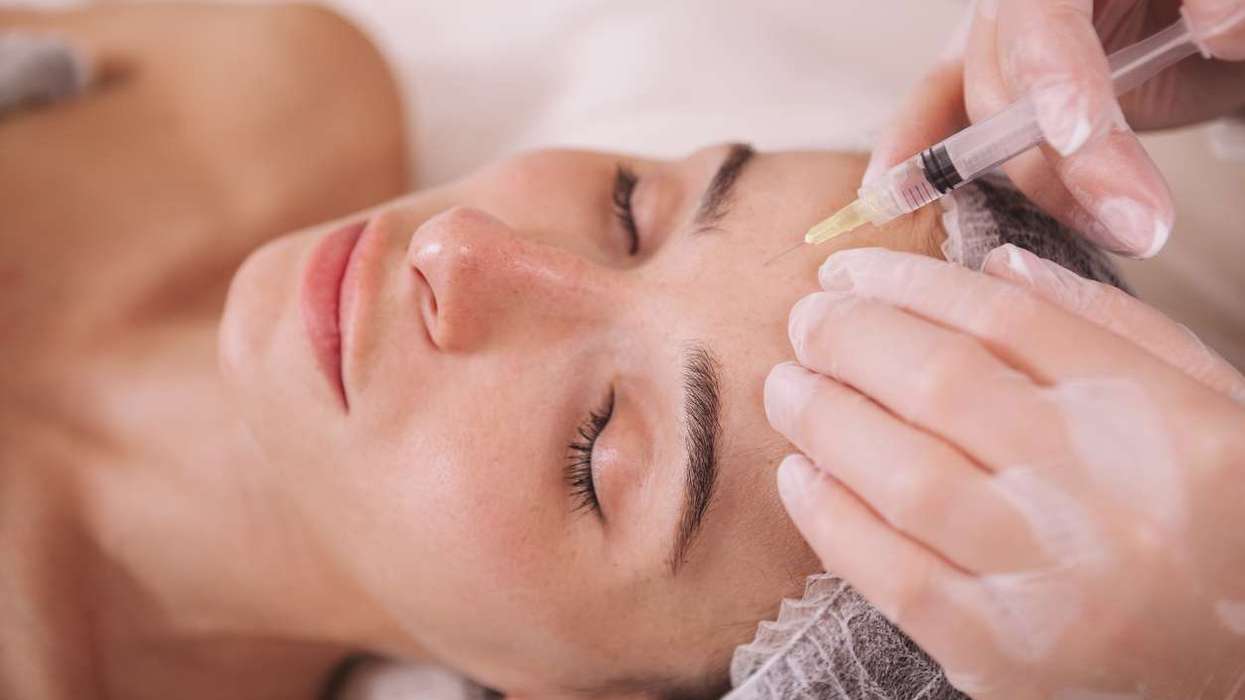
The college has published an updated position following a review of aesthetic practice, setting out professional expectations for pharmacists who provide non-surgical cosmetic procedures.
As the aesthetics industry grows and public demand for cosmetic procedures increases, the guidance says that procedure-specific training alone is not sufficient for pharmacists to practise independently in this area.
Safe and effective aesthetic practice also requires appropriate clinical experience, supervised practice, and the necessary competence.
The review was carried out in response to legislative changes and a growing number of enquiries to the college about aesthetics practice.
The guidance also details strict operational and clinical governance standards:
- Complication management: Practitioners must have active, verified competencies to diagnose and immediately manage clinical emergencies (such as vascular occlusions) and maintain established escalation pathways.
- Age restrictions: Pharmacists should not offer non-surgical cosmetic procedures to individuals under the age of 18.
- Premises and safety: Treatments must be performed in regulated, clinical-standard premises with robust record-keeping, verified product sourcing, and comprehensive indemnity cover.
- Revalidation: Ongoing learning and aesthetic competency assessments must be actively recorded within annual GPhC revalidation portfolios.
The change comes as the regulatory landscape for non-surgical cosmetic procedures continues to develop across the UK, including recent legislation in Scotland to strengthen safeguards in this area.
As requirements differ across the four nations, pharmacists are responsible for ensuring their practice complies with the standards and legal obligations that apply where they work.
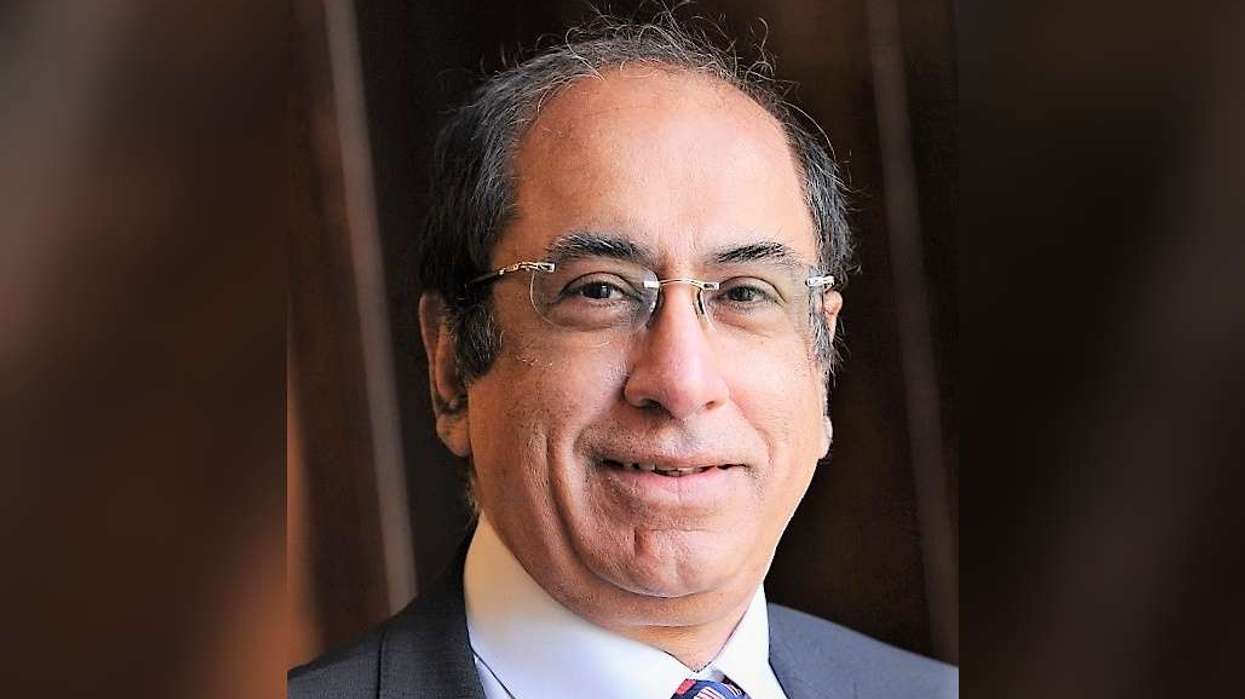
Tase Oputu, RCPharm President, commented: “Aesthetic practice is an evolving area and pharmacists working in this space need to be able to demonstrate that they have the right skills, experience and competence to provide safe, high-quality care.
“This updated statement reinforces the importance of putting safety at the heart of aesthetic practice. Pharmacists need to have the experience and professional judgement to put the individual first, recognise when a treatment may not be appropriate and make sure the individual is properly supported if things don’t go as planned.”