








Key Summary
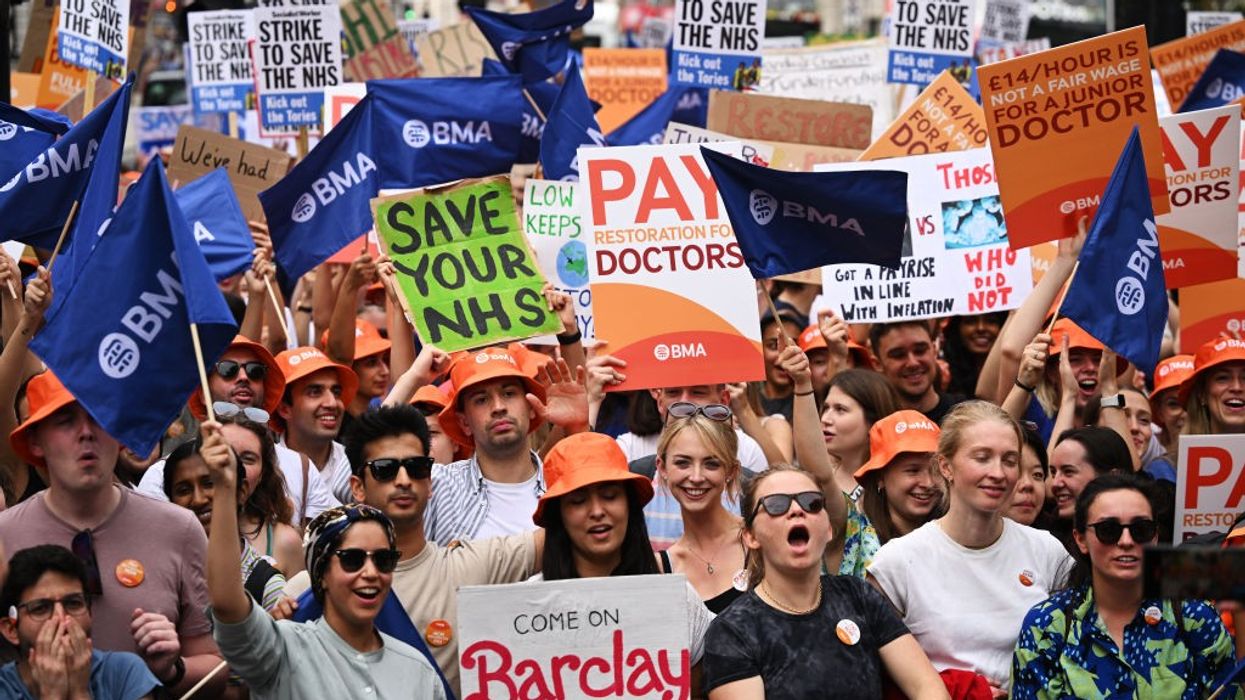
- Resident doctors plan to stage a five-day strike starting on December 17 as part of a series of walkouts over pay and working conditions
- The government offer includes measures to improve access to training posts and fund mandatory exam fees
- If BMA members believe this is enough to call off strike action, then a referendum will be held
Resident doctors in England will consider whether the government's new offer on working conditions is enough to call off a strike planned for later this month, the British Medical Association union said on Wednesday (10).
The union's resident doctors - qualified physicians who make up nearly half of the medical workforce - are planning to stage a five-day strike starting on December 17 as part of a series of walkouts over pay and working conditions.
The BMA said the government had "put forward an offer on ending the jobs crisis for doctors in England".
This included measures to improve access to training posts and fund mandatory exam fees. The offer did not include new pay terms.
The BMA says resident doctors are still suffering from years of pay erosion, but the government has repeatedly said it is unable to improve on a 5.4 percent pay increase announced earlier this year.
BMA resident doctors' committee chair Jack Fletcher said:
"If members believe this is enough to call off strike action, then we will hold a referendum to end the dispute. But if they give us a clear message that it is not, the government will have to go further to end industrial action."
Should the BMA accept the government's offer, the latter will accelerate plans to prioritise these medics, addressing the current system that has led to soaring competition ratios - with current applicants set to benefit from the 2026 intake.
The other measures include creating 4,000 more specialty training places, with 1,000 of these brought forward to this year.
Cost-related measures, such as reimbursement for exam fees, to address the unique costs that resident doctors face.
Increasing the less-than-full-time allowance by 50 percent to £1,500.
There are currently record numbers of doctors working in the NHS, but training bottlenecks are at an all-time high, with UK graduates facing record competition for places due to rising numbers of international applications, and in many cases being left without a job to go into.
The last Government scrapped the Resident Labour Market Test, which required employers to check first if they can find an acceptable locally trained person to do the job.
Health minister Wes Streeting, who has been strongly critical of the union's decision to strike at a time when the healthcare system is stretched due to winter-related illnesses, appealed to doctors to accept the deal.
"While I'm frustrated with the BMA, and I think they're playing games now with patients' lives and the lives of other doctors who will be forced to cover strikes, that doesn't alter the fact that what we've put forward is a good deal for doctors," he said.
Rory Deighton, acute and community care director at the NHS Confederation, said, “It is very pleasing that the BMA is considering this new offer from the government to end this long-running dispute and potentially avert hugely disruptive strikes next week.
"These strikes would come at the worst possible time, with rapidly rising flu levels putting huge strain on hospitals, and despite NHS leaders working incredibly hard to prepare, we are concerned it could put patient safety at risk.
“These strikes are disproportionate given the generous pay rises resident doctors have already had. We would urge resident doctors to seriously consider this offer, which aims to address access to specialty training places and concerns over exam and membership fees.”