





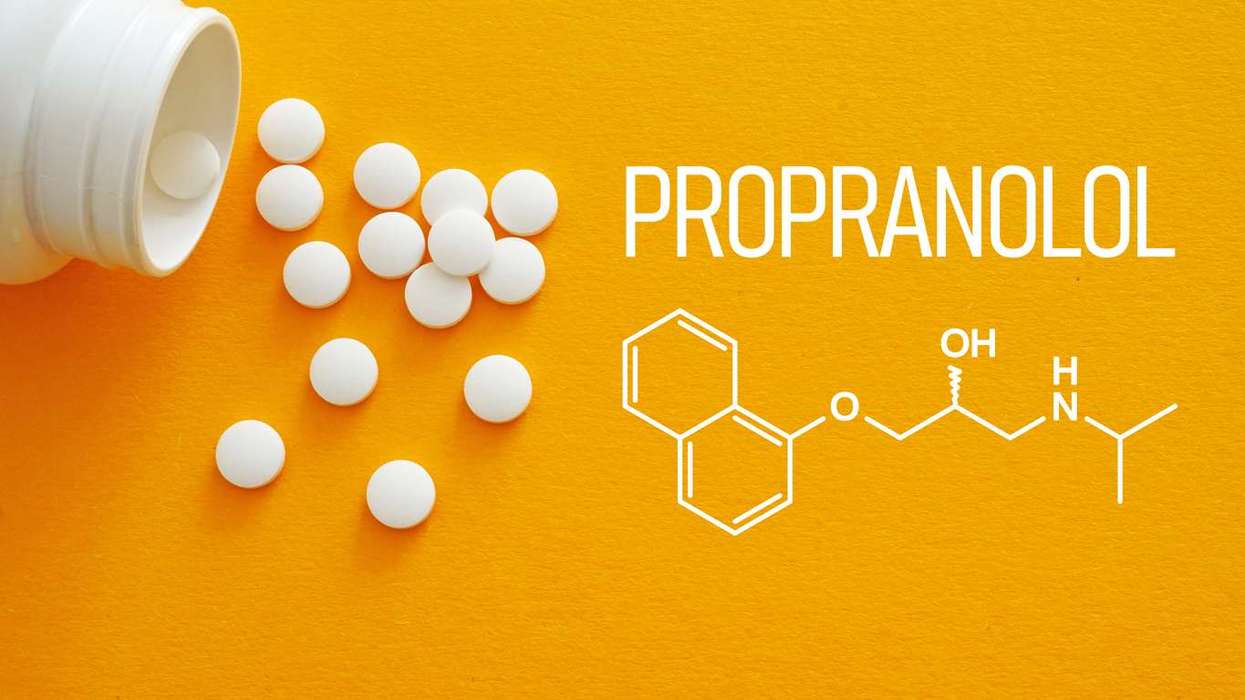

The Royal College of Pharmacy and the Royal College of Physicians Medicines Safety Joint Working Group have expressed concern over the use of propranolol for generalised anxiety disorder, and called for a review of its safety information.
The two organisations, in collaboration with the National Poisons Information Service, have written to the Medicines and Healthcare products Regulatory Agency (MHRA) to update the medicine’s Summary of Product Characteristics, particularly around overdose, self-harm and suicide risk.
The request is based on evidence and clinical experience that show harmful effects of the medicine for a number of reasons:
- There is no established evidence that propranolol is effective in treating generalised anxiety disorder.
- Propranolol poisoning can be life-threatening, is challenging to manage and has been linked to a substantial number of deaths.
- Prescribing of propranolol in general practice is rising, partly because the medicine is considered relatively safe.
- Patients at a higher risk of overdose - including those taking antidepressants or with a previous history of overdose - continue to receive propranolol.
The organisations said the letter forms part of a broader programme aimed at improving understanding of medication-related risks and promoting safer prescribing across the healthcare system.
Kate Ryan, Joint Chair of the RCP/RCPharm Medicines Safety Joint Working Group, said: “Patient safety is at the heart of this work. While propranolol remains an effective treatment for many patients, its use for anxiety presents challenges. We are concerned about the serious consequences of overdose, particularly for vulnerable individuals.”
Dr Zuzanna Sawicka, Joint Chair of the RCP/RCPharm Medicines Safety Joint Working Group, said: “We are asking the MHRA to review whether the current indication for generalised anxiety disorder and associated safety information remain appropriate. Strengthening awareness of these risks among healthcare professionals and patients could support safer prescribing decisions and help prevent avoidable harm.”
The joint Medicines Safety Group will also support an NHS England Patient Safety Team short-life working group examining the issue. Its work will include consideration of non-pharmacological approaches and supported self-care options for patients.