






Self-care is now a vital component of the community pharmacy offering as patients are turning to self-treatment with ever increasing pressures on primary care.
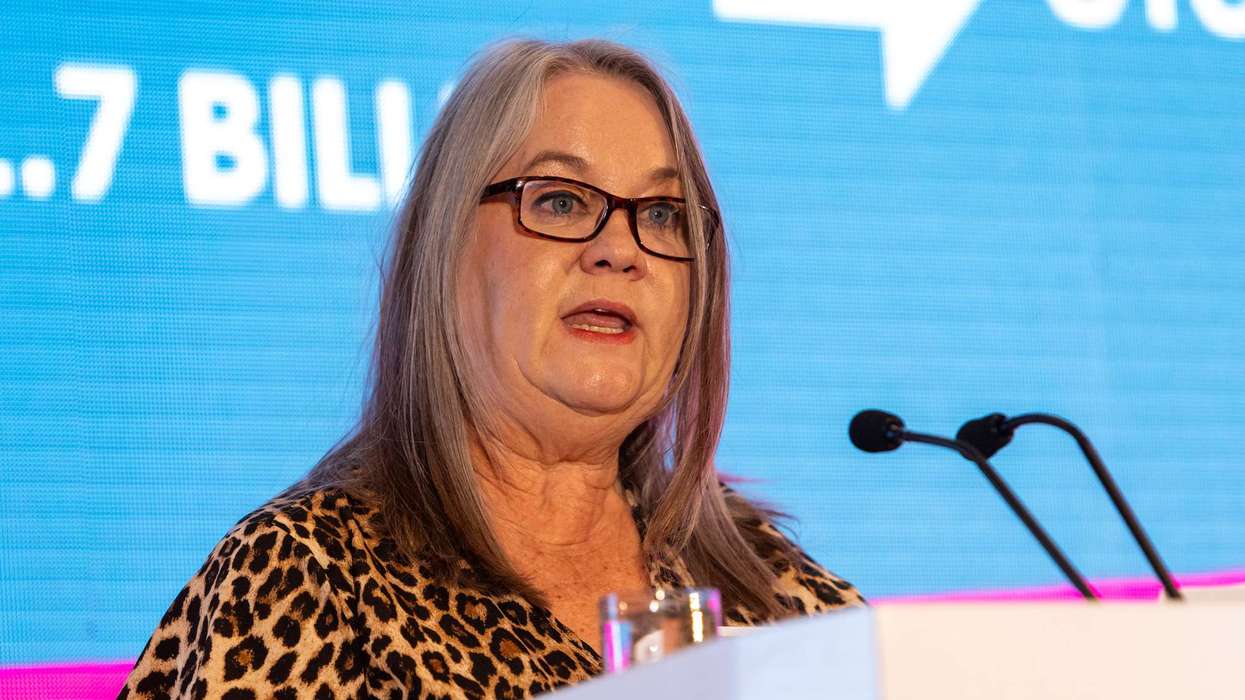
Speaking at the tenth annual Pharmacy Business Conference on 19 April at the Wembley Hilton, Angela Carle, Reckitt's Training and Development Manager – Health, cited a 2023 Frontier Economics report showing that 25 million GP appointments and five million A&E visits each year are for conditions that could be self-treated. This costs the NHS an estimated £1.7 billion - savings that could be realised through greater use of OTC medicines.
Angela pointed to the PAGB's annual self-care survey as further evidence of the opportunity. The research shows that attitudes towards self-care remain strongly positive, with 84 per cent of adults saying it would be their first choice for managing their own health. Confidence in OTC medicines is equally high: nine in ten adults used OTC products to treat a minor condition in the past year.
Public awareness of NHS pressures is also shaping behaviour. Seven in ten adults acknowledge that the health service is busy and under-resourced - a perception encouraging more people to self-treat at home or visit a pharmacy rather than their GP or A&E. At the same time, a growing number of patients are turning to digital information, self-management tools and community pharmacies as their first port of call.
Angela emphasised that, when practised safely and with confidence, self-care plays a critical role in protecting NHS capacity and ensuring patients receive the right support at the right time. She highlighted community pharmacists as one of the most trusted touchpoints in the NHS, with patients relying on their expertise and guidance for safe and effective self-care.
Industry support for community pharmacy
She outlined how industry can actively support community pharmacy, citing several Reckitt-driven initiatives. She identified three core areas: provision of evidence-based information, education and upskilling, and product innovation.
"Industry must provide clear, accurate, science-led information that helps pharmacists offer confident and consistent advice," she said, adding that supporting the upskilling of pharmacy teams with appropriate training and tools is equally important. Innovation, she argued, can directly improve patient outcomes.
Responsible marketing also has a central role. "All communication from industry must be accurate, ethical and balanced, prioritising patient safety and supporting the clinical role of pharmacy," Angela said, stressing that companies must adhere strictly to national and international codes of practice.
Putting principles into practice
Angela cited several examples of how Reckitt has applied these principles. Among them is the "See My Pain" campaign, which addresses the gender pain gap. "Research shows that one in two women feel their pain has been ignored or dismissed because of their gender," she said.
Reckitt has also invested in high-quality learning resources designed specifically for pharmacy teams, with a particular focus on antimicrobial resistance (AMR) - an area where self-care and OTC medicines have a key part to play.
"Using the FeverPAIN tool to clinically assess sore throat and make an appropriate treatment recommendation is a key way of supporting AMR stewardship," Angela said. "Delaying antibiotic prescribing and recommending another appropriate treatment should be the priority wherever possible."