





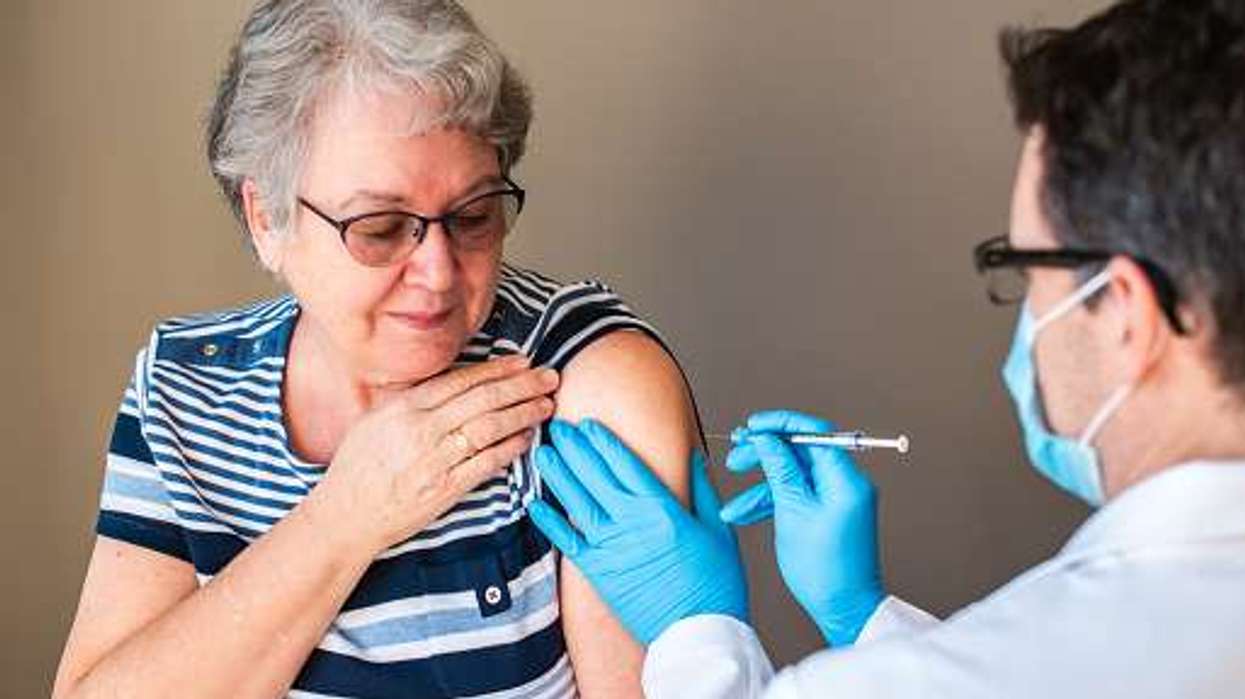

The new shingles vaccine, Shingrix, may also reduce cardiovascular disease risk, according to new research published in Nature.
The researchers at the University of Oxford and NIHR Biomedical Research Centres used the records of 70,000 people in the US aged 60 and above, and found that those who had received Shingrix had a 12% lower risk of a cardiovascular diagnosis in the following three and a half years.
In males specifically, it was also associated with a decreased risk of stroke.
"Given the global burden of cardiovascular disease, these findings, if confirmed in clinical trials and mechanistic studies, would have important implications for public health," the authors wrote.
The study compared the individuals who had received the new recombinant vaccine (Shingrix) with those who received the older version, and found that individuals who received the recombinant vaccine were at a lower risk of cardiovascular events for seven years.
The researchers had previously showed that Shingrix is also associated with a lower risk of dementia.
Dr Maxime Taquet, Associate Professor in the Department of Psychiatry at Oxford, who led the study, said: "Having already shown that this vaccine is linked to a lower risk of dementia, we now find it may also protect the heart.
"If confirmed in clinical trials, vaccinating older adults against shingles could prevent hundreds of thousands of coronary heart diseases, strokes and cases of heart failure worldwide."
Shingles is caused by reactivation of the chickenpox virus, which remains dormant in the body after an earlier infection, and can cause painful rashes, fever, chills, headaches and fatigue.
It can be prevented by getting the two-dose vaccine, which is about 90% effective in the elderly.
The first vaccine against shingles, Zostavax, was based on a weakened version of the chickenpox virus, and this was succeeded by a more effective vaccine, Shingrix, which uses newer vaccine technology.
In the UK, Shingrix is available on the NHS for all adults turning 65, those aged 70 to 79 and those aged 18 and over with a severely weakened immune system.