





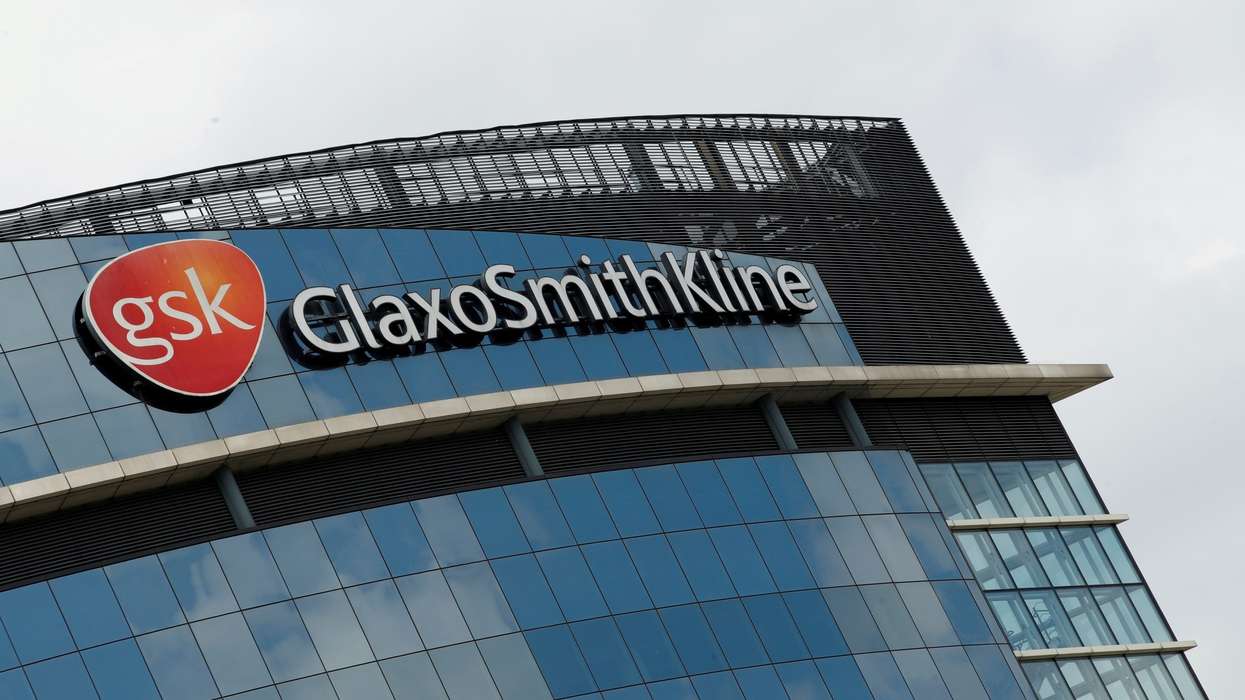

GSK has decided to cut as many as 1,217 jobs in Belgium, as the drugmaker moves to implement its three-year plan to save £1.9 billion in costs.
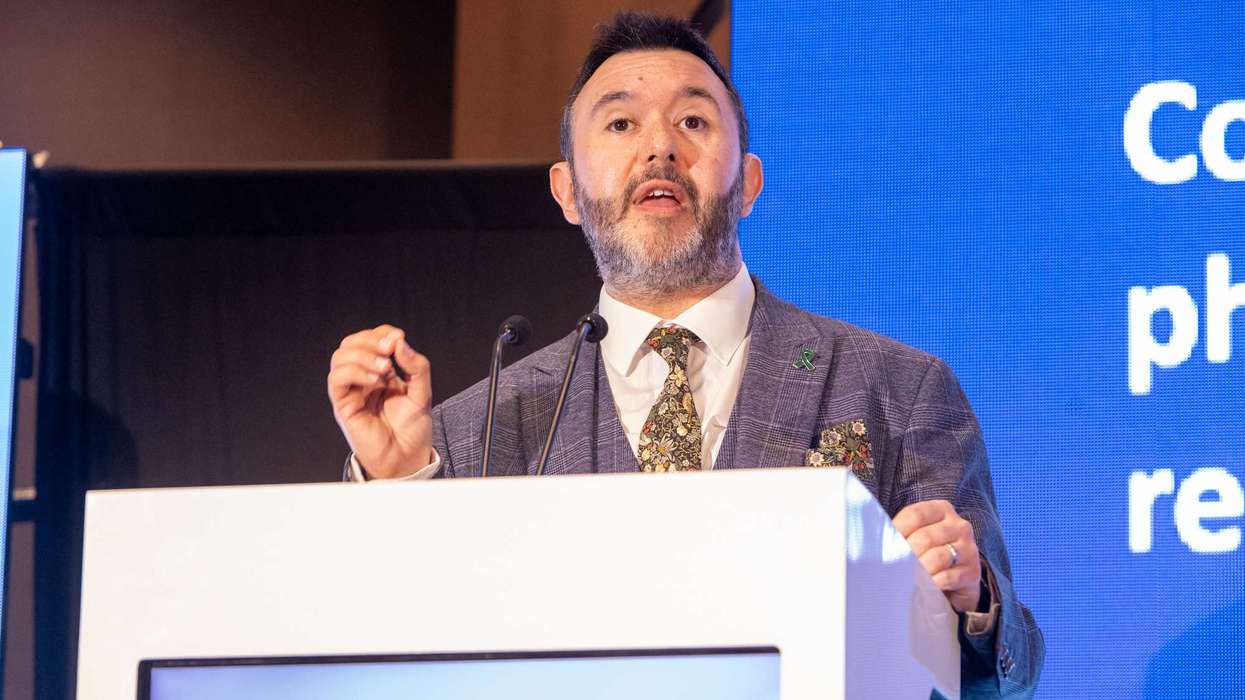
CEO Luke Miels had launched the effort in July to speed up drug development and reassure investors that GSK can manage an approaching patent cliff for its blockbuster HIV drug dolutegravir.
The British drugmaker is banking on its experimental targeted cancer drug Mocertatug Rezetecan, known as Mo-Rez, which has shown promise during trials to treat tumours in patients with advanced, hard-to-treat cancers.
GSK had in July announced a £400m investment in a science hub in Cambridge and plans to build its links with research hospitals in Cambridge.
In its latest announcement, the company wants to simplify its research, manufacturing and support operations, including through increased use of digital tools and more automation.
The proposed cuts would affect some of its more than 8,000 employees at sites in Rixensart, Wavre and Gembloux, but would not include factory workers.
Globally, GSK had 66,841 employees at the end of last year, according to its annual report.
GSK said it will remain the country's largest biopharmaceutical sector employer and that Belgium will continue to produce the majority of its vaccines.
The plans were presented to unions earlier on Wednesday, Belgian newspaper L'Echo reported.
The company expects the proposed changes will help its factories to better match demand for some of its established vaccines.
Last month, GSK said it plans to shut down a vaccine factory in Dresden, Germany next year citing decreased demand for egg-based flu vaccines.
GSK will continue working with Belgian universities and research centres but focus R&D resources on high-priority projects, including its mRNA flu vaccine, it said on Wednesday (14).