






Key Summary
- GSK acquired the Mo-Rez cancer treatment, an antibody-drug conjugate, from China’s Hansoh Pharma in 2023.
- Mo-rez targets the B7H4 protein found on gynaecological cancer cells but is largely absent from healthy tissue.
- It is administered every three weeks via intravenous infusion.
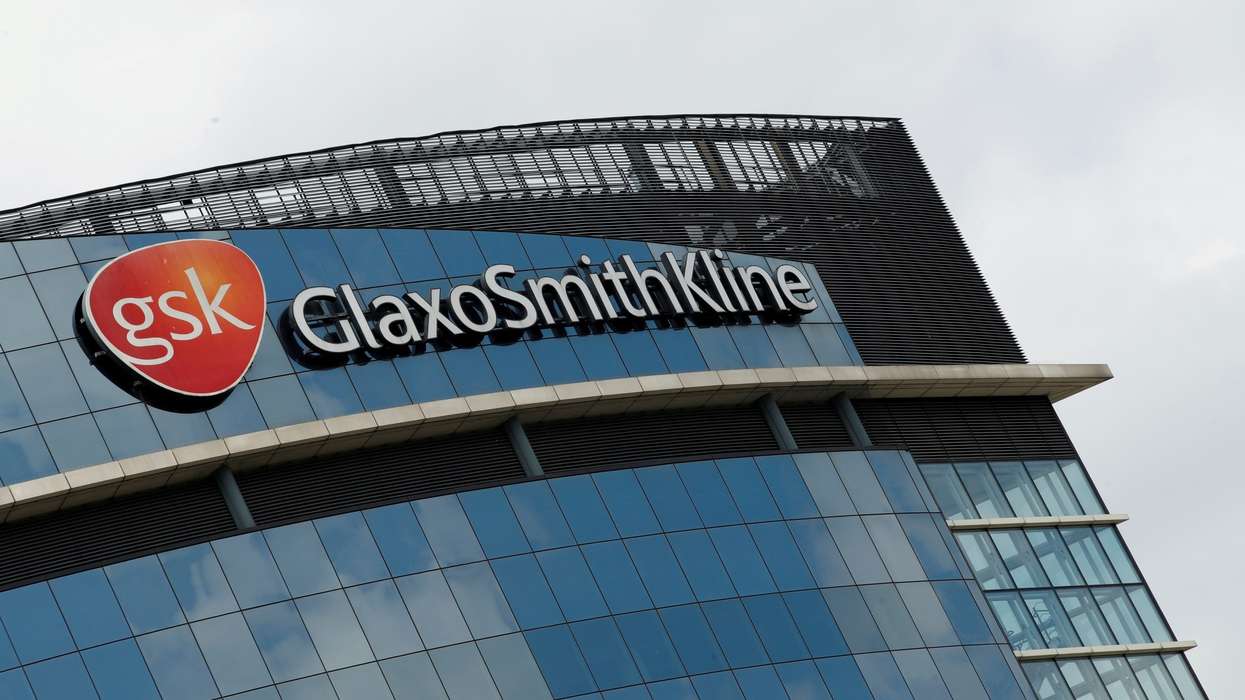
GSK's experimental targeted cancer drug Mocertatug Rezetecan, known as Mo-Rez, has shown promise after early data revealed that it helped shrink tumours in patients with advanced, hard-to-treat cancers.
Mo-Rez shrank or eliminated tumours in 62 percent of patients with ovarian cancer where chemotherapy had failed, and in 67 percent of those with endometrial cancer, according to media reports.
The British pharma giant presented the early data at a medical conference in Puerto Rico on Sunday (12).
"This is one of our priority assets at this stage," said Hesham Abdullah, GSK’s global head of cancer research and development, on a call with journalists. "Do we think it would be a blockbuster? Yes, absolutely," Abdullah added.
GSK acquired the Mo-Rez cancer treatment, an antibody-drug conjugate (ADC), from China’s Hansoh Pharma in late 2023.
It is testing Mo-rez in two late-stage trials in ovarian and endometrial cancers and plans to start three additional studies in coming months.
Mo-rez targets the B7H4 protein found on gynaecological cancer cells but is largely absent from healthy tissue. It is administered every three weeks via intravenous infusion.
The market for ADC treatments is projected to reach $31 billion by 2030.