







Being named ‘Role Model of the Year’ at Women in Data's flagship event in London this year was a genuine surprise, not least because it isn't an award you can apply for. It is given by the community to people they feel have supported it.
That distinction is important, because what the data profession needs more of is collaboration and community, and an understanding that what makes us tick is the patients, customers and communities we serve.
Healthcare is, in many respects, one of the most data-intensive sector in the modern economy. Every prescription dispensed, every shipment moved, every clinical decision made and every patient outcome recorded leaves a trail of information that, in aggregate, shapes how the system performs.
‘All roads lead back to data’
Pharmaceutical distribution alone depends on data flows of remarkable complexity: millions of pack movements, thousands of dispensing points, regulatory requirements that vary by country and product.
When those data flows work well, medicines reach the people who need them on time. When they don't, the consequences are immediate and human.
The rise of AI has only sharpened the stakes. All roads lead back to data, and a poorly built dataset will produce a poorly behaved model, whatever algorithm sits on top of it.
Healthcare cannot afford that. An AI chatbot suggesting the wrong film is an inconvenience; an automated system steering decisions about medicine supply, patient access or care pathways is something else entirely.
The discipline behind the data, including the governance, the ethics, the quality assurance, and the cultural willingness to challenge a number that doesn't look right, is what separates useful insight from confident-sounding noise.
Diversity is important
Diversity can strengthen the quality of thinking and decision-making. If the people interpreting healthcare data all share the same background, the same assumptions and the same blind spots, the decisions that follow will carry those limitations forward, often invisibly, at scale. A profession that serves everyone needs to be shaped by perspectives drawn from everyone. Gender is one dimension of that, but so is neurodiversity.
Data has long attracted neurodiverse thinkers, and creating space for those perspectives is every bit as important. Allies matter too. Women in Data has thrived in part because of the men who have stood alongside it, and the wider profession will only progress at the pace its allies allow.
The picture is improving, but there is still more to do. Male analysts and data scientists still outnumber their female colleagues. Although, entry-level representation has genuinely improved, which is encouraging. Further up the pipeline, however, that progress is less consistent, with women stepping away at mid-career, often around life stages, including menopause.
This means leadership teams do not always reflect the full range of talent coming into the profession.
Continued improvement will depend on sustained leadership development, open conversations about career barriers, and a clear focus on progression based on capability, contribution and potential.
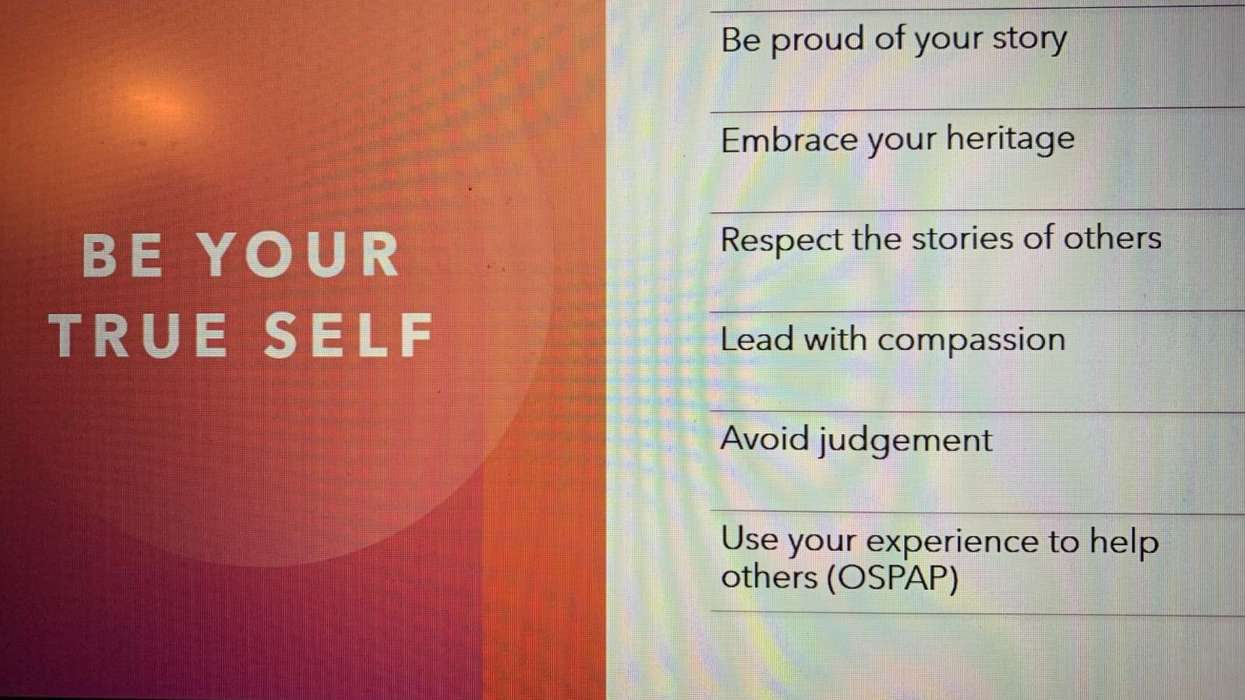
Visibility and mentoring are the levers most readily available to the rest of us. Standing up, being honest about the projects that went brilliantly and the ones that didn't, and being open about the fact that careers in data are rarely linear: all of it helps the next person feel less alone in their uncertainty. One-to-one conversations matter enormously, because they offer undivided time and, ideally, more questions than answers. Meeting people where they are matters too.
‘Data is for everybody’
I developed a data-themed escape room to bring the data value chain to life, it has now been played by hundreds of professionals, including a group of 250 at BAE Systems, because sometimes the fastest way to help people understand a complex system is to let them enjoy it. I am also writing a book on why data culture matters, which will be published this August, and exists for much the same reason.
Within healthcare specifically, the case for getting this right keeps growing. Alliance Healthcare, by Cencora’s mission of building healthier futures depends, in practical terms, on data: on the systems that move medicines, the analytics that anticipate demand, and the insight that helps pharmacists and clinicians make better decisions for the people in front of them. Investment in data and analytics across Alliance Healthcare has been significant and the leadership support behind it has been clear.
Healthcare doesn't stand still, and neither can the data discipline that underpins it.
If there is one message worth leaving here, it is that data is for everybody. Data teams curate and provide it; the decisions belong to everyone else, from clinicians and pharmacists, to the executives shaping strategy.
The more diverse the hands shaping that work, the better those decisions will be for colleagues, for customers, and for the patients and communities the sector ultimately serves.