






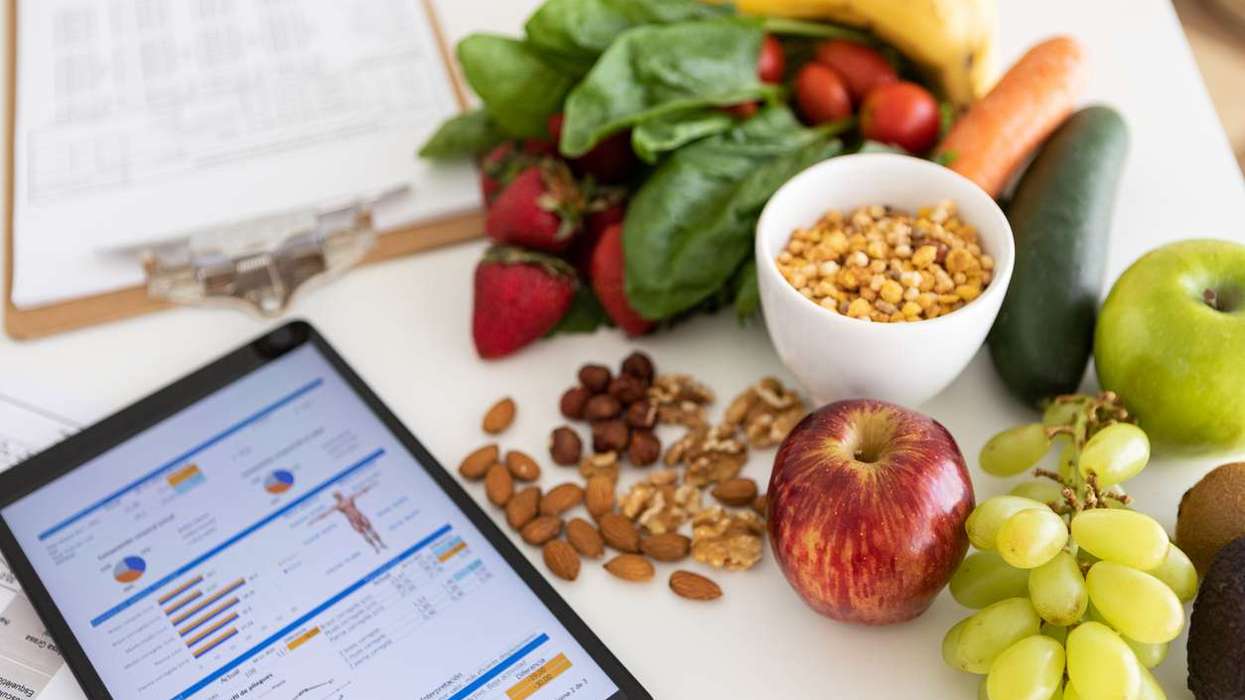

Most people visit a pharmacy more than ten times a year, but see a GP maybe twice. Sit with that. The person handing you your prescription is, statistically, seeing your face more than almost anyone else in the health system.
And increasingly, what they're being asked isn't "what's this pill for." It's "what should I actually be eating."
For a long time that question felt out of place in a pharmacy. Healthcare meant treatment. You got ill, went in, got fixed, end of story. Prevention was the thing nobody budgeted for, the line in a leaflet nobody read. That's shifted, and not slowly either.
Populations are ageing, chronic illness rates keep climbing, and health systems everywhere are realizing they can't keep treating problems only after they've taken root.
Why Prevention Is Getting Attention
No system, public or private, can keep absorbing the cost of reactive care forever. It's not sustainable, and honestly it never really was.
So there's been a genuine pivot, in policy rooms and at street level alike, toward keeping people well instead of only patching them up once things go wrong.
Nutrition sits close to the center of that pivot. Not because it's fashionable (though it kind of is right now), but because it's tied directly to how well people age and how much strain they put on health systems down the line.
What's a bit odd is who ends up delivering that message. Rarely a specialist. Usually whoever's behind the pharmacy counter, squeezed between prescriptions and a queue out the door.
Community pharmacies have quietly become one of the most accessible entry points in the system. No referral, no six-week wait. You walk up, you ask, you get an answer, sometimes in under two minutes. That kind of accessibility is underrated.
What Diet Is Doing Behind the Scenes
A balanced diet isn't flashy. Nobody's filming a TikTok about eating regular meals with actual vegetables in them.
But it's doing something useful in the background, keeping the body's basic systems running the way they're meant to, from immune function to how well you bounce back after a bad week.
Easier said than done. Long shifts, skipped lunches, whatever's fastest at the till, inconsistent sleep, all of it wears down nutritional status slowly enough that nobody notices until something goes off.
Plenty of people would swear they eat fine, right up until they track it for a couple weeks and realize half of it came from somewhere with a drive-thru window.
Not every gap needs a dramatic fix though. Sometimes it's more about targeted support, filling in one specific hole rather than tearing the whole diet apart.
Desiccated liver tablets are a decent example here, an old approach that's found renewed interest lately, mostly from people wanting nutrient density without committing to a full lifestyle overhaul.
Not a fix-all by any stretch. But it's a good illustration of nutrition circling back to older ideas with newer reasoning behind them.
Public awareness around food has grown, no argument there. But misconceptions haven't gone anywhere. "Carbs are the enemy," "all fat is bad," these still get repeated like settled science when the reality's a lot messier than that.
The Pharmacist Down the Street
Ask your pharmacist. That's genuinely it, that's the tip. Most people treat the pharmacy as a pickup counter, in and out, no conversation. But pharmacists are trained for a lot more than reading dosage instructions off a label.
They're often the healthcare professional people see most consistently, which puts them in an oddly good spot to bring up lifestyle, including the food side of things, without it feeling like a lecture.
They're also useful for pointing people toward information that's actually been checked, rather than whatever's trending on a forum somewhere.
That matters more now than it used to, given how much nutrition content online ranges from decent science to complete fiction, sometimes on the same page.
Habits That Actually Stick
Quick fixes rarely hold. Everyone wants the seven-day reset. Almost nobody wants the slower version, the one that takes a year and a half and doesn't make a good before-and-after photo. But that slower version is the one that actually works.
Small, consistent changes beat dramatic ones nearly every time. More water, a steadier sleep schedule, moving daily even if it's just walking, these tend to outlast anything extreme. Depends on the person, sure, but the pattern shows up again and again anyway.
Understanding where nutritional gaps show up matters here too. Organ supplements have picked up interest as a way of bringing back nutrients that used to be a normal part of eating, before convenience food edged them out almost entirely. Less a trend, more a quiet correction.
One Nutrient Worth Knowing
An oyster supplement comes up a fair bit in conversations around zinc, since oysters carry a nutrient density that's genuinely hard to replicate through an average modern diet. Not magic. Just another practical option among several.
Beyond supplements, the basics still do most of the heavy lifting: eating properly, staying hydrated, moving, sleeping. None of it's exciting. It's the boring stuff, repeated for months, that actually compounds.
And people tend to stick with choices they've understood and chosen themselves, not ones handed to them as a rulebook.
The Bottom Line
Prevention doesn't come from one big intervention. It comes from professionals and patients both showing up for unglamorous habits, over and over, long after the novelty's worn off.
Community pharmacy has become a real part of that, not as a replacement for doctors, but as the accessible, unhurried option that's already there when people have a question.
In a health system that often feels overcomplicated, that kind of plain accessibility might be exactly what prevention needs.
This article is paid content.