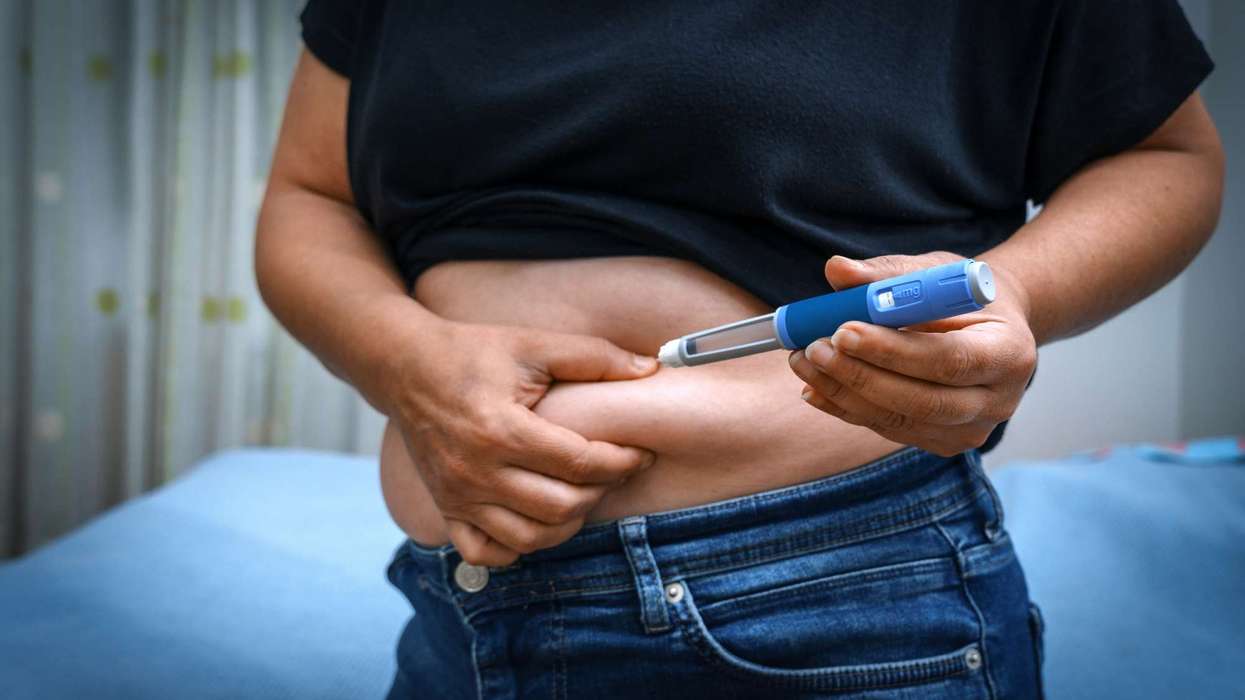







Walk into any community pharmacy on a weekday morning and the queue tells you something the workforce statistics have been shouting for years. A teenager wants help with stubborn acne. A new mother is worried about a flaring eczema patch on her infant's cheek. A retiree shows a painful, blistering rash on the chest that the family GP can't fit in for a fortnight. A young professional, fresh from a holiday, presents a mole that has changed shape since spring. Five years ago, every one of those patients would have been told to wait for a GP appointment, and from there, in many cases, to join a dermatology queue stretching out beyond half a year. Today, in a growing number of pharmacies, all five can be seen, assessed and — where appropriate — treated, the same morning.
This is not an incremental change. It is a structural rebalancing of where dermatology happens in the United Kingdom, and pharmacy is at its centre.
The pressure that pushed the door open
The case for pharmacy-led skin services rests, in large part, on the case against the status quo. Average wait times for an NHS dermatology appointment in London have more than doubled, from six weeks in 2014 to fourteen weeks in 2026, mirroring a trend visible across the country. None of London's seventeen NHS trusts currently meet the operational standard of seeing 92% of patients within eighteen weeks of referral. National figures are no kinder: routine dermatology referrals routinely exceed twelve weeks, with some regions reporting six months or more for non-urgent appointments, and the British Association of Dermatologists has explicitly warned that demand is now outstripping the capacity of the workforce to deliver care.
Behind those numbers sits a structural shortage that no short-term funding will fix quickly. Consultant dermatologist numbers have grown by less than 2% a year for over a decade, while population ageing, growing public awareness of skin cancer and rising referral rates have pushed demand up by 30–40% over the same period. The result is a system where, in the words of one NHS trust spokesperson, "ongoing challenges in recruiting specialist clinical staff" sit alongside relentlessly rising GP referrals.
Patients have not waited politely for the system to catch up. They have voted with their feet — into private clinics, into pharmacy consultation rooms, and onto digital platforms. What was once a niche service offering on the high street has become an essential safety valve for a system that needs one.
Pharmacy First: the foundation, not the ceiling
In England, Pharmacy First, launched in January 2024, is the clearest piece of policy infrastructure behind this shift. Of its seven clinical pathways, three are explicitly dermatological: impetigo, infected insect bites and shingles. By February 2025, the service had delivered around 5.4 million consultations in its first thirteen months, with the seven clinical pathways accounting for over 2.4 million of those. By January 2026, the figure had passed 6.2 million, with consistent month-on-month growth of more than 25%. Public satisfaction has held high, and an overwhelming majority of community pharmacies — 98% — have signed up.
For skin conditions specifically, the impact has been twofold. First, it has formalised what was already informal practice: pharmacists assessing, advising on and, where appropriate, supplying treatment for common skin presentations under Patient Group Directions. Second, and more importantly, it has trained the public to think of the pharmacy as a clinical destination rather than a dispensing endpoint. Once a patient has been seen for a shingles rash and walked out with antivirals in hand, they are far more likely to return for help with the next skin concern — psoriasis, suspected rosacea, a mole that is changing — even when those conditions sit outside the Pharmacy First pathway.
That overflow is where the independent prescriber comes in.
What the independent prescriber adds
For a pharmacist independent prescriber (IP) with a dermatology focus, Pharmacy First is the floor, not the ceiling. The conditions that walk through the door are far more varied than the seven pathways suggest, and the prescribing scope of an IP is broad enough to cover most of them.
Acne is perhaps the most common consultation outside the formal pathways. Topical retinoids, benzoyl peroxide, topical antibiotics and combination products are well within the prescribing pharmacist's remit, and for moderate cases an IP can also initiate oral antibiotics such as lymecycline or doxycycline. The clinical value is not only the prescription — it is the structured follow-up, the photographic monitoring, the conversation about skincare regimens and the early identification of patients who genuinely need a consultant for isotretinoin.
Eczema is another natural fit. Stepwise emollient therapy, topical corticosteroids of appropriate potency, and topical calcineurin inhibitors for sensitive sites can all be initiated and reviewed by a prescribing pharmacist working to NICE and BAD guidance. The IP brings something the rushed GP appointment often cannot: time to demonstrate fingertip units, to talk through bathing routines, to explain why intermittent maintenance therapy reduces flares.
Rosacea, psoriasis and chronic urticaria all sit in similar territory — chronic, distressing, often under-treated, and well within a confident prescriber's scope at the mild-to-moderate end. Topical metronidazole, ivermectin, azelaic acid and brimonidine for rosacea; vitamin D analogues, coal tar preparations and topical steroids for plaque psoriasis; non-sedating antihistamines and short courses of oral steroids in selected urticaria cases — these are not exotic interventions. They are bread-and-butter dermatology that pharmacies can deliver competently and consistently.
Fungal infections, dry skin, herpes zoster, impetigo, cellulitis and reactions to bites and stings form a cluster of acute, recognisable, time-sensitive conditions where the value of same-day access is highest. A patient with early cellulitis seen and started on flucloxacillin in the pharmacy at 9 a.m. on a Saturday is a patient who does not become an emergency department admission by Sunday lunchtime. A patient with a dermatomal vesicular rash assessed within 72 hours is a patient whose risk of post-herpetic neuralgia falls measurably. The pharmacist IP is well placed to be that first clinician.
On-demand consultations and the digital layer
The other transformation is digital. On-demand booking, virtual triage and asynchronous photo consultations are no longer fringe additions to pharmacy services; they are increasingly the default front door. Skin presents particularly well to teledermatology because it is, by definition, visual — and patients are accustomed to photographing concerns long before they reach a clinician.
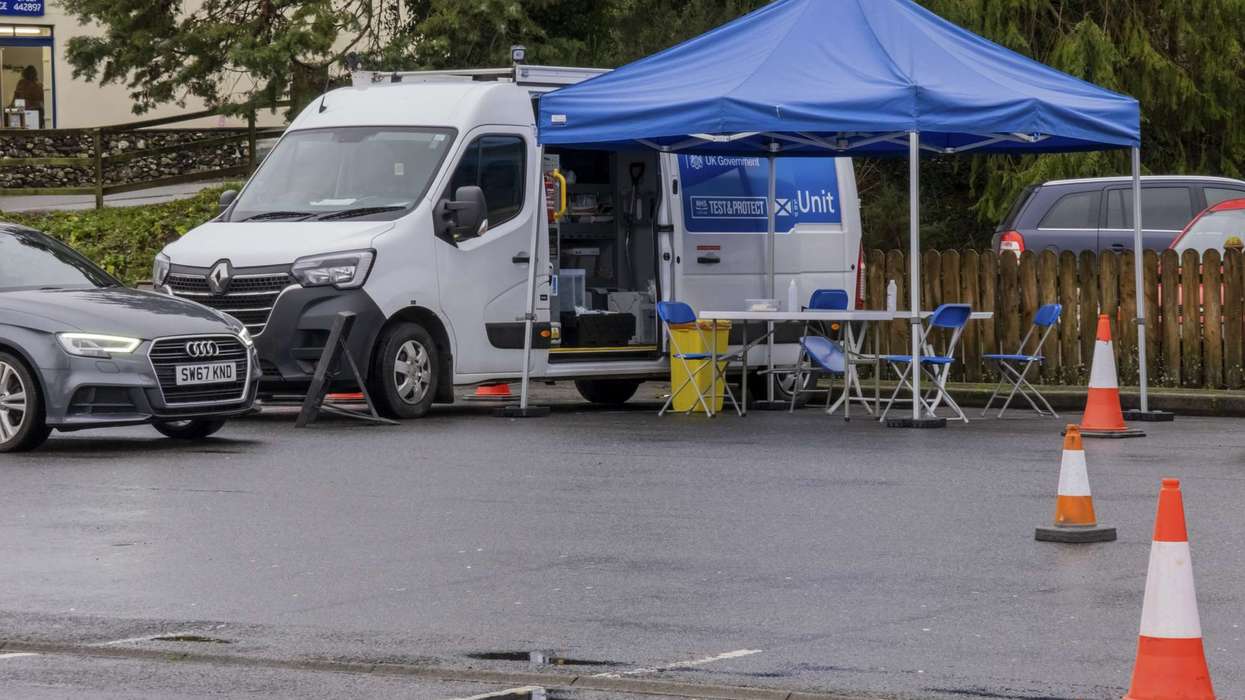
Scotland has gone furthest, with a national digital dermatology service that NHS estimates suggest could redirect up to 130,000 referrals and reduce dermatology waiting list demand by as much as 50%. Pharmacies that integrate with these pathways — receiving triaged patients, providing in-person follow-up, supplying medication — are not competing with NHS dermatology but extending its reach.
Mole checks and skin scanning sit one tier up. Whole-body imaging, dermoscopic photography and AI-supported lesion analysis are technologies that are now affordable enough to deploy in community settings. A pharmacy-based skin scanning service does not, and should not, replace specialist dermatoscopic assessment for suspected melanoma. What it does do is identify lesions warranting urgent two-week-wait referral, reassure the worried well, and create a baseline image library for monitoring change over time. For a public increasingly anxious about skin cancer — and rightly so, given it remains the UK's most common malignancy — that service has real clinical and reassurance value.
The aesthetic frontier — and a regulatory reset
The fastest-growing area, and the one most often misunderstood, is regenerative and cosmetic dermatology. Polynucleotides — biocompatible polymers extracted from fish DNA — have moved from niche treatment to mainstream offer in two years, with industry observers naming them and platelet-rich plasma (PRP) among the most popular procedures of 2026. Chemical peels, microneedling and medical-grade skincare regimens sit alongside them. For pharmacists building beyond NHS-funded work, this is a legitimate and expanding market.
It is also a market that has just been put through a regulatory reset that pharmacy-prescribers must understand. As of 2025, the General Pharmaceutical Council, the General Medical Council and the Nursing and Midwifery Council collectively prohibit the issuing of any prescription for aesthetic injectables without a face-to-face consultation and physical examination by the prescriber. Remote prescribing for cosmetic purposes — including botulinum toxin, dermal fillers and weight-loss injectables — is no longer permissible under any circumstances, even for repeat patients. The Nursing and Midwifery Council formally implemented the requirement for its prescribers on 1 June 2025.
For the prescribing pharmacist, the implications are clear. The era of remote signature-for-fee aesthetic prescribing is over. What replaces it is a model in which the prescriber is present, accountable, clinically engaged and trained — and that, in turn, raises the bar for what pharmacy aesthetics services look like. Done well, this is an opportunity. Done poorly, it is a regulatory and reputational risk.
The training imperative
None of this works without training that goes well beyond the IP qualification itself. A prescriber who has not been formally trained in dermatology can prescribe a topical steroid — but should they prescribe it for the rash on this patient's face, in this distribution, with this history? A pharmacist offering chemical peels needs to understand Fitzpatrick skin typing, post-inflammatory hyperpigmentation risk and emergency management. A practitioner offering polynucleotides or PRP needs credentialing that the Joint Council for Cosmetic Practitioners and equivalent bodies are now actively building.
CPD pathways in dermatology, minor illness, skincare and aesthetic medicine are no longer optional extras. They are the professional infrastructure on which credible pharmacy-led skin services rest. Education providers that can demonstrate clinical depth, assessment rigour and alignment with regulator expectations will be the ones supplying the workforce that delivers this next decade of care.
Looking ahead
The structural picture is unlikely to reverse. NHS dermatology will remain under pressure. Patient demand will continue to rise. Digital and AI-supported tools will continue to mature. Aesthetic regulation will continue to tighten. Pharmacy First will, in time, almost certainly expand to include further skin conditions, and the independent prescriber role will continue to broaden.
For the patient, this should mean something simple: faster access, closer to home, with a clinician who can examine the skin, explain what is happening to it, and — where needed — prescribe the treatment that resolves it. For the pharmacy profession, it means a generational opportunity to take a clinical specialism that the public urgently needs and embed it permanently in the high street.
The skin, after all, is the largest organ we have. It is high time the front line of care for it sat where the public can actually reach it.
Faheem Ahmed is a tutor at MEDLRN