





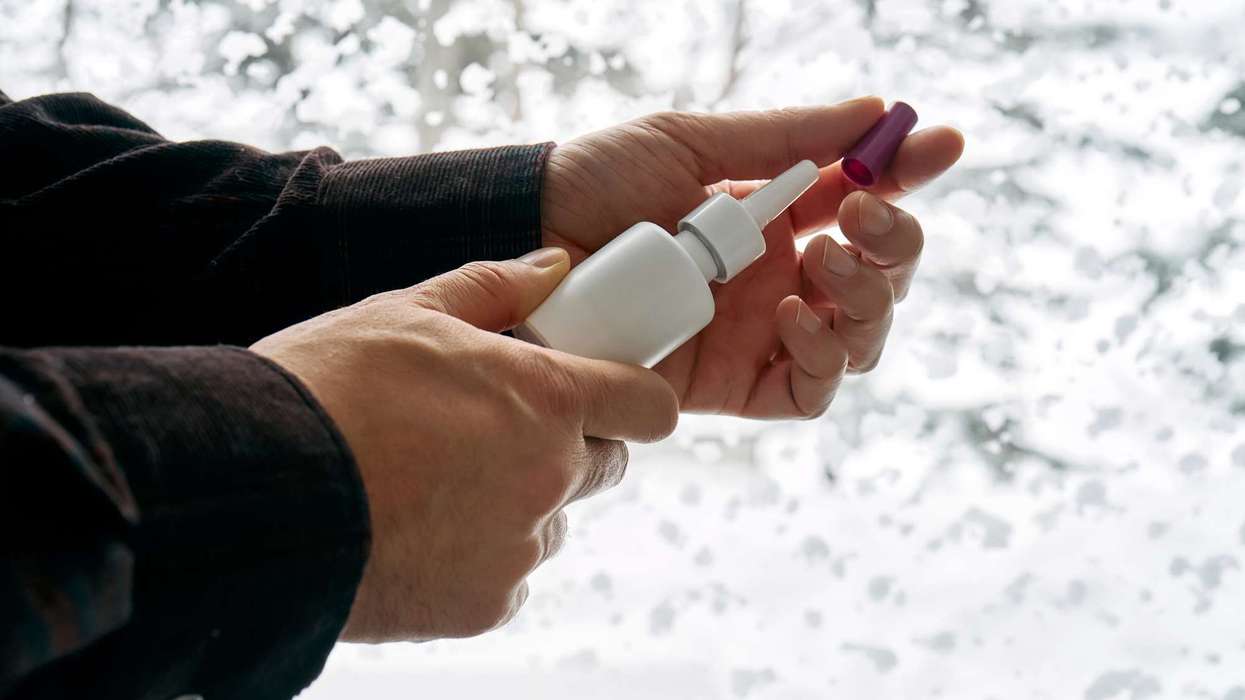

The Medicines and Healthcare products Regulatory Agency (MHRA) has launched a consultation on proposals to allow schools to keep spare adrenaline nasal sprays for children with anaphylaxis, a severe allergy.
The nationwide consultation, being conducted jointly with the Department of Health in Northern Ireland, and closes on 14 December 2026.
Around 8% of children and young people in the UK have a food allergy, while some are at risk of anaphylaxis, a severe and potentially life-threatening allergic reaction that requires immediate treatment with adrenaline.
Schools are already permitted to hold spare adrenaline auto-injectors for emergencies.
As one out of five serious allergic reactions to food happen in a school setting, the consultation is seeking views on allowing schools to hold adrenaline nasal sprays in the same way.
Schools can choose whether to hold adrenaline auto-injectors, adrenaline nasal sprays, or both.
The proposal would not require schools to stock a particular product or brand and would not replace the expectation that children carry their own prescribed adrenaline medicine.
The supplies held at the school would act as a backup in an emergency.
The emergency adrenaline can only be given to children known to be at risk of anaphylaxis and by appropriately trained school staff.
Health Minister James Frith MP said: “Parents of children with serious allergies should be able to send them to school knowing the right help is there in an emergency.
“Giving schools another way to respond quickly to a severe allergic reaction could be life-saving, and I’d encourage families, schools and others to have their say in shaping these proposals.”
MHRA Executive Director, Operations, Julian Beach said: “Ensuring children and young people with allergies have access to medicines in an emergency situation is vital.
“Adrenaline nasal sprays would provide an additional treatment option for children at risk of anaphylaxis – a serious and life-threatening condition.
“Through this consultation we want to understand if schools should be able to buy and hold these products alongside or in place of the adrenaline auto-injectors they can already stock."