





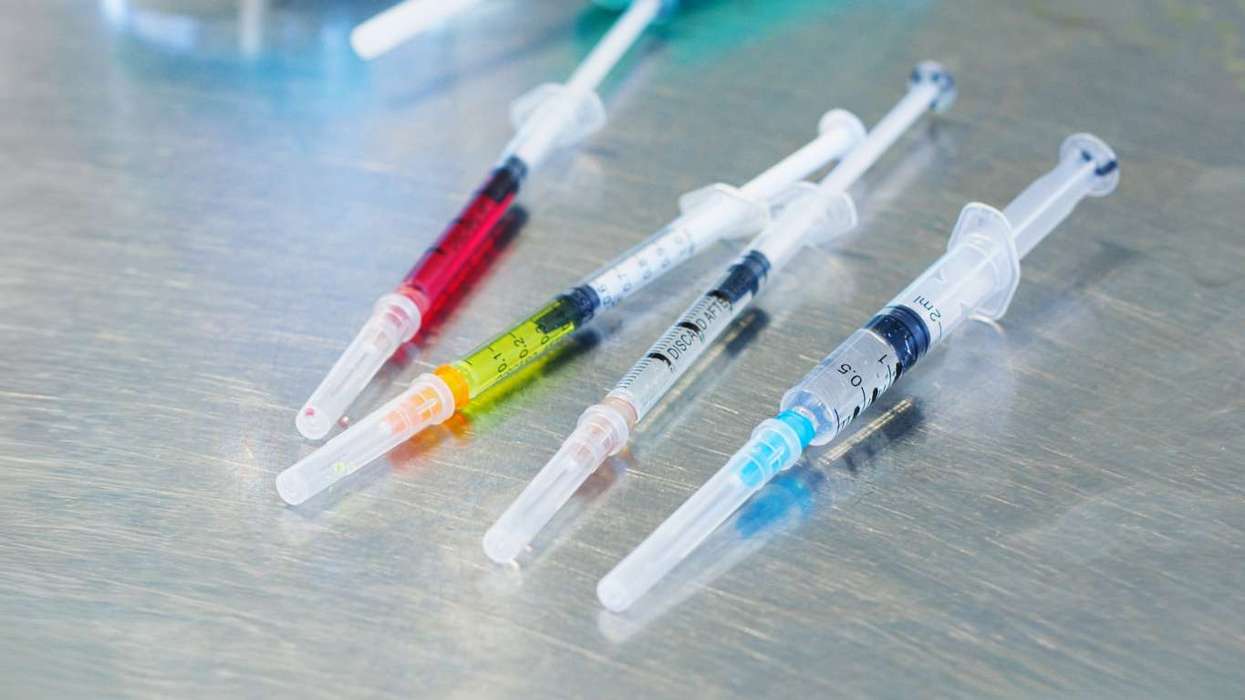

Prefilled syringes have become increasingly important in modern drug delivery, offering convenience, accuracy, and reduced preparation time compared with traditional vial-and-syringe systems. However, the performance of a prefilled syringe involves more than simply delivering the correct dose. The amount of force required to initiate and maintain plunger movement can have a significant impact on the overall injection experience.
Two important performance characteristics are break-loose force and glide force. Understanding these properties is essential for manufacturers developing prefilled drug delivery systems, particularly as more injections are administered by patients themselves in home-care settings.
What Is Break-Loose Force?
Break-loose force is the initial force required to overcome the static friction between the syringe barrel and the plunger stopper and begin plunger movement.
When a prefilled syringe has been stored for a period of time, the stopper can adhere slightly to the internal surface of the barrel. As a result, the first movement of the plunger may require more force than the continued movement that follows.
A high break-loose force can make an injection feel difficult to start. For patients with limited hand strength, dexterity, or experience with self-injection, this initial resistance may create uncertainty or discomfort.
What Is Glide Force?
Glide force refers to the force required to keep the plunger moving once the initial resistance has been overcome. Unlike break-loose force, which relates specifically to the start of movement, glide force reflects the resistance encountered throughout the injection.
Ideally, glide force should remain relatively consistent and smooth. Significant fluctuations can make the injection feel uneven, potentially requiring the user to repeatedly adjust the pressure applied to the plunger.
For healthcare providers and patients, consistent movement can contribute to a more predictable and controlled injection experience.
Why Do Break-Loose and Glide Force Matter for Patient Comfort?
Patient comfort is influenced by several factors, including needle size, injection speed, formulation characteristics, and the design of the delivery device. The mechanical performance of the syringe can also play an important role.
If excessive force is required to operate a syringe, patients may experience difficulty maintaining controlled plunger movement. This can be particularly relevant for people who regularly administer medication themselves.
A smoother force profile may help users operate the device with greater confidence. Consistent plunger movement can also support more controlled administration, which may contribute to a better overall user experience.
As self-administration becomes more common, manufacturers need to consider not only whether a syringe can deliver a drug effectively, but also how easy and intuitive it is for the intended user to operate.
What Factors Affect Break-Loose and Glide Force?
Several elements can influence the force required to move a plunger in a prefilled syringe.
Plunger Stopper Material
The material used for the stopper can have a significant effect on friction and interaction with the syringe barrel. Different elastomer formulations and surface treatments can produce different force characteristics.
Compatibility between the stopper and drug formulation is also important. Changes in the stopper's physical properties over time can potentially affect syringe performance.
Lubrication
Lubrication is another important consideration. Silicone oil has traditionally been used to reduce friction between the stopper and barrel, although the amount, distribution, and type of lubricant can influence performance.
Manufacturers must balance friction reduction with other considerations, including potential interactions between the lubricant, drug product, and packaging components.
Syringe Barrel
The internal characteristics of the syringe barrel can also affect plunger movement. Dimensional consistency, surface properties, and manufacturing tolerances may all contribute to variations in break-loose and glide force.
Storage Conditions
Temperature and storage duration can influence the interaction between the stopper and barrel. Long-term storage may alter the force required to initiate movement, making appropriate stability and performance testing important during product development.
Drug Formulation
The formulation itself can also affect the performance of a prefilled system. Viscosity, concentration, and other formulation properties can influence the force required during injection.
As biologic drugs and other complex formulations become more prevalent, these considerations are increasingly important when designing and evaluating prefilled delivery systems.
Testing Break-Loose and Glide Force
Break-loose and glide force are typically evaluated using controlled mechanical testing. A testing system can apply force to the syringe plunger at a defined speed while measuring the resistance encountered during movement.
The resulting force profile can provide information about:
- The peak force required to initiate movement
- The force required during continued plunger travel
- Variations in force throughout the injection
- Differences between syringe designs or component combinations
- Changes in performance following storage or aging
Testing can therefore help manufacturers identify potential issues before a product reaches patients.
Importantly, testing should reflect the intended use of the syringe. Factors such as injection speed, temperature, storage conditions, and device configuration can influence results and should be considered when establishing appropriate testing conditions.
Designing Prefilled Syringes Around the User
The development of prefilled syringes increasingly involves a human-centred approach. Mechanical performance is not simply a technical specification; it can influence how easily patients can use a product.
For example, a syringe intended for self-administration may need to accommodate users with varying levels of hand strength and dexterity. A consistent and manageable force profile can make the device easier to operate.
This is particularly relevant for treatments that require frequent injections. Even relatively small usability challenges can become more noticeable when a patient repeats the same injection process regularly.
The Importance of Component Compatibility
A prefilled syringe is a complete system rather than a collection of independent components. The barrel, plunger stopper, lubricant, drug formulation, and other components interact with one another.
As a result, selecting individual components based solely on their standalone performance may not provide a complete picture of how the finished system will behave.
Testing components together under representative conditions can help manufacturers understand how the complete system performs over its intended shelf life.
For companies developing products that prefill syringes for pharmaceutical applications, evaluating break-loose and glide force can therefore form an important part of packaging and delivery-system development.
Supporting Reliable and Comfortable Drug Delivery
Break-loose and glide force are important indicators of how a prefilled syringe will perform during injection. Excessive initial resistance can make it difficult to start an injection, while inconsistent or high glide force can make continued plunger movement challenging.
By carefully selecting syringe components, evaluating material compatibility, considering lubrication and storage conditions, and conducting appropriate mechanical testing, manufacturers can work toward more consistent syringe performance.
Ultimately, the goal is not simply to produce a syringe that functions mechanically. It is to develop a drug delivery system that provides reliable performance while supporting a controlled, predictable, and comfortable experience for the patient.
This article is paid content. It has been reviewed and edited by the Pharmacy Biz editorial team to meet our content standards.