






Community pharmacy is undergoing one of the most significant changes in its history. The question is no longer whether pharmacists have a greater role to play in clinical care. It is how quickly we can make the most of that expertise for the benefit of patients and the wider NHS.
The launches of Pharmacy First in England in 2024, following Scotland’s introduction in 2020, were important milestones. For me, its significance goes beyond the services themselves. It demonstrated then and continues to do so, what is possible when we put clinical expertise where patients are, in the heart of their local communities.
For too long, community pharmacy has been viewed primarily as the place where people collect their medicines. That description no longer reflects the reality of modern community pharmacy practice.
Pharmacists are responding to symptoms, treating patients, supporting prevention, optimising medicines and helping people manage long-term conditions. They are increasingly part of the clinical decision-making process, rather than simply delivering the outcome of a decision made elsewhere. As a health system and as a profession, we need to accept and build on that distinction.
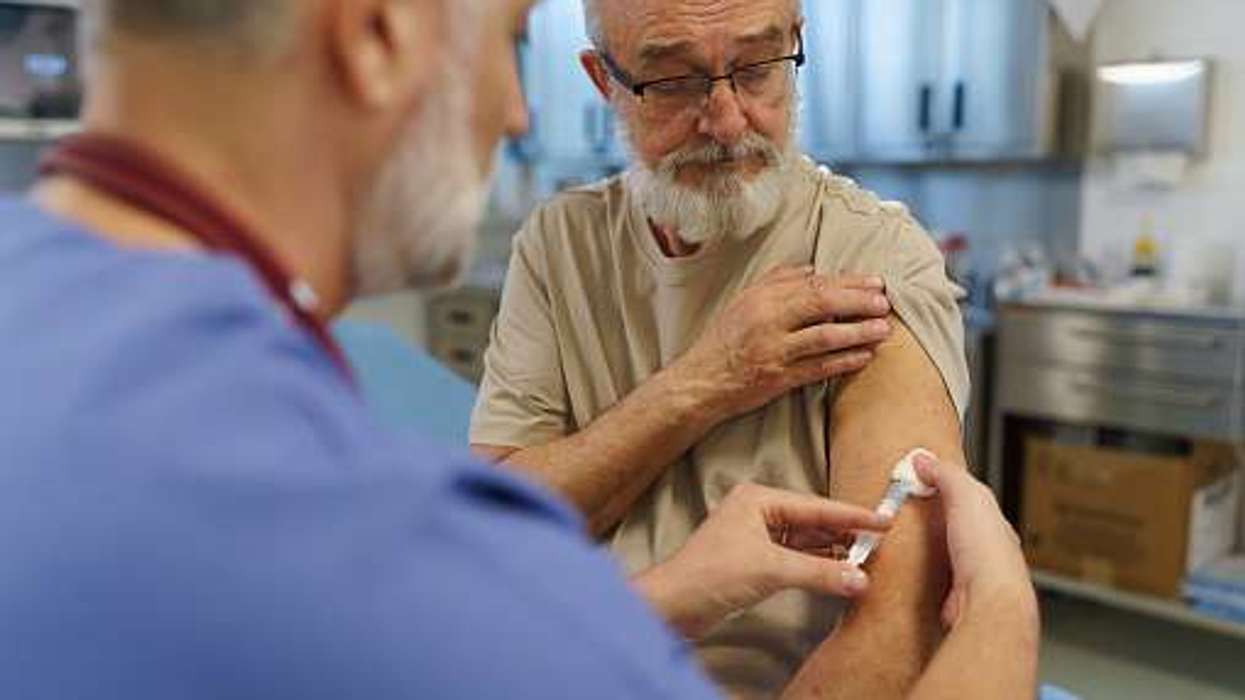
Pharmacy First has helped to accelerate that change. Patients can walk into their local pharmacy and receive clinical advice, treatment and, where appropriate, prescription medicines in all four countries of the UK, without first having to see their GP.
The scale of delivery has been significant, with almost universal pharmacy participation and millions of consultations delivered. In England that is restricted to seven clinical pathways that when augmented later this year with prescribing pathways will only see that number grow.
Of course, that helps to take pressure away from already stretched GP and Out of Hours services. But I think we should look beyond the numbers. What Pharmacy First has really shown is that patients are willing to use their local pharmacy for clinical care – and that pharmacists have both the expertise and the accessibility to deliver it.
Pharmacy First is only one part of the opportunity.
Community pharmacy is already playing a much greater role in prevention and early intervention. Hypertension is a good example. Pharmacy consultations, in England, have identified more than 2.5 million previously undiagnosed cases, creating a significant opportunity to intervene before hypertension contributes to more serious cardiovascular disease.
That said, identifying a condition is only the beginning.
The real opportunity is to connect detection with treatment, medicines optimisation, lifestyle support and ongoing monitoring. That is where community pharmacy can make an even greater contribution.
At a time when the NHS is under enormous financial and operational pressure, we need to be looking carefully at where we can deliver better outcomes while reducing avoidable demand. Community pharmacy has a clear role to play in that.
We can see the same potential in other areas. More than 250,000 contraception consultations have been delivered through community pharmacy, while smoking cessation services have generated an estimated £85 million annual saving for the NHS in England and contributed to an 11% increase in one-year quit rates. The proportional levels of outcome and delivery is similarly reflected across Northern Ireland, Scotland and Wales.
These should not be seen as a collection of individual services. They are evidence of the clinical capability that already exists within community pharmacy.
The next step is to join those services together.
If a pharmacist identifies hypertension, the patient should be able to move seamlessly into treatment and ongoing management. If someone accesses contraception through their local pharmacy, there should be an opportunity for continuing support. If a patient starts a smoking cessation programme, their pharmacy should be able to support them throughout that journey.
That is when we start to see the real potential of community pharmacy, not simply as a provider of individual services, but as an integral part of the patient's healthcare pathway.
There is another important benefit. Community pharmacies are accessible, familiar and embedded in the communities they serve. They often reach people who may not regularly engage with traditional healthcare services.
That makes pharmacy particularly important when we consider health inequalities and the need to provide care closer to home.
The transformation in community pharmacy is also being supported by changes to the profession itself.
From this month, newly qualified pharmacists register as independent prescribers. This is a significant step forward and reflects the direction in which the profession is already moving, towards pharmacists taking greater clinical responsibility for their patients.
We should embrace that.
The NHS has already benefited from community pharmacy interventions helping to free up around 10 million GP appointments. But I believe we need to think beyond appointment numbers and individual consultations.
The real measure of success should be the outcomes we achieve for patients.
At Numark, we see this opportunity every day across over 6,300 of our community pharmacy members. Our role is to help independent pharmacies remain independent while giving them the support, expertise, technology, training and commercial strength they need to operate effectively in an increasingly clinical healthcare environment.
That balance matters.
The future of community pharmacy is not about choosing between being a retail business and being a healthcare provider. The two have always existed alongside each other. What is changing is the growing importance of the clinical role within the pharmacy business.
We need to recognise that reality and give community pharmacy the opportunity to fulfil its potential.
Community pharmacy is an essential part of the UK's neighbourhood healthcare infrastructure. It is accessible, trusted and staffed by highly skilled healthcare professionals.
The direction of travel is clear: more prevention, more responding to symptoms, more prescribing, better medicines optimisation and greater support for people living with long-term conditions.
We should not underestimate what that means for the future of primary care.
The community pharmacist is no longer simply the professional who dispenses a medicine once a healthcare decision has been made. Increasingly, they are part of the decision, the treatment and the ongoing management of the patient.
Now we need to make sure the NHS and policymakers across the UK have the ambition to build on it.
Similarly, as I mentioned previously, the profession itself has to accept the subtle shift in practice from “accuracy of supply” to “safety of supply”.
The opportunity is there to move community pharmacy from dispensing, whilst still retaining medicines supply, to integrated clinical care, and, most importantly, to put the pharmacist and their team at the heart of delivering better health outcomes in our communities.