






While in many places there is a disconnect between the different arms of primary care, Greater Manchester has emerged as a leading example of how devolution, partnership working and locally driven healthcare can reshape primary care and make services more accessible to communities.
Previously led by Andy Burnham, and now by the Mayor of Greater Manchester Bev Craig, the heart of the model in the Greater Manchester Combined Authority (GMCA) is the belief that decisions about healthcare and public services should be made as close as possible to the people who use them.
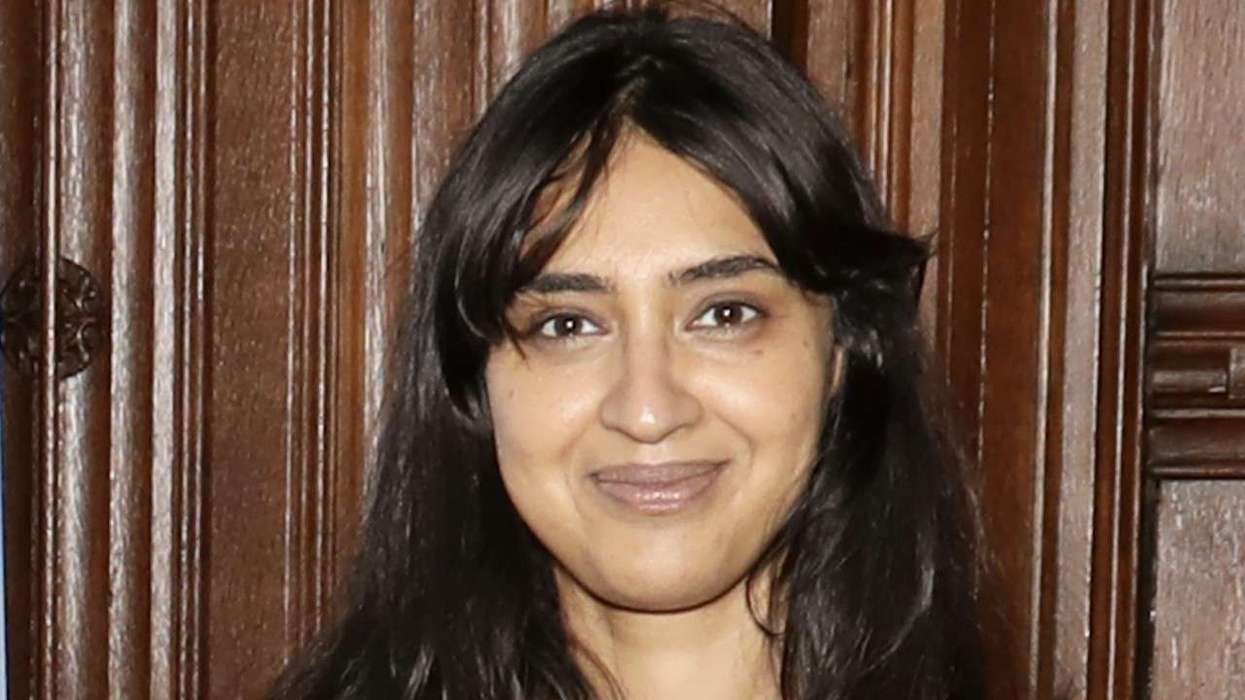
Luvjit Kandula, chair of the Greater Manchester Community Pharmacy Provider Board and Director of Strategy and Pharmacy Transformation at Community Pharmacy Manchester, says the region's approach has been strongly influenced by Andy Burnham, the former Mayor and new Prime Minister, whose political agenda has consistently emphasised devolution, public service reform, prevention and local empowerment.
Speaking of Burnham’s approach, she told Pharmacy Business: “He has had a really clear focus on health and well-being, with a very clear focus on devolution, transport, public service reform,” Kandula said.
“What he's trying to achieve is partnership working and local empowerment, community empowerment.”
She adds that Burnham's approach reflects a belief that local communities are best placed to understand the needs of their populations and that excessive centralisation can distance decision-makers from local health challenges.
Devolution beyond healthcare
Greater Manchester's devolution agenda extends well beyond the NHS. Under Burnham's leadership, the region introduced the Bee Network, an integrated transport system, while also pursuing initiatives aimed at reducing homelessness, increasing investment in affordable housing and creating public services that are fairer, more connected and more responsive to local needs.
Healthcare, however, remains a central part of the model.
One of the region's flagship initiatives is GM Live Well, an integrated approach to health and social care designed to bring support into local communities. The model is based on creating neighbourhood spaces and Living Well centres where residents can access help for a broad range of needs rather than having to navigate multiple disconnected services.
For Kandula, community pharmacies are a natural part of this approach.
“Live Well is really about creating neighbourhood spaces and Living Well centres that local residents can access for all their problems,” she said.
Community pharmacies, she added, are among the most accessible healthcare settings because people can walk in without an appointment and speak directly to a healthcare professional.
Citing Community Pharmacy England data, Kandula said around 1.6 million people walk through the doors of community pharmacies across Greater Manchester every day. While many seek advice about over-the-counter medicines, minor illnesses or pharmacy services, she said pharmacies frequently become a wider point of support for people facing social as well as health-related problems.
In her own pharmacy, for example, people have sought advice about passports, debt and mental health. Others simply come in because they “need a place to go.”
This accessibility gives community pharmacies a potentially important role in the region's broader prevention and community-support agenda.
One benefit of Greater Manchester's primary care landscape is the distribution of community pharmacies and their easy accessibility.
A concentration of pharmacies in areas of deprivation makes community pharmacies an important testing ground for what the Live Well model can look like in practice.
“If you really want to see what Live Well looks like on the ground, you need to come to a community pharmacy and meet a community pharmacist that's actually based in the heart of the community and is a community champion that's not just doing services,” she said.
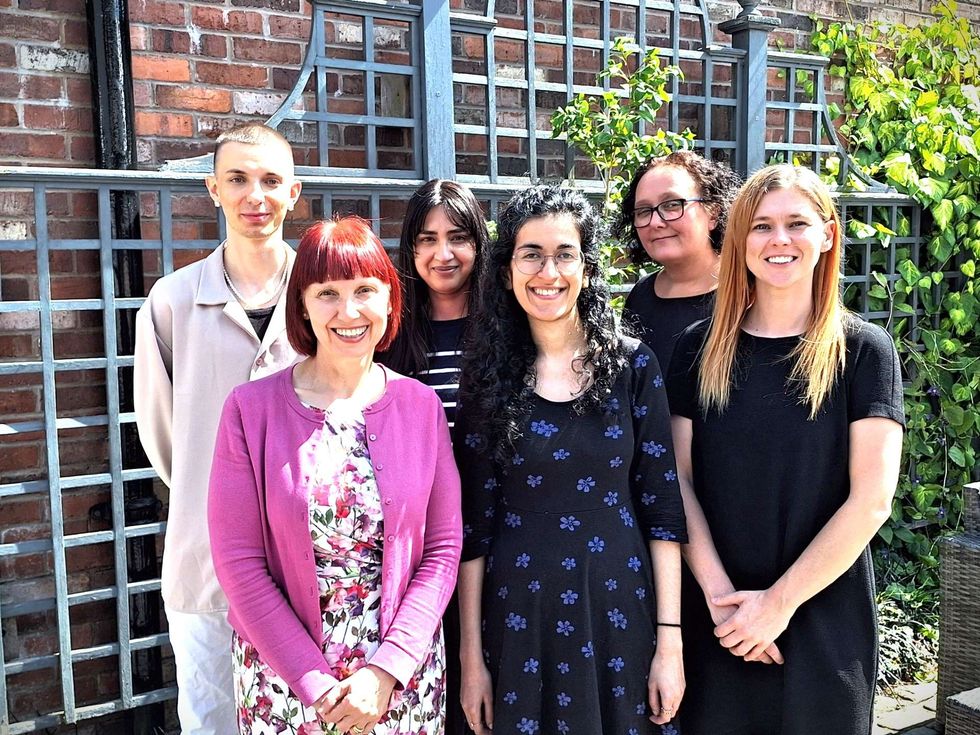 Community Pharmacy Greater Manchester team. Photo provided by Luvjit Kandula
A unified voice for primary care
Greater Manchester has also sought to strengthen the collective voice of primary care by bringing its four main disciplines – general practice, community pharmacy, optometry and dentistry – together through a primary care provider collaborative, The Greater Manchester Primary Care Provider Board.
The collaborative represents more than 1,300 providers and more than 22,000 staff.
Kandula said the initiative was driven by the recognition that primary care could not effectively influence system-wide decision-making if its different sectors operated in isolation.
“We realised that by not having a unified voice, not having a strengthened position, we can't influence the system to think about primary care and engage us,” she said.
The collaborative's role extends beyond simply representing the interests of individual professions. It aims to influence strategy and policy, contribute to governance arrangements, shape financial flows and ensure that primary care has a voice in decisions affecting local health systems.
This is particularly important in Greater Manchester, which comprises 10 boroughs, each with its own population characteristics and health needs.
Kandula said representation at the local level is essential as the healthcare system increasingly focuses on moving care closer to people's homes and communities.
The four primary care disciplines have therefore combined their leadership so that they can participate collectively in system meetings and engagement activities. This partnership has evolved through years of trust‑building, growing insight into each other’s sectors, and a consistent willingness to champion one another’s goals.
The collaborative has also prepared papers for the Greater Manchester Integrated Care Partnership board chaired by Burnham, setting out the role of primary care, its achievements and the opportunities for shifting care away from hospitals and toward prevention and community-based services.
The objective is not simply to secure a stronger voice for primary care, but to demonstrate how the sector can help deliver the region's wider ambitions.
Minor ailments scheme
Greater Manchester has also adapted national initiatives to meet local circumstances.
The region's community pharmacy sector developed a GM minor ailments scheme commissioned by the GM ICB to complement Pharmacy First.
The initiative was prompted by a practical problem. Patients were being directed to community pharmacies for minor conditions, but many people living in deprived areas could not afford to purchase recommended over-the-counter medicines.
As a result, some patients were returning to general practice because they could not pay for their medicines – undermining the objective of shifting appropriate care away from GPs.
Kandula said the community pharmacy sector worked with the Integrated Care Boards to develop exemptions that allowed eligible patients to obtain certain over-the-counter medicines without having to pay.
The scheme has helped remove a financial barrier to pharmacy-based care while supporting the wider objective of reducing unnecessary pressure on general practice.
Beyond individual services
The Greater Manchester primary care collaborative has developed a range of initiatives spanning all four disciplines.
These include end-of-life and palliative care schemes, delivery of Covid medicines and programmes focused on Pharmacy Excellence and service improvement.
Kandula stresses that the collaborative is not simply a forum for discussion.
“It is not a talking shop,” she said, emphasizing that it has a leadership and improvement function.
The work includes programmes supporting practice managers with Care Quality Commission improvement, glaucoma training within optometry, Pharmacy First and minor illness training for community pharmacists, and initiatives focused on record keeping, consultation skills and digital access.
The objective is to improve the quality and outcomes of services while building the capabilities of primary care professionals.
Optometry teams are delivering glaucoma and urgent eye care services, while dentistry has developed a dental access quality scheme that Kandula describes as a trailblazer nationally.
General practice, meanwhile, has been developing proactive care programmes, including work on circulatory health and the identification and stratification of high-risk patients with the aim of reducing avoidable hospital admissions.
The origins of devolution model
Greater Manchester's current system did not emerge overnight.
Kandula traces its origins partly to growing frustration in the region with decision-making in Westminster. Devolution provided an opportunity to bring local leaders and healthcare organisations together at system level and give them greater influence over local priorities.
That culture of partnership has since expanded beyond traditional NHS structures.
Kandula cited the example of Claire Fuller, who visited Greater Manchester to meet Integrated Care Board leaders. Rather than limiting discussions to ICB leadership, the engagement extended to mental health leaders, NHS trust leaders, public health representatives and members of the voluntary, community, faith and social enterprise sector.
For Kandula, this reflects an important evolution in the concept of neighbourhood care.
Community pharmacies have traditionally focused heavily on their relationship with general practice and on delivering commissioned pharmacy services. But the emerging neighbourhood model requires a much broader approach.
“If you're really going to support a patient holistically and we want to be commissioned in neighbourhoods, we'll have to do much more than just provide Pharmacy First,” she said.
The implication is that primary care providers will increasingly need to work with social care, voluntary organisations, public health and community groups if they are to address the wider factors affecting people's health.
Shared patient record
Digital integration is another critical component of Greater Manchester's model.
Work on the Greater Manchester Care Record (GMCR) rollout in community pharmacy began in 2021 with the aim of creating a comprehensive record bringing together information from different parts of the health and care system.
The record incorporates information from NHS trusts, general practice, social care and end-of-life care plans, allowing authorised healthcare professionals across different settings to access a more complete picture of a patient's history.
Kandula regarded access to such a record as particularly important for community pharmacy because of the growing role of pharmacists in clinical care and independent prescribing.
“I knew that independent prescribing was coming, and we should not be delivering it without access to the patient record,” she said. “Because you need to see the clinical history to provide high quality patient centred care.”
CPGM has worked with Health Innovation Manchester to support access and implementation of the GMCR in community pharmacy.
A major objective was to make access as simple as possible for community pharmacies. The Greater Manchester Care Record was technically deployed through PharmOutcomes, an online platform already used by community pharmacy teams across the region.
Rather than requiring pharmacy teams to log into a separate system, the integration allows them to access the Care Record through PharmOutcomes using a single sign-on.
Kandula said simplifying the process was essential.
The registration process was designed around three key requirements: technical access through an approved IP address, information governance and data protection requirements, and evidence of appropriate security and governance arrangements.
Because pharmacies already complete the national Data Security and Protection Toolkit, the aim was to use that existing compliance framework rather than create unnecessary additional administrative burdens.
The approach reflects a broader principle underpinning Greater Manchester's digital strategy: integration will only work if frontline professionals can access information without having to navigate multiple systems or undertake excessive bureaucracy.
Neighbourhood care
The evolution of the Greater Manchester model also raises questions about what primary care should look like in the future.
Kandula believes that the traditional boundaries between professions and services will become increasingly blurred as care moves closer to people's homes.
Community pharmacists, optometrists, dentists and GPs will need to work alongside social care, public health and community organizations rather than operating as separate parts of the system.
For community pharmacy, this could mean moving beyond traditional services to play a much broader role in prevention and early intervention.
The sector's accessibility, particularly in deprived communities, gives it a potentially significant role in identifying health risks before they develop into more serious problems.
Potential areas include healthy-living advice, screening, diagnostics, early identification of frailty, signposting to wider services and supporting people with long-term conditions.
Burnham’s priorities
Kandula believes Burnham's approach to devolution could eventually influence the wider direction of national public services.
She expects greater emphasis on devolving funding and decision-making to mayors and local systems, allowing them to identify the priorities of their populations and design services around those needs.
A major priority is likely to be social care reform.
Burnham has previously argued for closer integration between social care and the NHS, reflecting the reality that people's health and social needs cannot always be separated.
Kandula sees this as both an opportunity and a challenge for primary care.
Greater integration could allow healthcare, social care and public services to work together around the individual rather than operating as separate systems. However, she also worries that NHS primary care could be overshadowed if social care and wider public services become the dominant focus of reform.
For primary care, she believes the answer is to demonstrate how it can contribute to the prevention-focused model.
Community pharmacy is particularly well placed to do so because of its accessibility and presence in local communities.
Its potential contribution extends from signposting and healthy-living support to screening, diagnostics and early identification of frailty.
“The possibilities are endless for us because of that,” Kandula said.
Local empowerment
Greater Manchester's experience demonstrates that healthcare devolution is about more than transferring responsibility from central government to local institutions. Its broader ambition is to change how services are designed and delivered.
The region's model brings together healthcare professionals from different disciplines, local government, social care, public health and community organisations. It combines this partnership approach with digital integration, neighbourhood-based services and an emphasis on prevention.
Community pharmacies are central to the approach because they provide a rare combination of accessibility, clinical expertise and a permanent presence within communities – particularly disadvantaged communities.
The emerging model also suggests that the future of primary care may depend less on individual professions working within traditional boundaries and more on their ability to operate as a connected system.
For Greater Manchester, devolution has provided the framework. Integrated primary care, shared digital infrastructure and community-based services are helping turn that framework into practice.
The greatest enabler is building trust, partnerships and working together with system partners while leveraging the assets and strengths of all the partners to deliver improved access, quality of care and outcomes for our residents.
The ultimate test will be whether this approach can consistently deliver better health outcomes, reduce inequalities, prevent avoidable illness and reduce pressure on hospitals and general practice.
If it succeeds, Greater Manchester could offer a blueprint for a more locally empowered NHS – one in which decisions are made closer to communities, services are designed around people's wider needs and primary care becomes the foundation of a genuinely integrated health and care system.