






Key Summary
- Approximately 27,200 illegal hair loss medicines were seized in the UK.
- This is almost eight times the number seized in the previous year.
- Data was sourced for finasteride, minoxidil, and dutasteride.
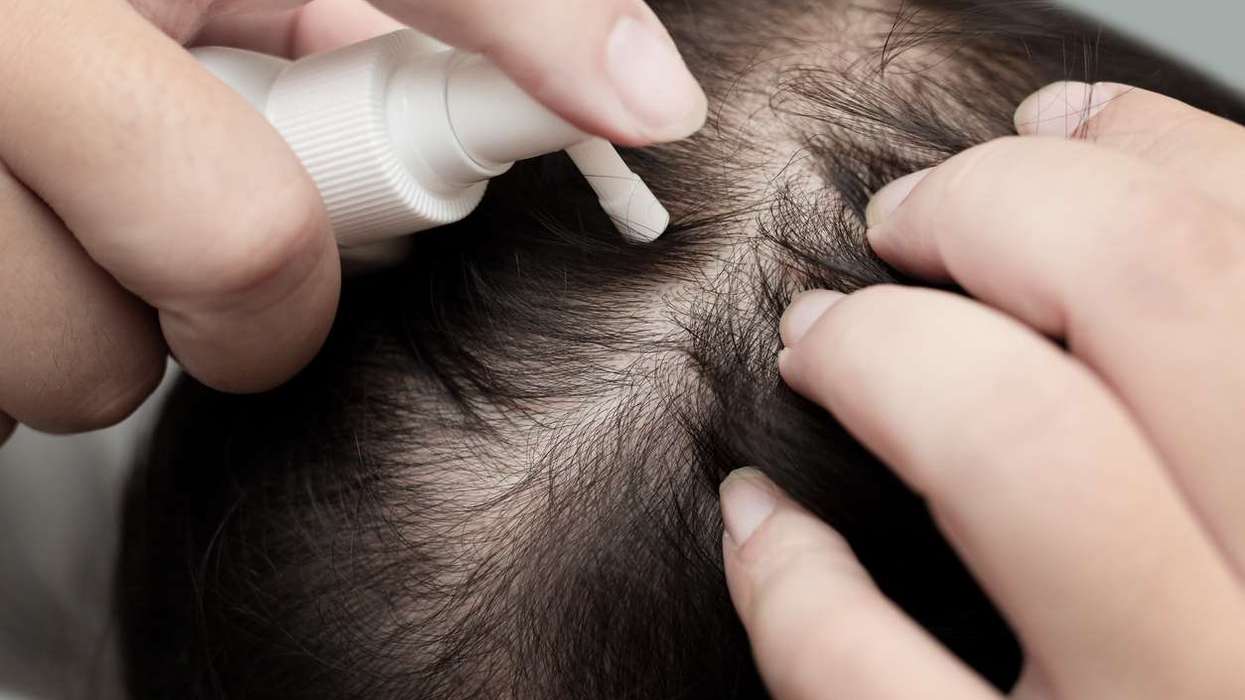
Almost eight times the number of illegal and fake hair loss medicines have been seized compared to the previous year, it has been revealed.
Approximately 27,200 illegal medications were seized in the UK by the Medicines and Healthcare products Regulatory Agency (MHRA) in 2025, according to figures were obtained by Elithair, a hair transplant practitioner, through a Freedom of Information request for finasteride, minoxidil, and dutasteride.
Finasteride accounted for the majority of seizures in 2025, with approximately 23,000 doses found, compared with just 1,700 the previous year.
The figures also revealed a shift in the type of medications captured. In 2021, approximately 21,000 intercepted products were minoxidil, while in 2025, finasteride accounted for around 85% of all seized hair-loss medicines.
Separate figures shared from the General Pharmaceutical Council (GPhC) showed that 15 reports were made to the regulator in 2025 about potential issues with the supply or prescription of hair-loss medicines, the highest annual figure in the five-year period.
This compares with 11 reports in both 2022 and 2023 and 12 in 2024. Across the five-year period from 2022 to 2026, 58 reports were made to the GPhC about hair loss medicines.
The findings come amid the growing popularity of ‘looksmaxxing’, a social media trend centred around improving physical appearance. What began largely as grooming and fitness content has increasingly expanded into discussions around hair loss, medication, peptides and other appearance-enhancing treatments.
With powerful medicines increasingly promoted through social media and online marketplaces, experts warn that men experiencing hair loss may be tempted to seek quick fixes without proper medical advice.