






Key Summary
- NHS England reports a spike in online hay fever inquiries as warm weather sweeps the UK.
- Pharmacists report higher demand for targeted treatments like eye drops and nasal sprays, but confirm stock levels remain steady.
- Experts urge the public to consult pharmacists to avoid accidental double-dosing or medication interactions.
An increase in inquiries about hay fever has been reported across the UK, according to the NHS.
NHS data shows there were 12,990 visits to the hay fever page on the nhs.uk website on four days (14-17 June), compared to 5,632 in the same period the week before, a rise of 131 per cent.
On Monday (15 June, 3,684 visits) and Sunday (14 June, 3,612 visits) were the second and third biggest days for NHS web visits this year.
Hot weather, coming at the same time as the World Cup, is likely to be drawing more people outdoors.
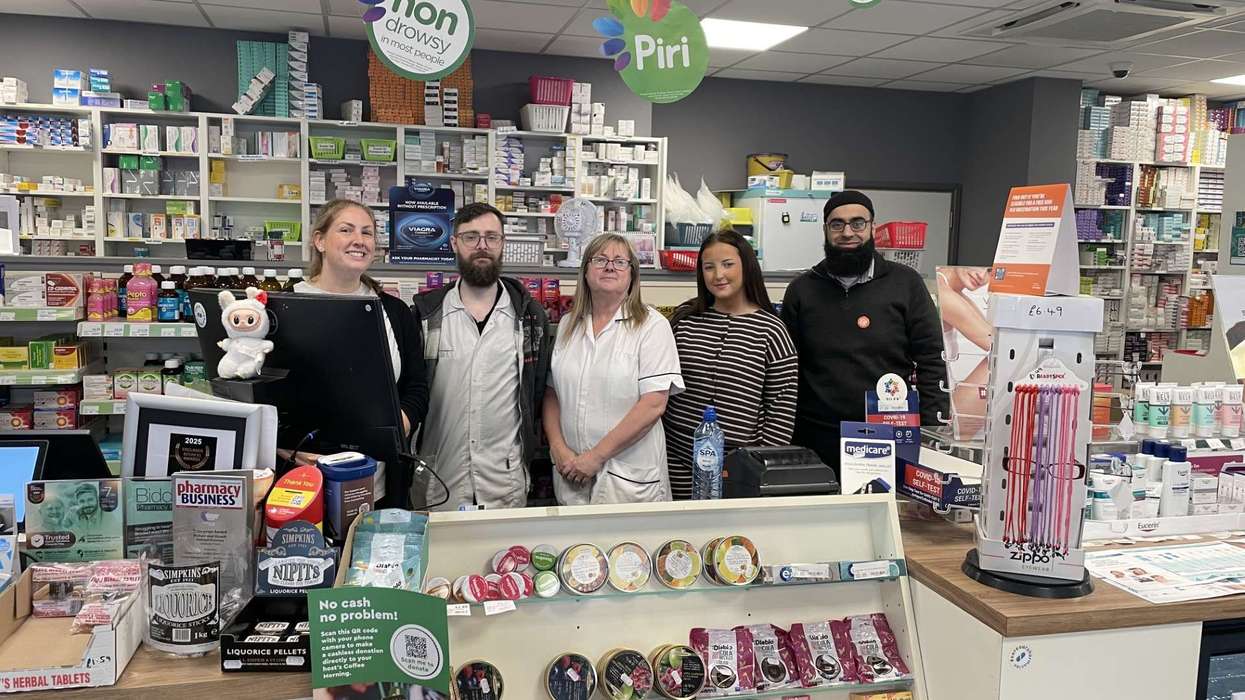
Speaking to Pharmacy Business, Yasser Abboud, a pharmacist manager at a Day Lewis Pharmacy in Reading, Berkshire, confirmed an increase in patients seeking treatment for hay fever.
According to Abboud, more patients are experiencing multiple or more persistent symptoms.
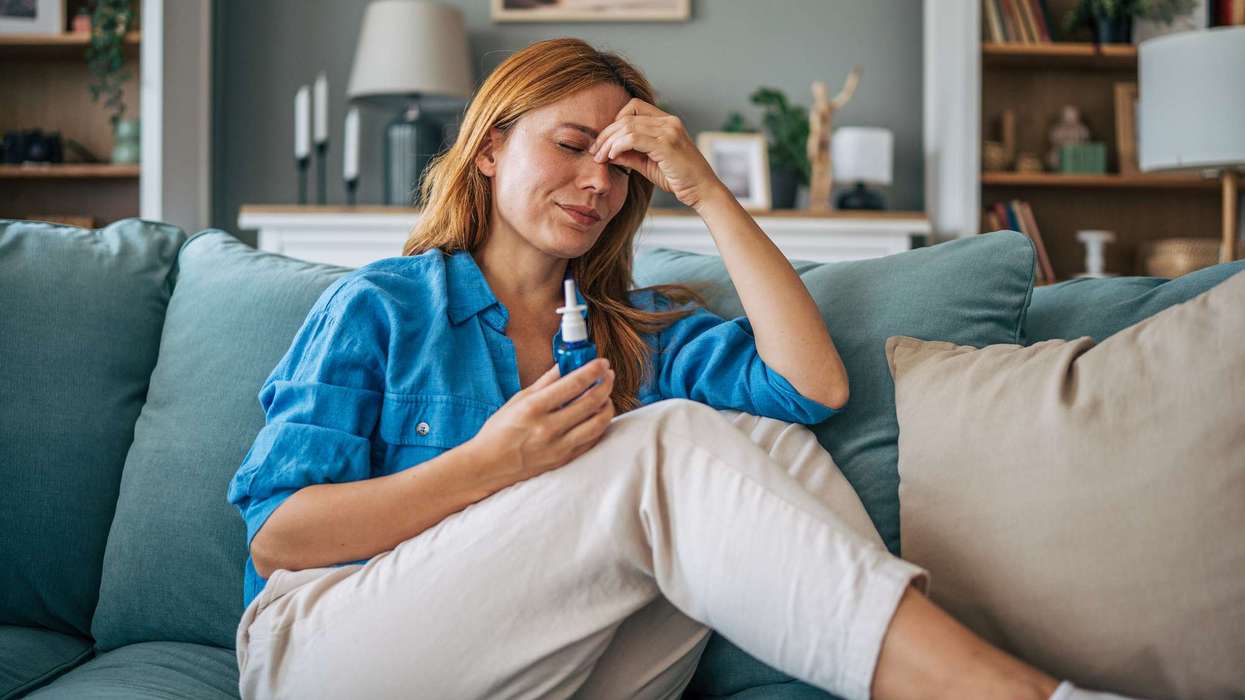
“While oral antihistamines have traditionally been the most common request, we are also seeing noticeably greater demand for eye drops and nasal sprays, suggesting that more patients are experiencing multiple or more persistent symptoms.”
He told Pharmacy Business that though demand has risen, his pharmacy was not facing any significant stock shortages or supply issues.
On being asked about the advice about hay fever on NHS website, Abboud said that NHS advice is helpful and appears to be encouraging more people to seek treatment.
He said that consulting a pharmacist before taking medication is helpful.
“Hay fever treatment is not always as simple as choosing an antihistamine; patients may benefit from a nasal spray, eye drops or a combination of treatments depending on their symptoms. Pharmacists can also help patients avoid duplicating medicines, purchasing something that interacts with existing medication or selecting products that may cause drowsiness, particularly while driving,” he concluded.
Pharmacy should be first contact
Farhad Mehmood from Bruntsfield Pharmacy told Pharmacy Business the scenario in Scotland.
“In terms of NHS advice, I think the messaging is helpful, but it could be stronger and clearer in directing patients to community pharmacy as the first point of contact,” he said.
He noted that in Scotland, the 'Pharmacy First' initiative allows pharmacies to support patients with a wide range of common clinical conditions, including hay fever.
However, he realises that there is still more work to do before it becomes second nature for all patients to think “pharmacy first” for hay fever and similar common clinical conditions.
Mehmood pointed toward the vital role community pharmacies could play in reducing pressure on GP services and other healthcare professionals, such as dentists and optometrists.
“Hay fever is a good example of a condition where patients can often be assessed and treated quickly and effectively in the pharmacy, saving time for both patients and the wider NHS. However, there is still so much untapped potential within community pharmacy, where greater use of pharmacists’ clinical skills could help improve access, reduce pressure on GP practices and make care more convenient for patients,” he concluded.
Emphasis on medication safety came from Duncan Burton, Chief Nursing Officer for England, who urged similar vigilance as warm weather during the World Cup has driven up pollen counts across the country.
“Most people will be able to manage their symptoms with medication that is available off the shelf from community pharmacies and supermarkets, and the NHS website has more advice on how to deal with the discomfort.
“People should be careful not to double dose on medication which might make them drowsy particularly if planning to drive.”
Hay fever typically hits between late March and September when the weather is warm, pushing the pollen count to its peak.