







As a neuroscientist by training, one thing stays with me: the brain is wired to conserve effort. When something feels complex or uncertain, we hesitate, delay, or opt out altogether.
That’s exactly what I see in healthcare systems today. What should be simple, often isn’t.
Even relatively straightforward issues can become frustrating to deal with. A sore throat, hay fever, recurring symptoms someone has been quietly managing, or not managing, for months. Getting the right help can still feel unnecessarily complicated.
And that gap between needing support and confidently getting it is exactly where I think we, in the self-care industry, can do so much more.
Community pharmacy is already doing more
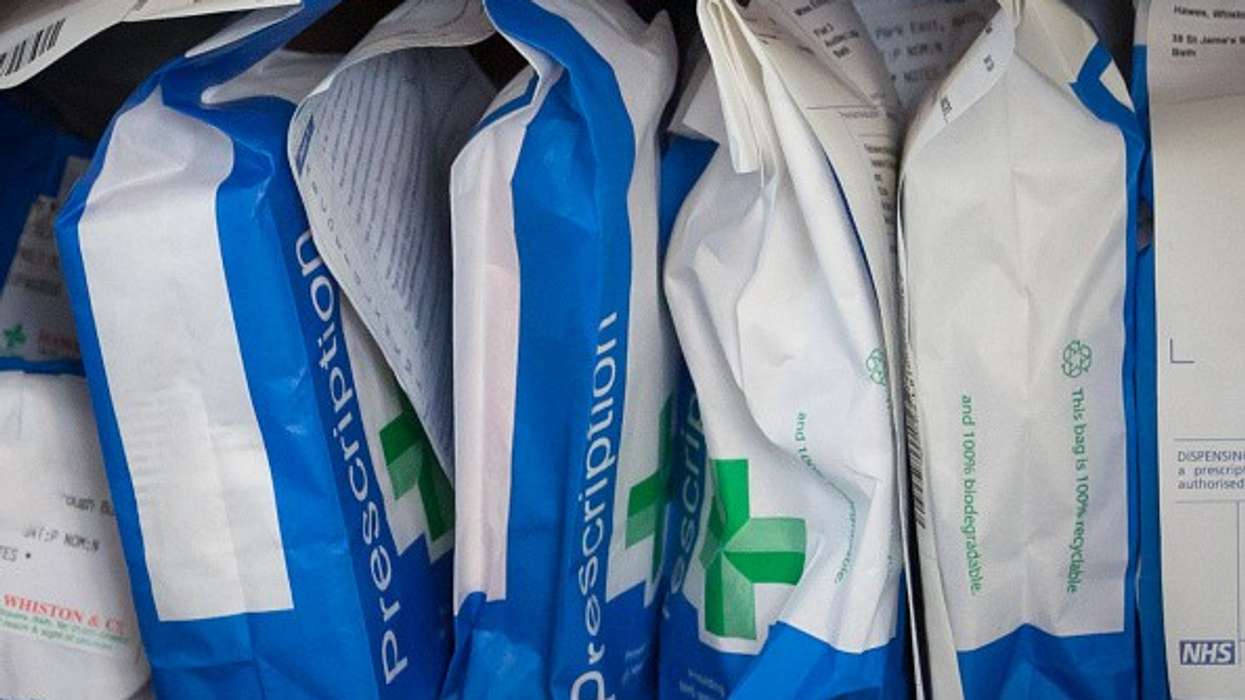
Community pharmacy remains one of the most accessible parts of the healthcare system. People can walk in without an appointment and speak to someone local, knowledgeable and genuinely trusted. In England alone, pharmacies handle around 1.3 million consultations every week, more than 80 percent self-referred and 85 percent are resolved on the spot.
Without them, an estimated 725,000 more patients would end up at their GP every week.
That’s a significant contribution to frontline care, yet public understanding of what pharmacies can help with still hasn’t fully caught up. One of the biggest barriers to effective self-care isn’t necessarily access to services; it’s confidence and understanding.
Policy helps. But it's not enough
Initiatives like Pharmacy First in England and Scotland, and A New Prescription in Wales, have genuinely started to shift perceptions of pharmacy from a place that simply dispenses medicines to one that provides broader clinical support. But changing policy is one thing, changing habits is another.
People are far more likely to manage their own health confidently when advice feels trusted, consistent and easy to access. Pharmacists are already playing this role for many consumers every day. The question is how we make it easier, more consistent and better connected to the rest of the system.
What industry needs to get right
This is where the role of industry can be underestimated and often underutilised. Providing good products matters, of course. But, alone, it's not sufficient. What's needed is a much deeper investment in understanding the real human experience of self-care: what prompts people to seek help, what stops them and what makes the difference between hesitation and a confident decision.
At Opella, we apply that thinking across the patient experience, whether that’s clearer packaging and better patient information or practical tools that support pharmacists’ day-to-day conversations with consumers. Our mission is clear: to make self-care as simple as it should be.
When Cialis Together became available through the pharmacy, we knew that access to the product wasn't the only barrier, starting that conversation was too. So we translated the pharmacist-led screening process into a straightforward nine-question digital assessment, making it easier for patients to access support while giving pharmacists clear, structured guidance for safe supply.
The result was wider access for people who might otherwise never have sought help at all.The same thinking drove our decision to invest in the reclassification of fexofenadine, bringing Allevia 120mg from prescription-only to general sales list. Allergic rhinitis needs to be treated at the first symptoms, so easy access to effective medicine really matters.
But it's not just about convenience, more treatment choices mean pharmacists can make more personalised recommendations, matching the right medicine to the right person rather than defaulting to a one-size-fits-all approach. That's better for consumers, and it's better for the pharmacist relationship too.
In both cases, the product itself was only part of the equation. Reclassification only delivers meaningful value when pharmacists and consumers are properly supported in using it confidently and appropriately.
The bigger opportunity
Community pharmacy is already becoming a more integral part of frontline care, not just somewhere medicines are collected but somewhere people increasingly go first for advice, reassurance and treatment.
What excites me is what becomes possible when industry, the NHS and regulators move together in the same direction. More patients are accessing the right information at the right time. Pharmacists are better equipped to guide those conversations.
If we get that right, self-care stops feeling like a fallback option and starts becoming what it should be: a practical, trusted and integral part of everyday healthcare.
(Nick Linton is the UK Country Head at Opella)