





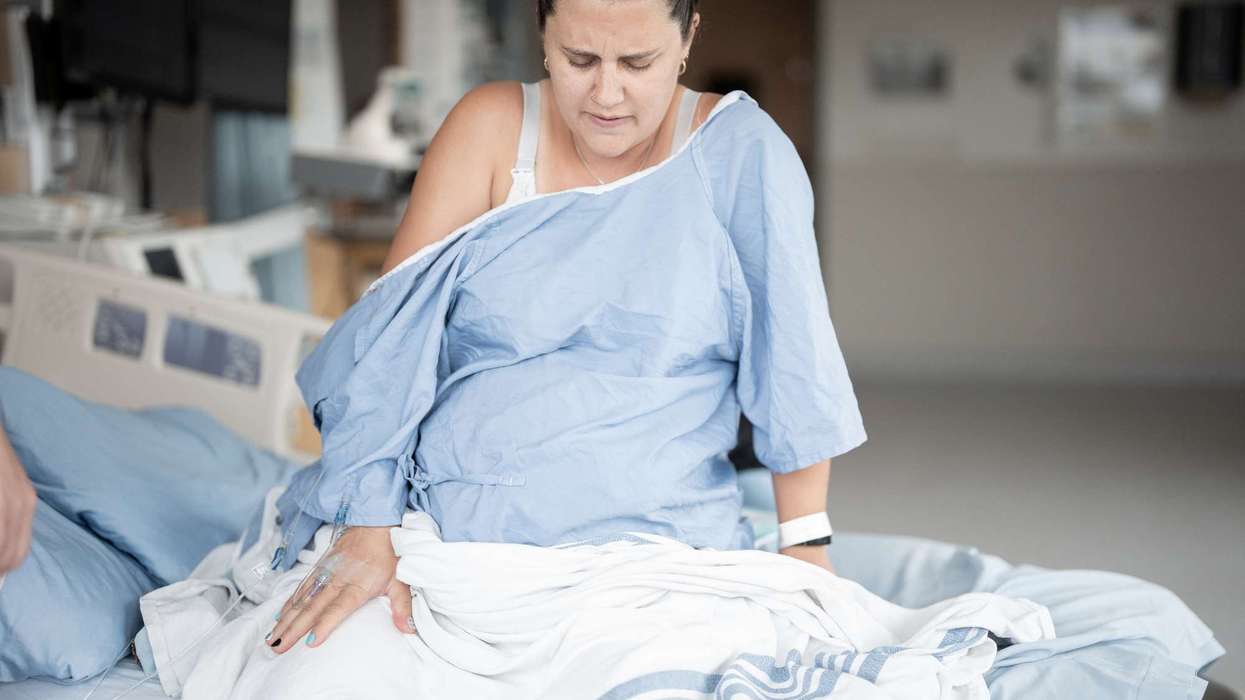

Thousands of new mothers across the UK may be suffering from post-traumatic stress disorder (PTSD) linked to difficult or traumatic childbirths without receiving a timely diagnosis or appropriate support, according to research from the University of East Anglia (UEA).
While postpartum depression and anxiety are widely recognised across maternity and primary care pathways, birth-related PTSD frequently goes unrecognised, often masked by normal postpartum fatigue, low mood, or general anxiety.
The study highlights that traumatic experiences during labour, such as emergency interventions, severe postpartum haemorrhage, loss of control, or perceived threats to the life of the mother or baby, can trigger lasting psychological distress.
According to recent figures, suicide remained the leading cause of death among women between six weeks and one year after pregnancy in the UK during 2021-2023.
The researchers describe these deaths as the “tip of the iceberg”, arguing that many more women are living with serious mental health difficulties but are unable to access the support they need.
Researchers emphasised that many women suffer in silence due to societal pressures to feel only joy following the arrival of a newborn, combined with a lack of routine screening for birth trauma during standard six-week postnatal checks.
To address these diagnostic gaps, the researchers are calling for:
- Enhanced postnatal training: Equipping midwives, health visitors, and GPs with targeted training to identify the subtle signs of birth-related trauma.
- Proactive screening: Integrating validated PTSD screening tools into routine maternal health reviews.
- Trauma-informed pathways: Ensuring clear, direct referral routes into specialist perinatal mental health services and trauma-focused psychological therapies, such as cognitive behavioural therapy (CBT) and eye movement desensitisation and reprocessing (EMDR).
Lead researcher and GP Dr Megan Foreman, from UEA’s Norwich Medical School, said: “Research shows that around one in 20 postnatal women develop PTSD, which is equivalent to tens of thousands of mothers across the UK.”
Dr Foreman said: “Many new mothers attend appointments with their newborns, often combining their own health check with baby examinations or vaccinations. Some may not yet feel able to discuss a traumatic birth experience.
“Asking the wrong questions at the wrong time could leave women feeling unsupported or retraumatised.”
Instead, the authors say any future guidance should be accompanied by better GP training, improved awareness and clear referral pathways into specialist services.
“GPs are uniquely placed to spot warning signs,” said Dr Foreman. “But without better evidence and practical tools, many mothers with childbirth-related PTSD risk being left to cope alone, without the support they need.”
This research was led by UEA in collaboration with City St George’s University of London and the University of Birmingham.