






Key Summary
- HPV self-testing is an invitation-only offer and is being rolled out in phases across England, starting with those aged between 30 and 65.
- If high-risk HPV is found, individuals will be invited to book a follow-up cervical screening appointment at their GP surgery or sexual health clinic.
- Around 4 million women in England are not up to date with their routine check-up for cervical cancer.
The NHS will offer HPV self-testing kits from Tuesday (25) to around four million women, who have not attended earlier cervical screening appointments.
These kits will help more women complete their screening for human papillomavirus (HPV), which can increase the risk of cervical cancer.
It is a common virus that can cause changes to cells in the cervix. These changes can usually be treated before cancer develops.
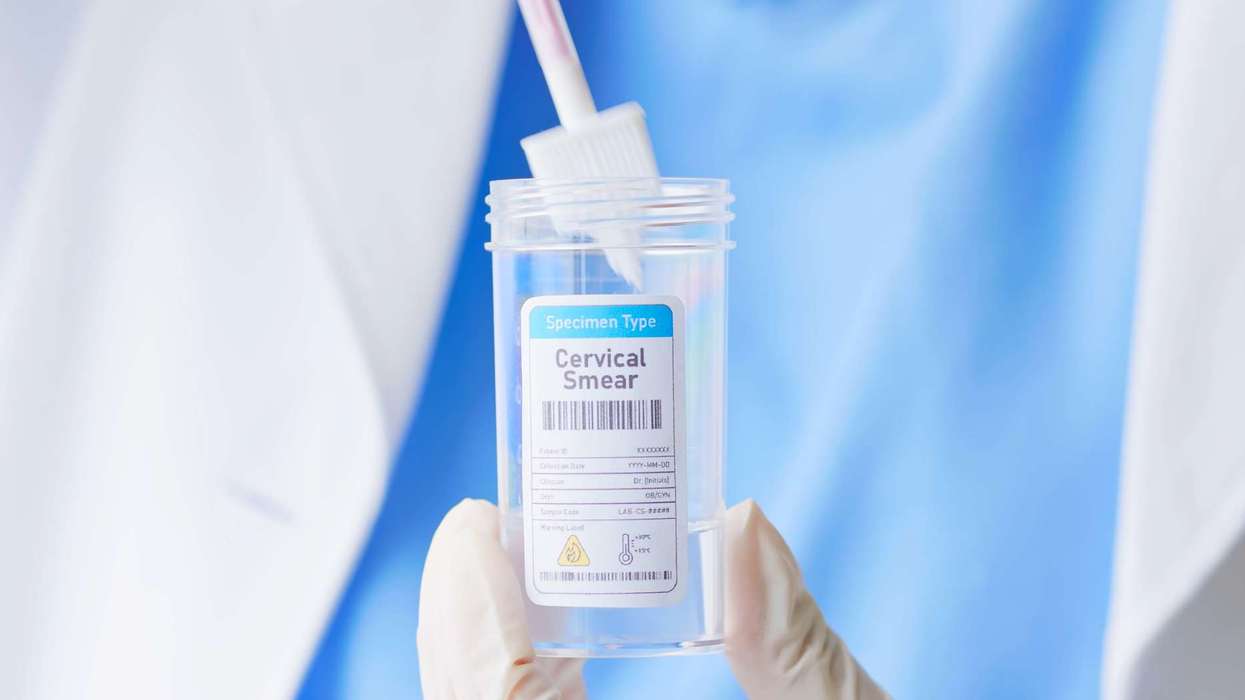
The kit contains a swab, similar to a long cotton bud, which is used to collect a sample from the vagina. It is posted back to the NHS for free, where it is checked for HPV.
If high-risk HPV is found, individuals will be invited to book a follow-up cervical screening appointment at their GP surgery or sexual health clinic.
Cervical screening helps prevent cervical cancer by checking for high-risk types of HPV.
The NHS is taking this step to as part of its aim to eliminate cervical cancer by 2040.
The latest figures show that 68.8% of eligible women were up to date with their cervical screening - below the NHS England target of 80%.
This shows that around 4 million women in England are not up to date with their routine check-up.
Women aged 24-64 are invited for cervical screening by the NHS every five years, or more frequently if HPV is detected.
Anyone who has been invited for cervical screening can still book an appointment at any time, even if the invitation was sent months or years ago.
It is still important to attend cervical screening appointments if you have been vaccinated against HPV as the vaccine does not provide protection from all types of HPV.
Eligible women will start receiving invitations via the NHS App, text message, email or letter, and they will be able to order a free kit through the NHS App or their NHS online account.
HPV self-testing is an invitation-only offer and is being rolled out in phases across England, starting with those aged between 30 and 65.
The national roll out comes on the back of the YouScreen trial run by North London cancer alliances in collaboration with NHS England and King’s College London in 2021, which found offering self-testing kits to under-screened women at their GP practice or at home could boost the numbers screened in England by about 400,000 each year.
Cervical screening appointments with a clinician remain the best way to help prevent cervical cancer, but HPV self-testing is being introduced by the NHS as an additional choice for people who have not taken up previous invitations.
The latest figures show that 68.8% of eligible women were up to date with their cervical screening - below the NHS England target of 80%. This means around 4 million women in England are not up to date with their routine check-up.
Screening a life-saver
Dr Sue Mann, national clinical director for women’s health at NHS England, said: “Screening saves thousands of lives each year by preventing cancers and catching them earlier, but only around two thirds of women are attending cervical screening appointments when invited by the NHS.
“Offering millions of women an alternative test they can do from the comfort of their own homes will be a gamechanger – making it easier than ever for them to get tested for HPV.
“There are lots of reasons that may stop women from getting their cervical screening – embarrassment, lack of time, or worries about discomfort – and these kits provide a discreet and convenient option we hope will encourage more women to take up the life-saving test.
“So, if you’re invited to take part, please order a test – it’s a simple swab you can do at home in minutes.”
Cancer Research UK’s chief executive, Michelle Mitchell, said: “Cervical screening is a powerful tool that saves lives – it can prevent cervical cancer or spot it at an earlier stage when treatment is more likely to be successful.
"While it's best for cervical screening to be done by a nurse or doctor, there are barriers that make it challenging for some people to attend. At-home HPV self-testing kits will help more people take part in a way that works for them.
“If people receive their cervical screening or self-testing kit invitation, please consider taking up the offer and encourage loved ones to do the same. Beating cervical cancer means beating it for everyone, and this move brings us closer to that goal.”
The Eve Appeal CEO, Athena Lamnisos, said: “There are many reasons why those eligible for cervical screening don’t attend. Challenges around the type of test it is, limited awareness around HPV and its role in cancer development, as well as practical barriers such as problems around booking and attending an appointment, stop many from going.
"Cervical screening is designed to prevent cervical cancer rather than respond to symptoms, attending a clinic requires people to actively prioritise an appointment among the many competing demands of everyday life.
“Self-testing which can be done at home will be a step-change for many. We have the incredible opportunity to see the back of cervical cancer."