






After a scorching summer, A&Es and ambulances in England saw a record number of patients in September, as the NHS braces for winter pressure.
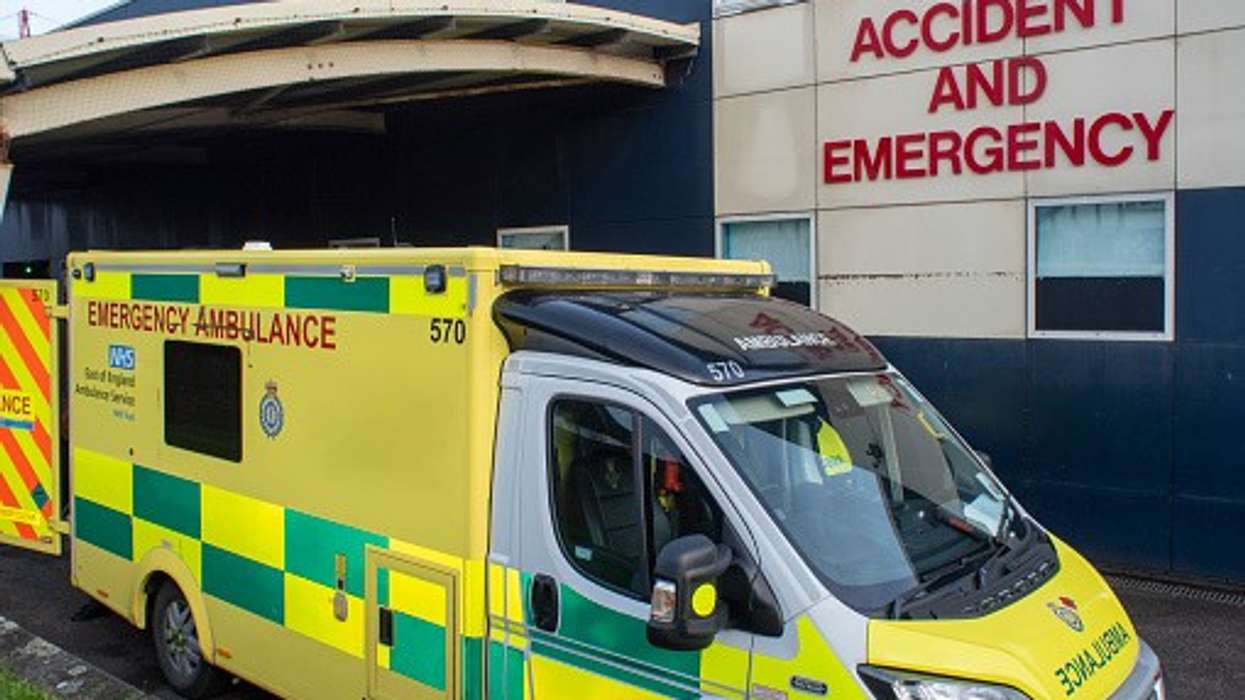
Latest NHS data shows that last month saw the busiest September ever for patients attending A&E (2.44 million) and the highest number of ambulance incidents ever recorded for the same month (806,707).
NHS England’s National Medical Director, Professor Frankie Swords, has warned that winter pressure is now already building in hospitals across the country, and urged the people to get vaccinated at their local GPs and pharmacies.
With flu and other viruses such as respiratory syncytial virus (RSV) already circulating, eligible people are being urged to get vaccinated at the earliest, and not to wait for winter.
There has also been a steep rise in cases of XFG Covid variants, also known as 'American Covid'. UKHSA monthly figures show that the number of cases in September was 4,589, as against 1,374 in August - a 230% increase.
In September, 94.9% of acute hospital beds for adults on average were occupied – up from 94.3% in August 2026 and 94.7% last September – with over 13,600 adult patients in hospital beds per day in September who were medically fit to be discharged (13,647).
Health Secretary Yvette Cooper has urged the people to get themselves vaccinated against preventable illnesses, and help reduce the NHS workload.
Growing satisfaction
However there has been a growing satisfaction with NHS services, with three quarters of people claiming that it was easy to contact their GPS – the highest level recorded since the survey began.
Almost 9 in 10 people using pharmacy services said they were satisfied with the service they received, while 8 in 10 people accessing community services rated their experience as good.
Waiting period
Despite the record levels of planned care delivered this summer, the overall waiting list increased to 7.4 million in August, with an increase of 41,848 compared to July 2026.
Of those patient pathways, 65.2% were waiting up to 18 weeks.
Key cancer waiting times for getting a confirmed diagnosis and starting treatment during August were all improved on the same month last year (28-day diagnosis and 31 and 62-day targets for starting treatment).