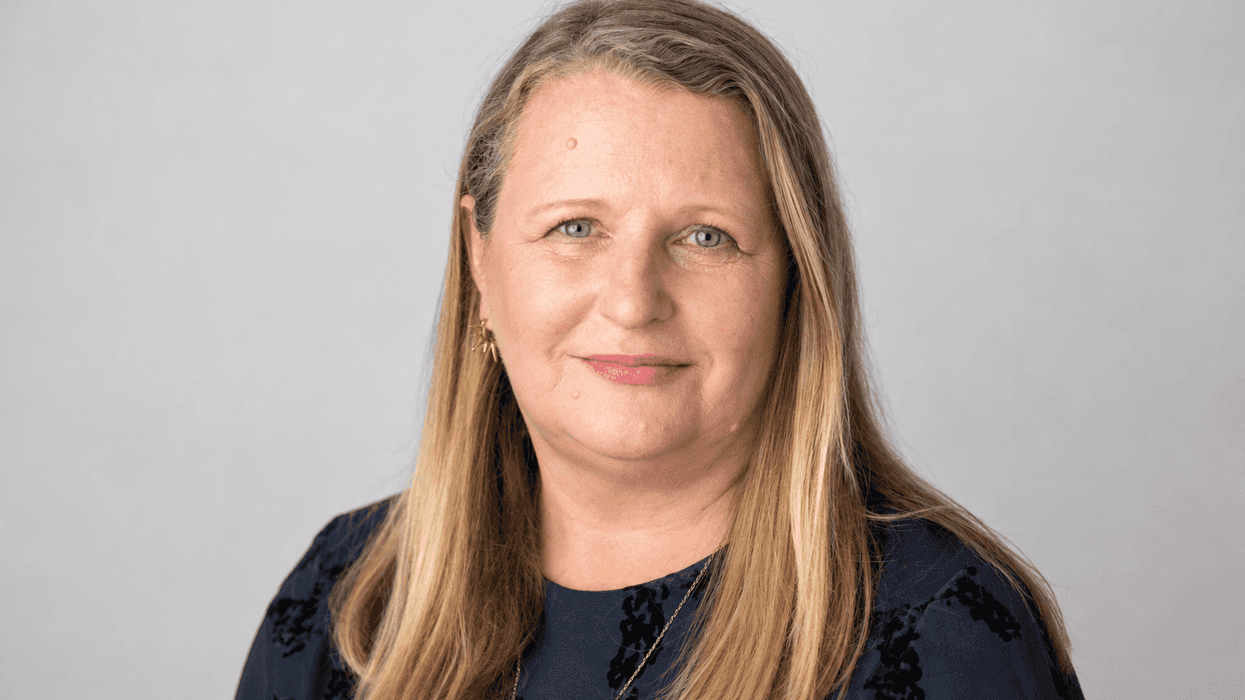








As the pharmacy profession prepares the first cohort of independent prescribers (IPs) to qualify, Pharmacy Business spoke to Sarah Baig, Associate Professor and Prescribing Lead at the University of Birmingham School of Pharmacy about what is important for pharmacists now entering the register.
The questions include the support needed for new prescribers in community pharmacy, the ongoing shortage of DPPs, and the responsibilities of independent prescribers to make clinical decisions independently within a commercial environment.
Q. With the first cohort of pharmacists qualifying as IPs at registration this summer, do you believe the current university curriculum has fully prepared them for clinical diagnosis on Day 1?
A. The short answer is that it has prepared them to begin prescribing safely within a defined scope of competence, but it would be unsafe to suggest that any curriculum can fully prepare a newly registered professional to diagnose independently across the full breadth of primary care from registration.
The 2021 General Pharmaceutical Council (GPhC) reforms are a major and positive step for the profession.
Prescribing is no longer an “add-on” qualification; it is embedded across the MPharm and foundation training year, with supervised practice, assessment, reflection and exposure to clinical decision-making.
Newly qualified pharmacists will enter the register as independent prescribers, creating a once-in-a-generation opportunity for community pharmacy to move from supply-led care to genuine clinical access.
However, diagnosis is not simply the ability to match symptoms to a condition. It requires pattern recognition, clinical examination, red-flag identification, risk stratification, understanding when not to prescribe, and knowing when to refer. Those skills develop through repeated and reliable supervised exposure to real patients, not only through lectures, simulation or isolated placement activity.
My view is that the GPhC curriculum has created a strong foundation, but Day 1 prescribing must be framed as the start of supported clinical practice; not the end of training.
Newly qualified pharmacist prescribers should have clearly documented scopes of practice, structured mentorship and supervision, access to patient records, robust referral pathways, and protected time for reflection and case review. This is particularly important in community pharmacy, where presentations are undifferentiated and patients may present before seeing any other clinician.
The real question is not whether universities have “done enough” in isolation. It is whether employers, commissioners, regulators and the wider NHS have built the clinical infrastructure around these new prescribers.
Without that infrastructure, we risk placing the burden of system change on the shoulders of the newest members of the profession without adequate support or capability from the existing workforce.
With it, this reform can be transformative for access, prevention, medicines optimisation and patient safety.
Q. How do we resolve the huge shortage of supervisors, or DPPs, available to support these pharmacists?
A. The shortage of Designated Prescribing Practitioners is one of the most urgent workforce issues facing pharmacy education. It is also a predictable consequence of trying to scale prescribing faster than we have scaled the supervision model.
The answer cannot simply be to ask the same small group of experienced prescribers to do more. Supervision must be recognised as a core part of clinical workforce development, not a goodwill activity squeezed into already pressured roles.
We need a funded, structured and multi-professional DPP model.
First, DPP supervision should be properly resourced. If pharmacists, GPs, advanced clinical practitioners and other prescribers are expected to train the next generation, there must be protected time, payment, governance support and recognition in job plans. We would not expect high-quality clinical teaching in medicine or nursing to happen without infrastructure; pharmacy should be no different.
Second, we need to broaden the DPP pool. Experienced pharmacist independent prescribers should be supported and incentivised and trained to become DPPs, but we should also use multi-professional supervision across general practice, urgent care, hospital, community services and PCNs. Prescribing is a clinical skill, and supervision should reflect the multi-disciplinary reality of modern primary care.
Third, community pharmacy needs more prescribing services in which supervisors can practise. You cannot build a sustainable DPP pipeline in a sector where many pharmacists qualify as prescribers but have limited opportunity to prescribe. Nationally commissioned community pharmacy prescribing services would create the real-world practice base needed to develop confident prescribers and future supervisors.
Finally, we need regional DPP hubs or communities of practice. These could match trainees with supervisors, standardise quality, provide case-based teaching, support supervisors with training, and reduce the postcode lottery that many trainees currently face. A central DPP database alone is not enough; the system needs active coordination to reduce workforce pressures and the key to this is cross system collaboration and avoidance of silo working.
If we solve the DPP issue well, we do more than help trainees complete a requirement. We create a culture of clinical supervision, peer review and prescribing governance across pharmacy and a shift in the paradigm of the workforce encouraging pharmacists to embrace the DPP role for generations to come.
Q. How can pharmacies safely balance store performance with independent clinical decision making?
A. A pharmacist cannot safely balance commercial targets with clinical decisions unless the boundary is absolutely clear: patient safety and professional judgement must come first every time.
Targets are not inherently wrong. They can help services reach more patients, improve access, and ensure that pharmacy teams are proactive rather than reactive. The problem arises when targets become pressure, when a pharmacist feels pushed to supply, prescribe, recruit, vaccinate or complete a service, even if the clinical picture does not support it.
Independent prescribing changes the risk profile. A prescribing decision is not a retail transaction. It is a clinical intervention carrying professional, legal and ethical accountability.
The pharmacist must be able to say “no”, “not yet”, “I need more information”, or “this needs referral,” without feeling that they are failing commercially.
The safe model in my opinion is to separate clinical governance from sales performance. A pharmacist prescriber should work to clinical inclusion and exclusion criteria, document decisions clearly, practise within scope, and escalate concerns where targets could compromise safe care.
Employers must ensure that service delivery expectations are realistic, that staffing levels allow proper consultations, supervision and that pharmacists have protected time to assess, prescribe, document and follow up properly.
In practice, this means replacing blunt volume targets with quality indicators: appropriate referrals, antimicrobial stewardship, patient outcomes, safety-netting, documentation standards, peer review, and patient experience.
A pharmacy service that celebrates only the number of consultations completed is missing the point. A clinically mature pharmacy system also values the consultations where the pharmacist chose not to prescribe.
For me, the principle is simple, targets should measure access and quality; never override judgement. The credibility of pharmacist prescribing depends on the public knowing that the pharmacist’s decision is independent, clinically justified and made in the patient’s best interests.
Sarah Baig is Professional Development and Governance Lead at Dudley Group NHS Trust and Associate Professor and Prescribing Lead at the University of Birmingham School of Pharmacy