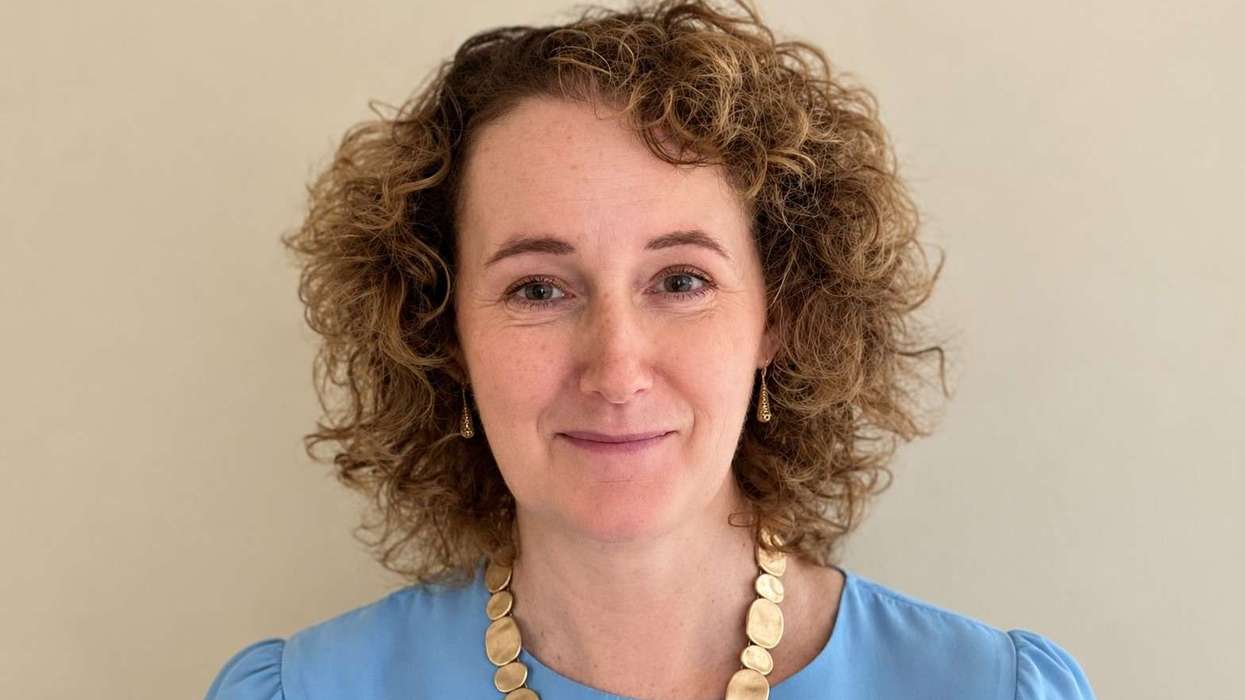








For Sehar Shahid, the winner of Independent Prescriber of the Year award during the 2025 Pharmacy Business Awards, the route to independent prescribing happened nearly 10 years after she had qualified as a pharmacist.
At that time, she felt her job had become more ‘business-focused’ than clinical.
“My career was initially focused on community pharmacy. After qualifying, I worked with Boots and quickly moved into store management, spending nearly 10 years progressing in corporate roles. However, these roles were heavily business-focused rather than clinical.”
Shahid had graduated in pharmacy from the University of Strathclyde in Glasgow in 2011, and qualified as a pharmacist a year later after her pre-registration training. She returned to the university in 2021 to complete her independent prescribing qualification.
During her early student days, she was keen on pursuing dentistry, and pharmacy was a back-up plan. “I wanted to pursue dentistry after gaining some experience in a dental practice. I even received a conditional offer, but didn’t meet the required grades due to a difficult personal time.”
She lost both her grandparents during the last year of her school. Her grandmother passed away during her prelims and grandfather during her final exams.
Shahid then took up pharmacy. Initially she didn’t enjoy it because the course was very science-heavy.
“However, in my third and fourth years, when it became more clinically focused, I really started to enjoy it. Looking back, I’m very grateful things turned out this way – I truly love being a pharmacist and helping patients.”
After having children in 2015 and 2019, Shahid decided to look for more flexibility and a shift towards clinical work.
In 2020, she reduced her working hours and took on a part-time role in primary care, supporting care homes. “I loved the clinical aspect, but I found it frustrating that I couldn’t directly prescribe medications – I had to rely on GPs to implement my recommendations.”
This limitation, along with the future direction of pharmacy practice, motivated her to become an independent prescriber.
Pharmacist prescribers
Shahid said she is excited about the next generation of pharmacists joining the register as independent prescribers.
“It represents a significant shift for our profession and creates an opportunity for pharmacists to play an even greater role in improving access to healthcare.
“However, prescribing is not simply about gaining a qualification; it comes with significant clinical responsibility. Newly-qualified pharmacists will need the right environment, supervision and mentorship to develop confidence and competence in prescribing. Knowing when not to prescribe, recognising the limits of your competence, managing risk and having robust safety-netting and follow-up are just as important as making the prescribing decision itself.
“As a profession, we therefore have a responsibility to support these pharmacists beyond registration. Employers must ensure that commercial or operational pressures never compromise clinical decision-making and that newly qualified prescribers have access to experienced clinicians for support.
She felt that if this transition is done correctly, then pharmacist prescribing has enormous potential. “It can improve patient access, make better use of pharmacists' clinical expertise and further establish community pharmacy as an integral part of the wider healthcare system.”
Online pharmacy
 Sehar Shahid with her team members.Photo provided by Sehar Shahid
During the Covid pandemic, Shahid was approached by an acquaintance who needed support for their newly set up online pharmacy, which needed to strengthen its governance and compliance.
She was initially reluctant because she did not have any experience running an online pharmacy, but agreed when she thought that her skills could be helpful.
The pharmacy had no governance mechanism in place. “They were literally supplying medication, but without any kind of safety net, no processes, no SOPs, no risk assessment, nothing.”
She implemented structured processes such as risk assessments, SOPs, and audits, rebuilding the business safely.
This experience made her realise there was a major gap in the market – many online pharmacies were not operating as they should.
“Many online pharmacies were not operating safely or compliantly. I started my own consultancy to help others set up or improve their online pharmacies.”
There was limited information available at the time regarding governance of online pharmacies, and even the inspectors knew little about it, she suggests.
On the other hand, because of Covid, there was a huge rise in online pharmacies, but little experience of regulating them.
Shahid used her store manager experience at Boots to help. She implemented these skills into the online pharmacy model and helped to rebuild their business.
Shahid eventually decided to launch her own online pharmacy in 2023.
“I wanted to create something different – focused on trust, patient care, and holistic support rather than purely transactional services. Despite challenges, especially in a male-dominated industry, my goal has always been to set a gold standard for safe and ethical online pharmacy practice.”
When asked how different it is to run an online pharmacy from an offline one, Shahid said: “The biggest difference is that online pharmacies don’t have walk-in patients, so we rely heavily on marketing to reach people. It’s also a highly competitive space.”
She personally feels that online pharmacies offer her more flexibility and scalability. “I can manage my schedule around my personal life, and the business can operate without my constant physical presence. That said, we cannot perform physical assessments like blood pressure checks, so we focus on conditions that can be safely managed remotely.
“Our approach is to provide patient-centred, holistic care, focusing on areas like obesity and women’s health. We differentiate ourselves through personalised support and ethical practices.”
Elaborating upon the services offered by her firm, Shahid says: “Patients visit our website, select a condition, and fill out a consultation form. After choosing their treatment and making payment, the case is reviewed by a prescriber."
Shahid and her team do video consultations with patients after they have submitted their online consultations.
“If appropriate, we issue a private prescription, dispense the medication, and ship it directly to the patient. Orders placed before a certain time can often be delivered the next day. The entire process is designed for convenience while maintaining clinical safety.”
Weight management
For her independent prescribing qualification, Shahid had specialised in obesity management, and she says she finds it ‘incredibly rewarding’ to support patients through weight loss journey.
“I developed weight loss services that emphasise not just medication but also holistic care – supporting patients with lifestyle, nutrition, and mental wellbeing.
“This approach has led to strong patient outcomes and high retention rates. While many providers focus on volume, I prioritise quality and long-term results. I’ve also had opportunities to train other healthcare professionals and speak on national platforms, which has been incredibly rewarding.
“Credibility comes from consistent, ethical practice and patient outcomes. Most of my patients come through word-of-mouth recommendations.
“I’ve also been invited to speak in the media as an expert, which helps build trust. Transparency, compliance, and patient safety are central to everything I do, and patients recognise and value that.”
She has supported thousands of patients in their weight-loss journey. “It has been so rewarding because it has been life changing for so many patients.
“I like seeing that transformation of their health through medicated weight loss, but through a holistic service as well. I like supporting them with their mental wellbeing, their diet, their nutrition, their lifestyle, all the habits as well, not just the medication.”
Shahid is also a clinical trainer for Eli Lilly and Company and mentors other prescribers.
Work-life balance
When Shahid was asked how she juggles being an entrepreneur, prescriber, consultant and a board member of National Pharmacy Association, she said: “I run three businesses, contribute to professional organisations, and am also a mother of two. While it sounds like a lot, everything I do is interconnected, and I’m passionate about all of it, so it doesn’t feel overwhelming.
“Having a supportive family, especially my husband, makes a big difference. My children are also a huge source of motivation – I want them to grow up seeing what’s possible and believing they can achieve the same.”
She runs the online pharmacy 24 HR Pharmacy and a consultancy firm Pharmacy Consultant.