






Key Summary
- UK launches Multi-Hazard Research Network (MHRN).
- It is currently supporting the Ebola response.
- The UK also committed funding to develop treatments and rapid diagnostics for the Bundibugyo species of Ebolavirus.
The UK has launched the Multi-Hazard Research Network (MHRN) to provide rapid expert advice and evidence during emerging infectious disease outbreaks, including the current Ebola response.
Led by the Institute of Development Studies, the network brings together UK and international experts to strengthen prevention, preparedness and response to outbreaks and wider crises.
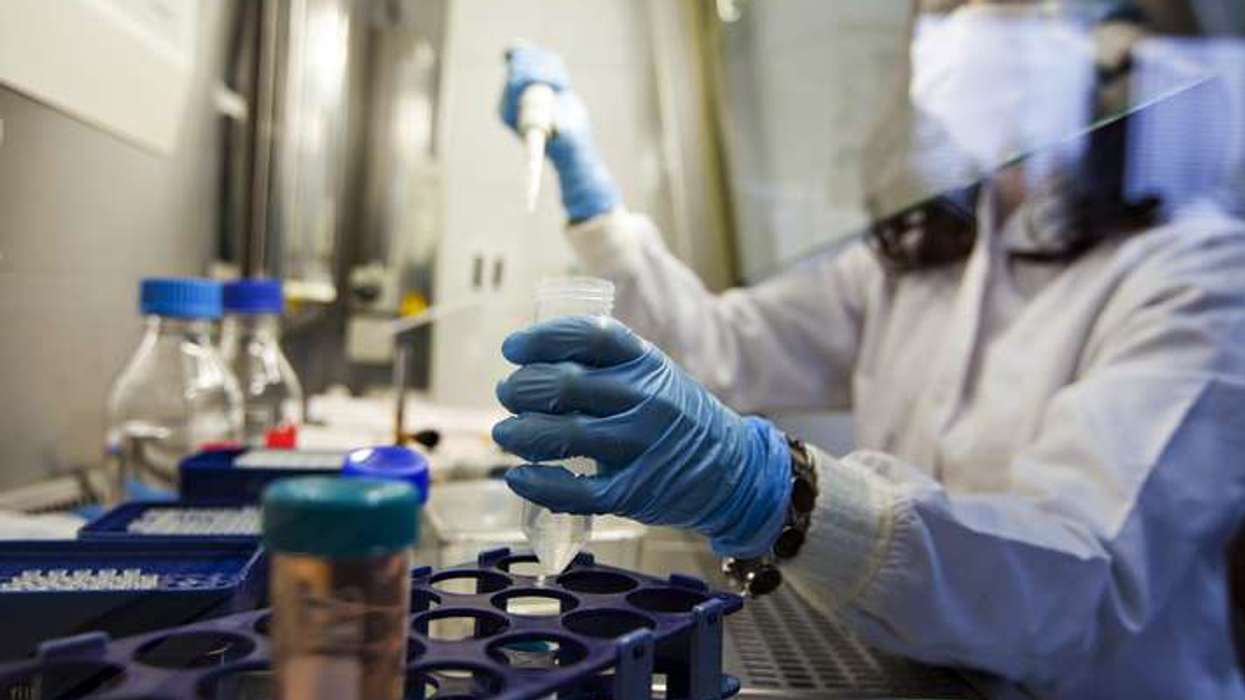
The UK has also committed funding to support research into treatments and rapid diagnostics for the Bundibugyo species of Ebolavirus.
Posters outlining Ebola symptoms and passenger guidance have been placed at Heathrow, Gatwick and Manchester airports, as well as St Pancras and Birmingham railway stations.
Passengers travelling from the DR Congo or Uganda should be aware of any flu-like symptoms, such as high temperature, extreme tiredness and a headache, which can take between 2 and 21 days to appear. Anyone travelling from these countries, and feeling unwell, or have had contact with a possible Ebola case should contact NHS 111 immediately.
The MHRN is designed to give decision-makers quick access to practical evidence and specialist expertise during emergencies, helping them assess risk, plan ahead and respond more effectively.
Its Rapid Response Unit is already supporting the Ebola response with specialist input, including lessons from previous outbreaks, local context and modelling of how the situation may evolve.
Foreign Secretary Yvette Cooper said the UK is drawing on its scientific expertise, research capability and regional knowledge to improve the global response to the outbreak and prepare for future health threats.
She added that early action is essential to save lives and that diseases such as Ebola must be tackled at source because they do not respect borders.
The UK has also provided £21 million to help contain the Ebola outbreak in eastern DRC, while the UK Health Security Agency is increasing border checks in response to the outbreak in central Africa.