





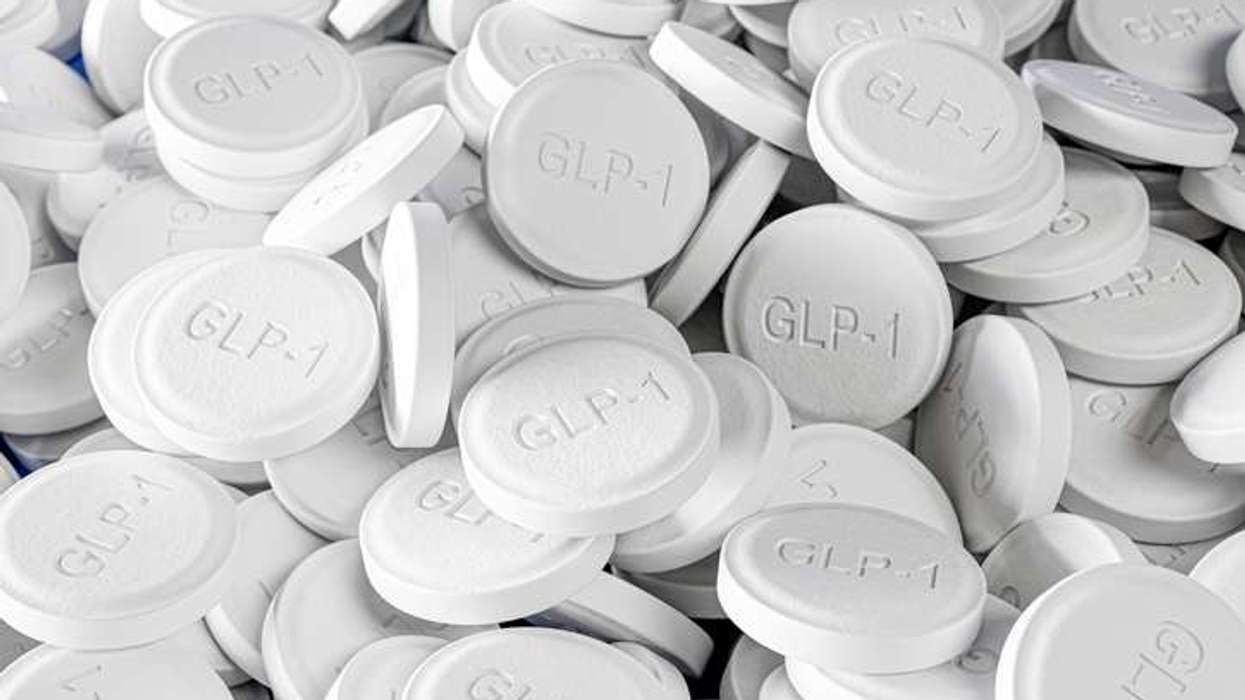

The arrival of daily oral GLP-1 treatments in the UK could transform access for patients who dislike or are afraid of injections, but it also creates opportunities for online counterfeiters.
Eli Lilly’s daily tablet orforglipron (marketed as Foundayo) has received regulatory approval in the UK for weight management and type 2 diabetes, and is now privately availability.
While commonly dubbed the "Mounjaro pill", it is a distinct chemical entity: Mounjaro (tirzepatide) is a weekly dual-agonist injection, whereas Foundayo is a daily oral GLP-1 receptor agonist.
Sobia Qasim, Superintendent Pharmacist at UK online pharmacy Curely, noted that oral treatments remove a major psychological barrier for needle-hesitant patients, but cautioned that the format could make consumers more vulnerable to fraud:
"A tablet may instinctively feel less suspicious than an injection because we're used to seeing medicines in bottles and blister packs. That familiarity can create a false sense of security.
"A professional-looking box, blister pack or website does not prove that a medicine is genuine. Counterfeiters can reproduce colours, logos, packaging and batch information extremely convincingly. The most important checks are around who prescribed the medicine and who supplied it."
The warning follows ongoing alerts from the Medicines and Healthcare products Regulatory Agency (MHRA). In 2025, UK authorities seized nearly £45m worth of illegal medicines, with rogue GLP-1 formulations frequently found to contain incorrect dosages, no active ingredient, or harmful contaminants.
Healthcare professionals advise patients to verify that any online provider conducts a genuine clinical consultation, employs registered UK prescribers, and dispenses medication via a pharmacy registered with the General Pharmaceutical Council (GPhC).
How can I tell if an online weight-loss pill is fake or unregulated?
Key red flags for counterfeit weight-loss tablets:
- Social Media Sales: Prescription medicines sold via private messaging, marketplace listings, or social media channels.
- No Clinical Consultation: Providers issuing medicines without assessing health history, current medications, or baseline eligibility.
- Guaranteed Results: Marketing claims that promise specific weight reductions.
- High-Pressure Tactics: Countdown timers, artificial stock alerts, or rushed payment prompts.
- Suspiciously Low Prices: Steep discounts that fall well below standard market rates.
- Unsealed or Mislabeled Packaging: Tablets arriving loose, unsealed, or without mandatory dosage and patient safety labels.
- Unregistered Sellers: Inability to identify and verify the dispensing pharmacy on official UK regulatory registers.
Before purchasing any prescription weight-loss treatment online, one should check whether the provider requires a genuine clinical assessment, uses an appropriately qualified prescriber and dispenses medication through a registered UK pharmacy.
Sobia said: "The checks around the medicine are just as important as the product itself.
Who prescribed it? Was a proper consultation completed? Which registered pharmacy supplied it? Can you contact a healthcare professional if something goes wrong?
If those questions cannot be answered clearly, do not take the medication."
Anyone who believes they have received counterfeit or suspicious medication should avoid taking another dose until they have spoken to a pharmacist or doctor.
Consumers should keep the packaging, receipt and details of the website or seller. Suspected counterfeit medicines and adverse reactions can also be reported through the MHRA Yellow Card scheme.
Sobia said: "People may feel embarrassed if they've bought medication from an unofficial seller, but healthcare professionals need to know exactly what may have been taken so they can provide the right treatment.
Do not assume that feeling unwell is simply a normal side effect, she added.