





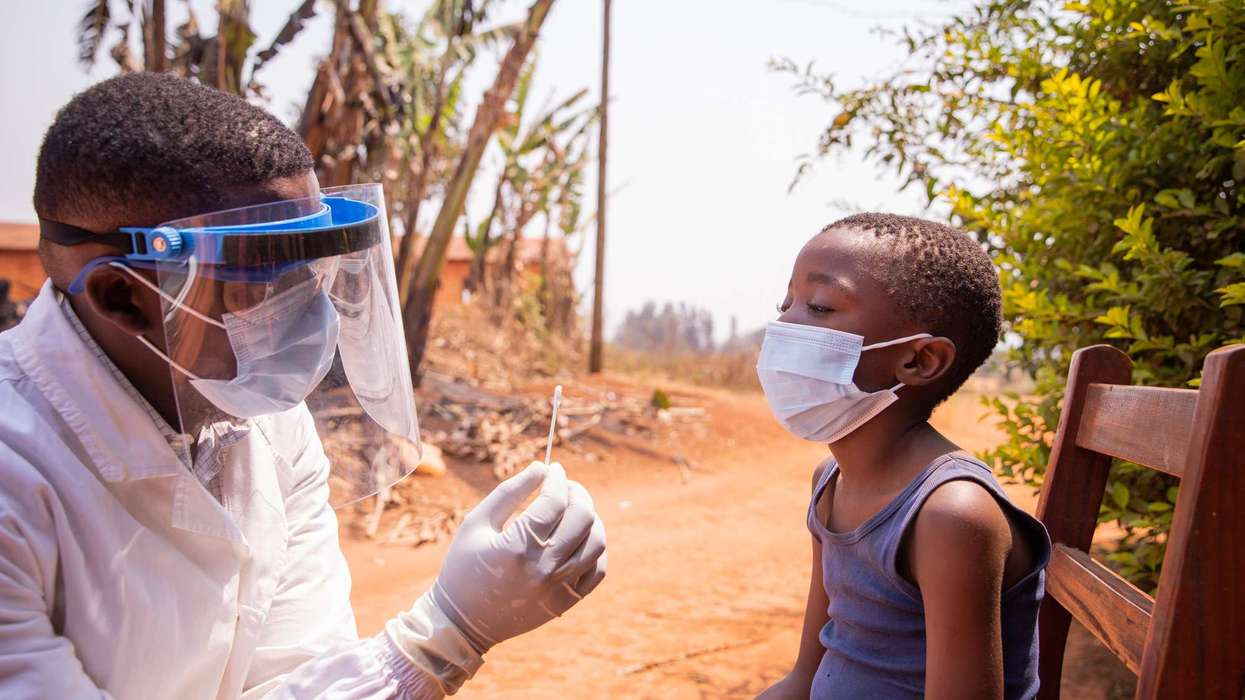

Oxfam aid workers in the Democratic Republic of Congo (DRC) have warned that efforts to contain the latest Ebola outbreak are being severely compromised by cuts to international aid budgets.
More than 2,000 people have died from the virus since the outbreak was officially declared in May, making it the second-worst Ebola outbreak on record.
Infection rates remain high, according to the World Health Organization (WHO), adding to concerns that authorities are struggling to get to grips with the spread of the disease and placing the crisis on track to surpass the deadliest epidemic on record in 2014.
In response to the escalating crisis, Oxford University researchers are working to prevent further spread and have recently begun a world-first clinical trial to test a new preventative Ebola vaccine.
However, others emphasise that clinical breakthroughs cannot succeed without basic operational funding on the ground. In 2025, the UK government announced plans to cut about £6bn from the overseas aid budget by 2027 to fund increased defence spending, reflecting a broader trend of reduced donor contributions internationally.
Speaking from the DRC capital Kinshasa, Oxfam's Ebola field response co-ordinator, Manel Rebordosa, described the current situation as “complicated” by a severe “lack of resources”.
Rebordosa, speaking to the BBC, explained that although teams work closely with community volunteers to raise awareness at the grassroots level, underfunded infrastructure severely undermines their message.
“Our main concern at this point is that even if we can tell the people that they need to go to the Ebola treatment centres, that they need to trust the system, if the system doesn't have the resources to really work,” he warned.
In June, Oxfam reported that only one in five health facilities have access to enough clean water.
"Water, the absolute first line of defense in any public health emergency, is simply not available. Miners working in the surrounding areas have no toilets and handwashing stations, then they return home to communities already battling the virus. Clean water costs two dollars for 20 liters. For most families here, that is far beyond what they can afford," he said.