






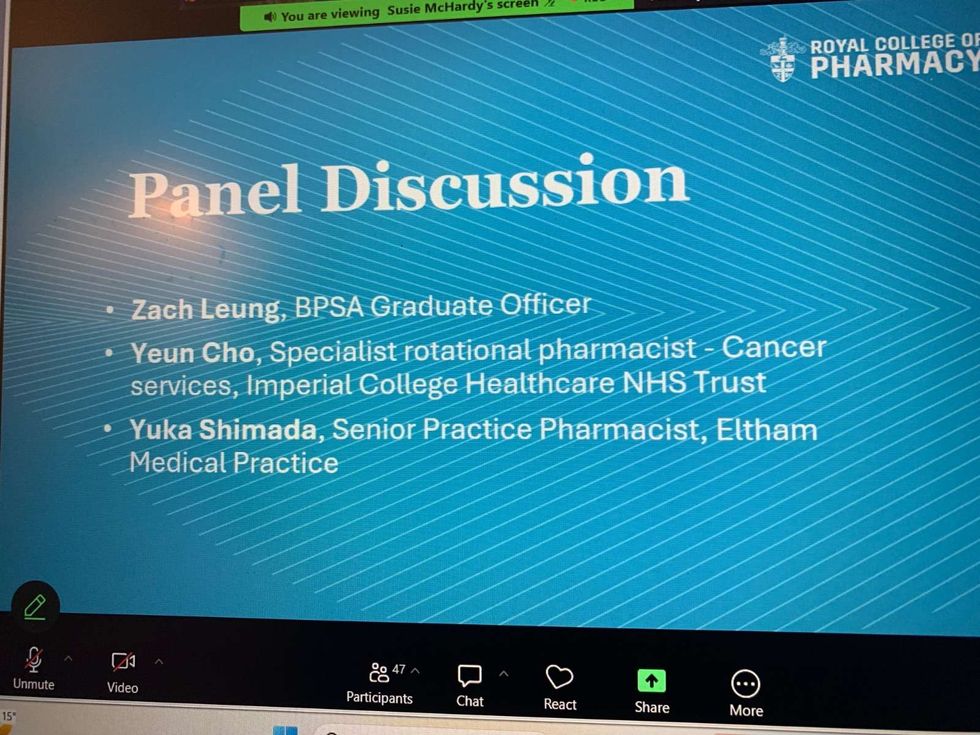
Pharmacy professionals should not assume they know a patient’s language, culture or needs from their appearance, said Yuka Shimada, senior practice pharmacist at Altam Medical Practice. Instead, she said, they would improve communication by asking open questions to deliver genuinely patient-centred care.
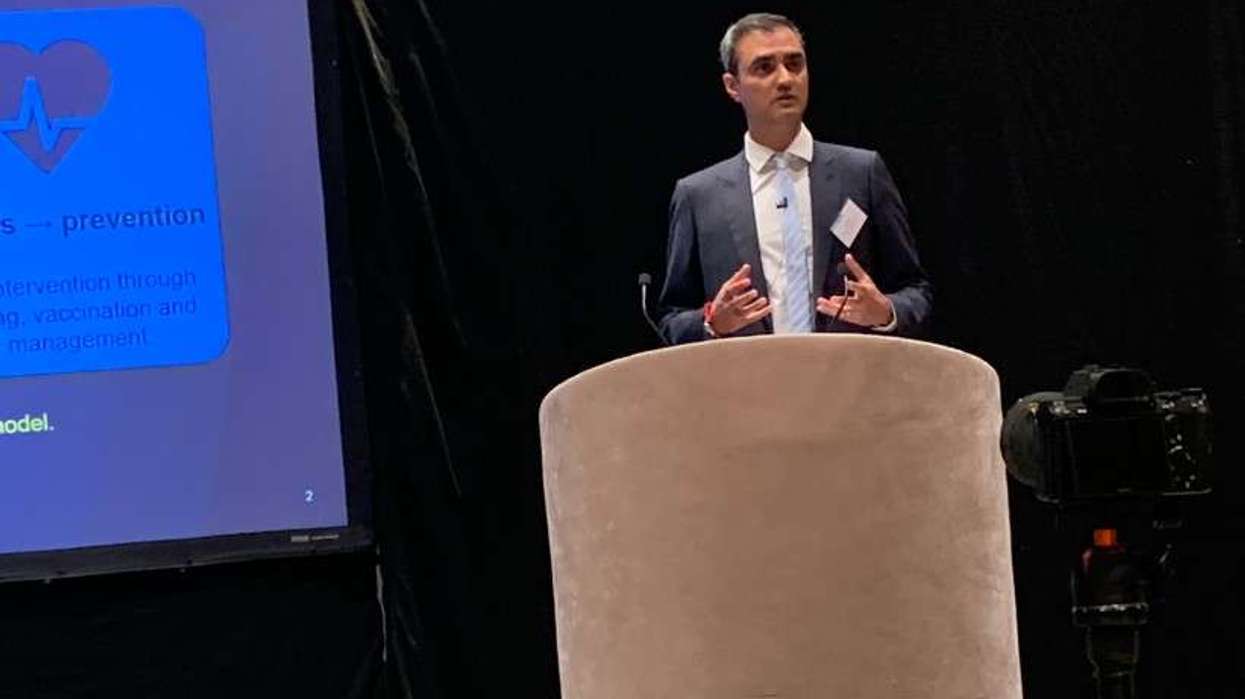
She was speaking at the Royal College of Pharmacy’s East and South East Asian (ESEA) Heritage Month event, ‘Evolving Threads’, held online on 16 September. The event was run in partnership with APTUK, the BPSA, the Female Pharmacy Leaders Network, the Guild of Healthcare Pharmacists, Pharmacy Technicians of Colour, the UK Black Pharmacists Association and Pharmacy Business.
Shimada said ESEA communities were too often treated as a single group, even by colleagues.
“I’ve been asked multiple times whether I can speak Japanese or Chinese because a patient needs translation. It shows how easily different East Asian or South East Asian identities can be grouped together based on appearance.
“You might be able to guess where someone’s from just by looking at their appearance, but it doesn’t tell you their language, culture, or their story.”
She reminded pharmacists that East Asian, South Asian and Black African Caribbean patients have lower BMI cut-offs for diabetes and cardiovascular risk. She also highlighted cultural factors that can limit shared decision-making.
“Many patients, especially the older ones, just do what they’re told by the GP or the doctor. They wouldn’t mention side effects, they wouldn’t mention herbal medicines.
“Good care isn’t about knowing everything about every culture. It’s about asking open, better questions.”
Zach Leung, BPSA graduate officer and trainee pharmacist, said the community’s reticence should not be mistaken for disengagement.
“One misconception I’d like healthcare professionals to address is that we are generally quiet – especially the older generation. But this does not mean that we don’t engage with our health. Give us a comfortable, judgment-free space to speak up about our health concerns.”
Leung also raised the uncertainty facing international trainees who rely on visa sponsorship to remain in the UK after qualifying.
 Royal College of Pharmacy
From refugee boat to pharmacy leadership
Delivering the keynote address, Yung Strawbridge, lead education and PGDs pharmacist at Cornwall Partnership NHS Trust, described her journey as “a story of resilience, opportunity, family and giving back”.
Strawbridge was three years old when her family fled Vietnam at the end of the war, part of the exodus known as the Vietnamese “boat people”. Her mother was six months pregnant.
“The boat was very low – my mum said she could put her hand out and feel the water. But she felt a huge amount of hope, and throughout it all, she just held me. She just held me so tight.”
After three days at sea, the family were rescued by an English merchant ship bound for China. Its captain left them at a refugee camp and promised to return in six months to take them to England.
“The captain did honour his promise, and six months later he came back to pick us up from the refugee centre, and he took us back to England,” she said.
Strawbridge said she had experienced racism growing up, but that it had shaped her practice as well as her character.
“There were experiences of racism when I was growing up, but that has made me a much stronger person. It’s made me feel more resilient of my experiences, and it also helps me to put myself in other people’s shoes as well.”
A pharmacist for more than 25 years, Strawbridge trained with Boots in London before moving into NHS hospital pharmacy. She went on to become Principal Pharmacist for Medicines Management and Governance at a large NHS trust and later served as an acting Deputy Chief Pharmacist.
Her governance team were finalists in a national patient safety award. She credited a nurse embedded in the team for helping to reduce errors on the wards:
“We would go onto the wards and train from a nursing perspective and a pharmacy perspective, and we found that the themes from that teaching – and the errors – dramatically reduced from that.”
She also paid tribute to community pharmacy teams for staying open during the pandemic.
“During Covid, all the high street was closed, but our doors were open. We were the heart and soul of the community during Covid. We absorbed their pain, their worries, their suffering when we were all going through it ourselves.”
In her current role covering Cornwall and the Isles of Scilly, Strawbridge trains incoming pharmacists and pharmacy technicians. She also develops PGDs that allow nurses in Minor Injury Units to treat patients when summer tourism doubles the county’s population.
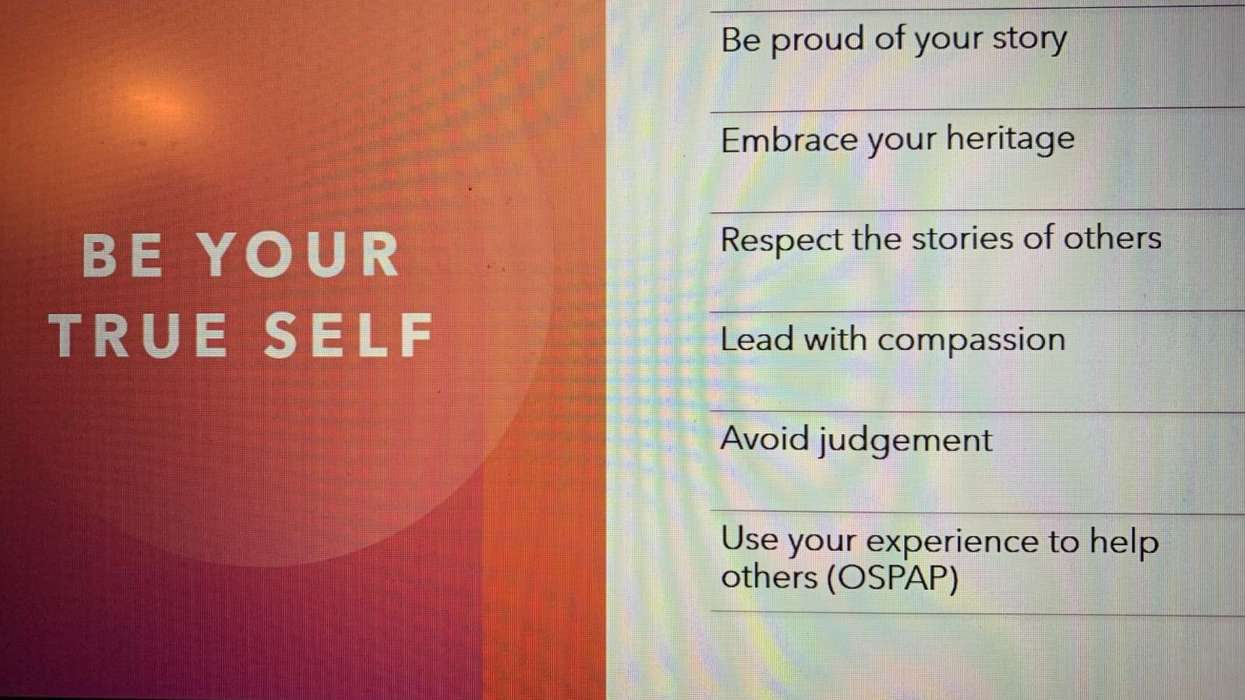
“The most important part of my journey is not what I’ve achieved, but how I can help others achieve their goals,” she said.
 Royal College of Pharmacy
Inclusion and belonging
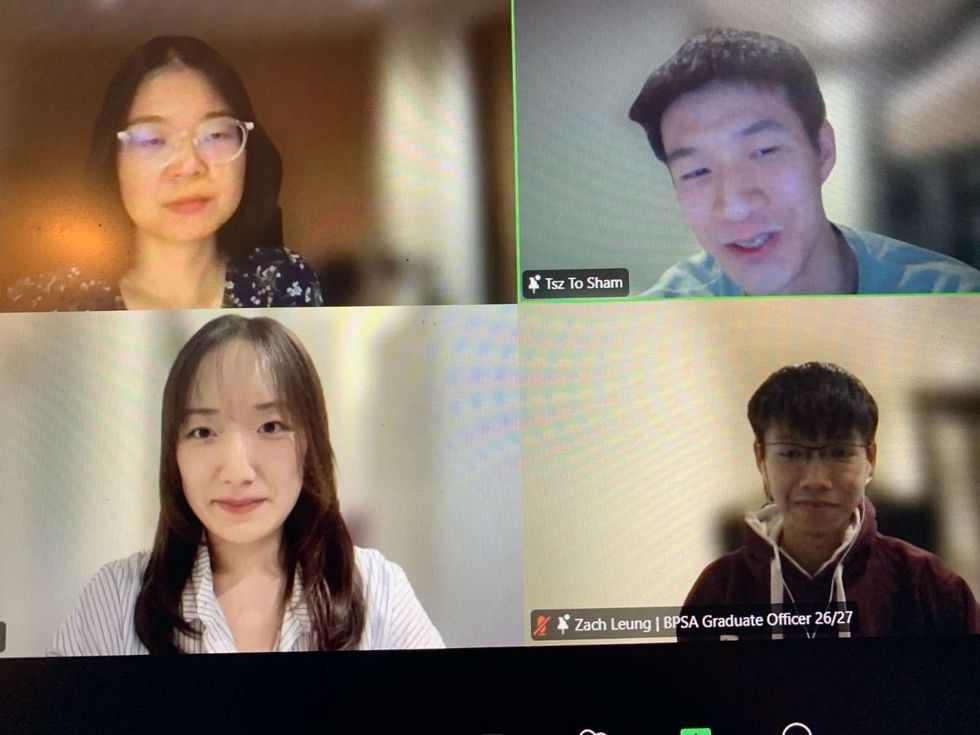
Asked what colleagues could do to improve inclusion, the panel focused on curiosity and advocacy.
Yuan Cho, specialist rotational pharmacist in cancer services at Imperial College Healthcare NHS Trust, said inclusion started with listening.
“Instead of assuming you know someone’s culture or experience just by their looks or the group they’re associated with, ask questions and, more importantly, listen to their story.”
Shimada urged colleagues to champion quieter team members, and said this should happen year-round, not just during heritage month.
“We might appear quieter, but it doesn’t mean we have no opinions or can’t contribute. If you see a colleague from a South East or East Asian background staying quiet in meetings, put their name forward for opportunities, because they might not do it themselves.”
Responding to a question on divisive language around migration, Strawbridge said honest and respectful challenge was key, as people often did not realise they had caused offence.
Looking back to the captain who rescued her family, she said she felt she was now honouring her own promise to her parents: to “give back to this country that I absolutely love and that I’ve made my home.”