






Key Summary
- The Department of Health and Social Care has said the government's offer will provide resident doctors greater opportunities for career progression and better pay.
- The revised offer brings forward pay scale reform so that resident doctors experience the benefit of the pay rises faster compared with the earlier offer set out in March.
- It would also raise the Flexible Pay Premia for clinical academic resident doctors to £10,000 in recognition of their unique contribution.
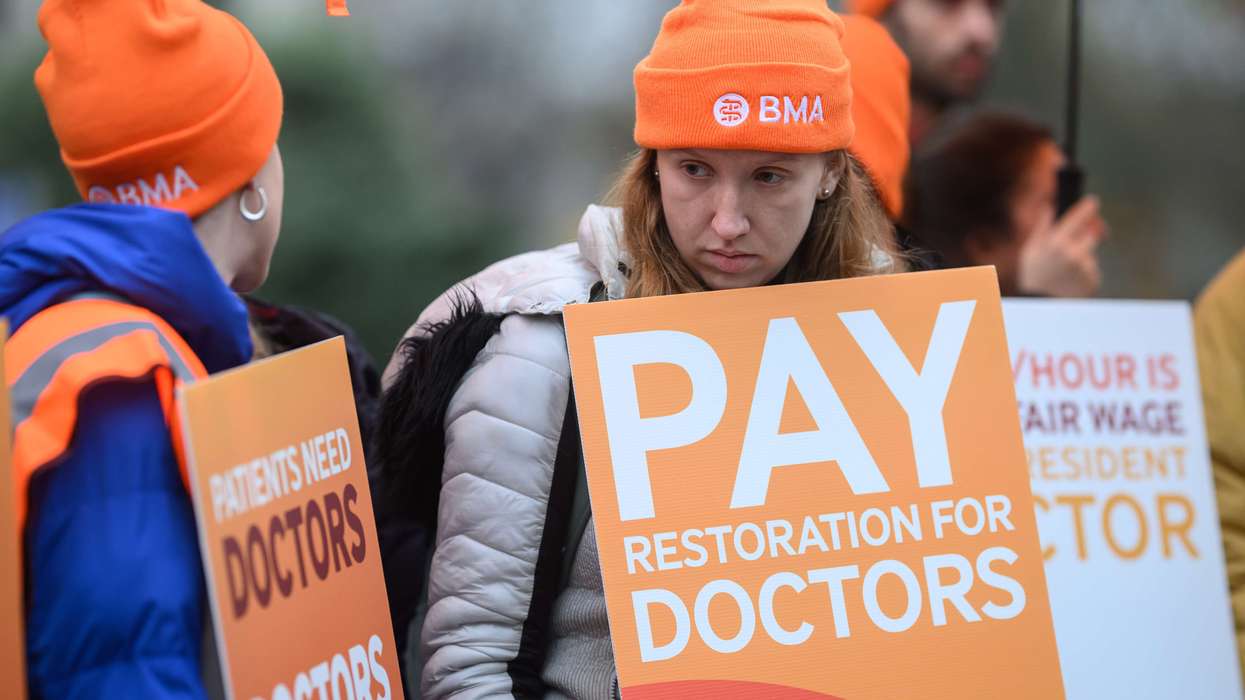
The resident doctors will take part in the ballot from Thursday (18) to decide on the future course of action after the government has put forth an offer to end their recurring strike actions over pay and other amenities.
They can vote on the offer until 26 June, and a simple majority is needed to proceed with the offer.
The Department of Health and Social Care has said the government's offer will provide resident doctors greater opportunities for career progression, better pay and improved working conditions.
The British Medical Association (BMA), which represents about 55,000 of England's roughly 75,000 resident doctors, is now putting the offer to members for their say. Strikes set to take place this week were called off as a result of this vote.
BMA committee chair Jack Fletcher has said that if the doctors reject the offer, the union would move ahead with plans for strike action next month.
Beneficial to doctors: Government
The government claims it has made the offer based on the feedback provided by the BMA Resident Doctors Committee, and it would help resident doctors benefit from pay structure reform, leading to more frequent pay rises as doctors gain key competencies and demonstrate increasing capability.
The revised offer brings forward pay scale reform so that resident doctors experience the benefit of the pay rises faster compared with the earlier offer set out in March.
Health secretary James Murray said, “This transformative offer improves the pay, working conditions and job prospects of hardworking resident doctors.
“It is a very good offer, and it’s one that will not get any better."
Resident doctors have had a 28.9 percent pay rise over the last three years – the highest anywhere in the public sector.
However, the BMA had contended that it was still lower than what they got in 2008 after inflation.
Under the offer, resident doctors would see an average pay rise of 4.9 percent this year, making resident doctors on average 35.2 percent better off than four years ago.
There would be even higher pay rises on average for the lowest paid first year and second year doctors – at 6.2 percent and 7.1 percent respectively.
The offer would also put money back in resident doctors’ pockets through the reimbursement of mandatory Royal College portfolio fees and mandatory examinations costs, often worth thousands of pounds.
It would also raise the Flexible Pay Premia for clinical academic resident doctors to £10,000 in recognition of their unique contribution.
Incentives for training
To tackle training bottlenecks that can hinder career progression, the offer would see up to an additional 4,500 training posts implemented over the next three years.
This includes 1,000 next year and 250 of these roles will start in February 2027.
This builds on the impact of the Medical Training Prioritisation Act - the new law this government has already brought in - which is expected to halve competition ratios for this year’s applicants.
The offer also provides greater stability for Locally Employed Doctors who are employed on a different contract to most resident doctors, allowing them to progress more easily into higher training and improve their terms and conditions.
NHS national medical director Professor Francesca Swords said, "We want the NHS to be the best place to work for resident doctors, and we know we haven’t always got things right.
“But we are turning things around; ending the frustration of payroll errors, providing faster turnaround on repaying expenses, and offering more training places – and we will not stop this important work.
“This offer agreed together with the BMA will increase pay further for resident doctors, reimburse them for expensive exam fees, ensure they have better training and job opportunities, and improve working conditions further.
“I hope resident doctors are already starting to feel the difference, and I hope that they recognise the further significant improvements this deal could make for them.”
Strike losses
Though the NHS has been able to deliver 94.1 percent of services during the recent round of strikes, they do affect patients and impact the NHS budget.
DHSC said if this offer is rejected, it will be operationally and financially impossible for the government to maintain such a generous offer again.