






Key Summary
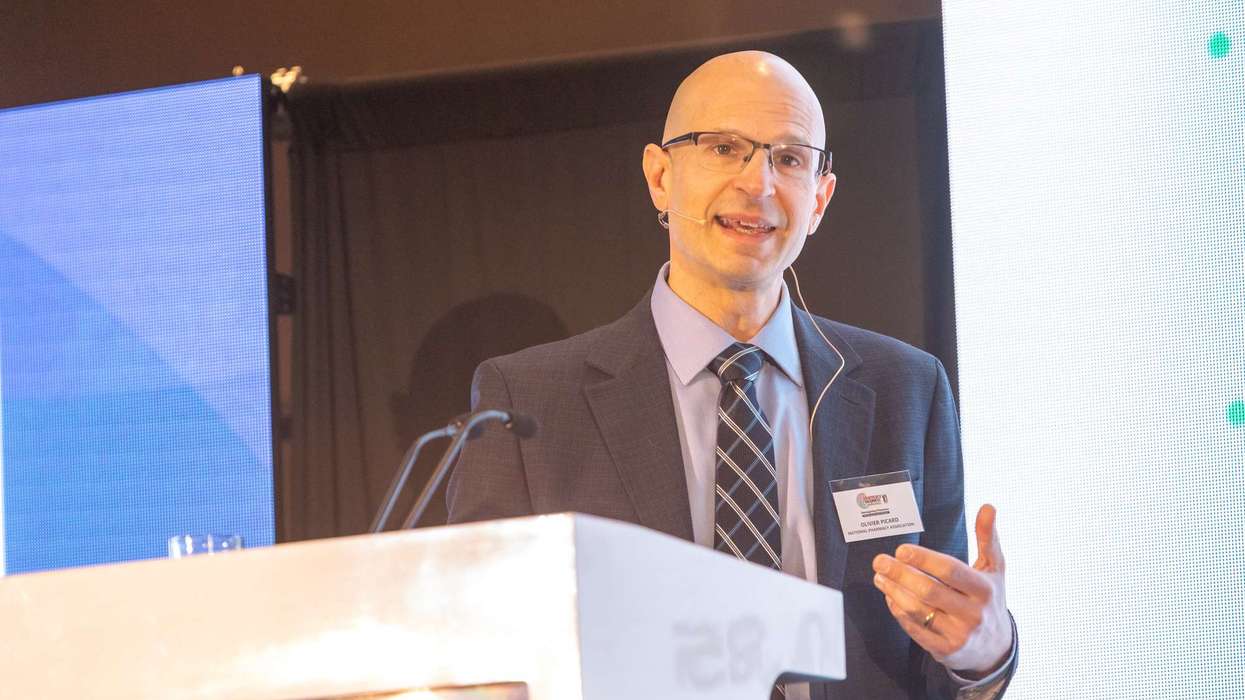
- Dr Olivier Picard spoke to Sky News about the new £340 million funding package for community pharmacies.
- Picard stressed that current funding levels fall short of the increasing responsibilities placed on pharmacists.
- He urged the government to match its clinical ambitions with sustainable funding, highlighting that Scotland's more robust model succeeds because it covers significantly more conditions.
Dr Olivier Picard, independent pharmacist and Chair of National Pharmacy Association (NPA) said that the newly announced £340 million funding package is welcome, but falls short of closing the £2.5bn funding gap “identified by the NHS itself”.
In a LinkedIn post he said, “At best, it barely keeps pace with rising costs facing pharmacies every single day.”
He said if the government is keen to shift care from hospitals into communities, then pharmacies should be properly funded to play that role.
Picard observed that community pharmacies are one of the most accessible parts of health system and has enormous potential. “But potential alone does not pay staff, cover rising costs, or keep local pharmacies open.”
He called for a fairer contractual framework; an end to the deeply flawed system of averaging and clawbacks; a settlement process that does not leave contractors carrying all the risk; and serious long-term investment in community pharmacy services.
Picard said that independent pharmacies continue to suffer and that simply cannot continue.
In the Sky News video interview embedded with the post, he said, “Pharmacy first has been a very successful service in England. We are seeing more than 3 million consultation every year, which technically saves 3 million consultations in a GP surgery.”
However, he lamented that in England only 5 percent patients are accessing Pharmacy First, whereas in Scotland, it is over 30 per cent.
The reason he cited was that while in England only seven conditions are treated under Pharmacy First, while in Scotland it is 27 conditions.
Picard, however, welcomed the latest move to add five more services under Pharmacy First in England. He noted they may include ailments such as eye infections (such as conjunctivitis), digestive problems, and potentially chest infections.
He said that while the government's announcement is a step in the right direction, a lot more could have been done, suggesting that the framework should include long-term chronic condition management.