






Key Summary
- HPV vaccine achieved a historic zero cervical cancer deaths among UK women aged 20–24 between 2020 and 2024.
- However, England's current 76 percent uptake rate falls dangerously below the WHO's 90 percent elimination target.
- The UK government is launching targeted catch-up campaigns through community pharmacies.
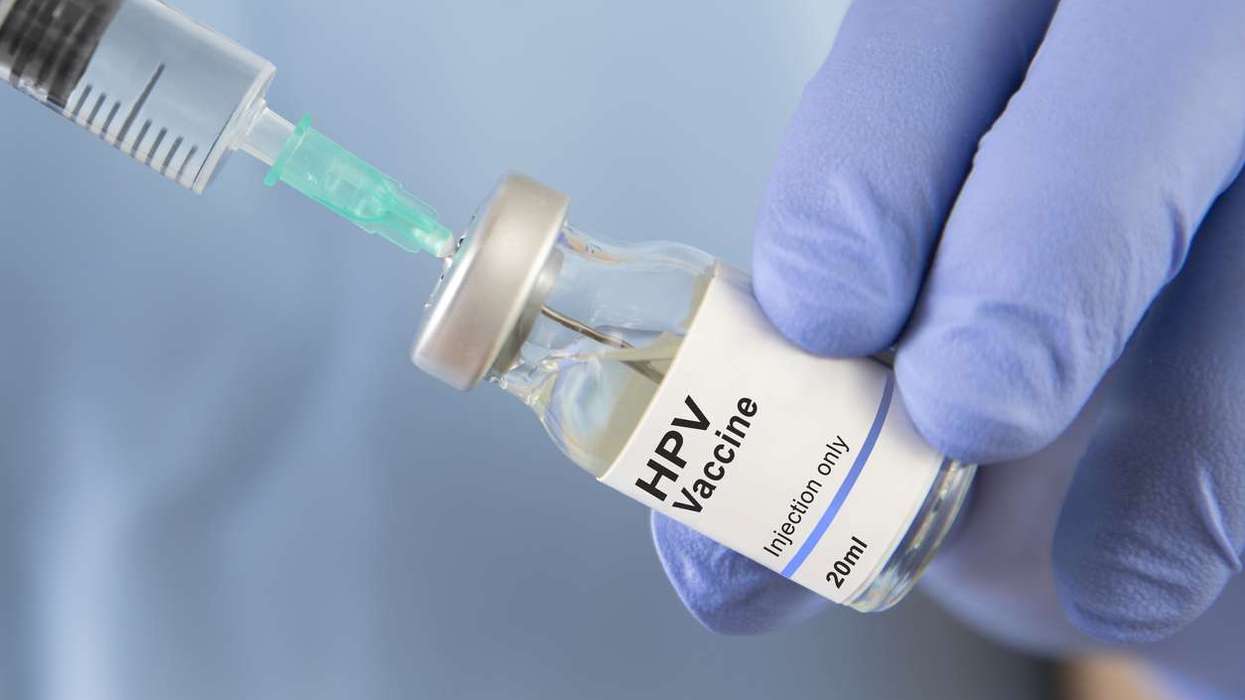
Children vaccinated at age 12-13 against HPV (human papillomavirus) have close to zero risk of dying from cervical cancer before the age of 30, according to new research.
The study, led by Queen Mary University of London and published in The Lancet, shows that mortality rates have fallen sharply since school-age girls began receiving the vaccine in 2008, preventing around 200 deaths in England so far.
Remarkably, between 2020 and 2024, no cervical cancer deaths were recorded in women aged 20 to 24 - marking the first time this milestone has been achieved over a five-year period.
Statistical models show that without the vaccination program, around 23 deaths would have been expected in this cohort.
Currently, cervical cancer remains the 14th most common cancer among females in the UK, with approximately 3,300 diagnoses every year.
In April, the HPV vaccination was made available in local community pharmacies to reach those who missed school vaccinations.
HPV, a common virus spread through close skin-to-skin contact, is responsible for 99 percent of those cases.
While most HPV infections clear up naturally without complications, some strains cause abnormal cell changes that can lead to cancer years later.
The report's authors expect the death toll from the disease to plummet further as vaccinated generations grow older and a wider segment of the population receives protection.
Cancer Research UK, which funded the study, described the findings as an "incredible milestone" but issued a stark warning that current vaccination rates in England are running below recommended levels.
The WHO recommends that by 2030, all countries should vaccinate 90 percent of girls with the HPV vaccine by the age of 15, screen 70 percent of women and treat 90 percent of those with cervical disease.
However, recent data from the UK Health Security Agency reveals that only 76 percent of girls in England were vaccinated by the age of 15 in the 2024-25 cycle.
"It's essential that the UK Government and health systems urgently address this with targeted action to reach communities where uptake is the lowest," says Michelle Mitchell at Cancer Research UK.
The vaccination program was extended to include boys in 2019, which helps protect them against cancers of the mouth, throat, and reproductive organs while simultaneously reducing the transmission of the virus to girls.
The Department of Health and Social Care in England said the study showed the "extraordinary impact of the HPV vaccination".
"We are boosting vaccine uptake so that more young people benefit from this life-saving protection - including rolling out catch-up HPV vaccination campaigns via community pharmacies," said a spokesman.