






s
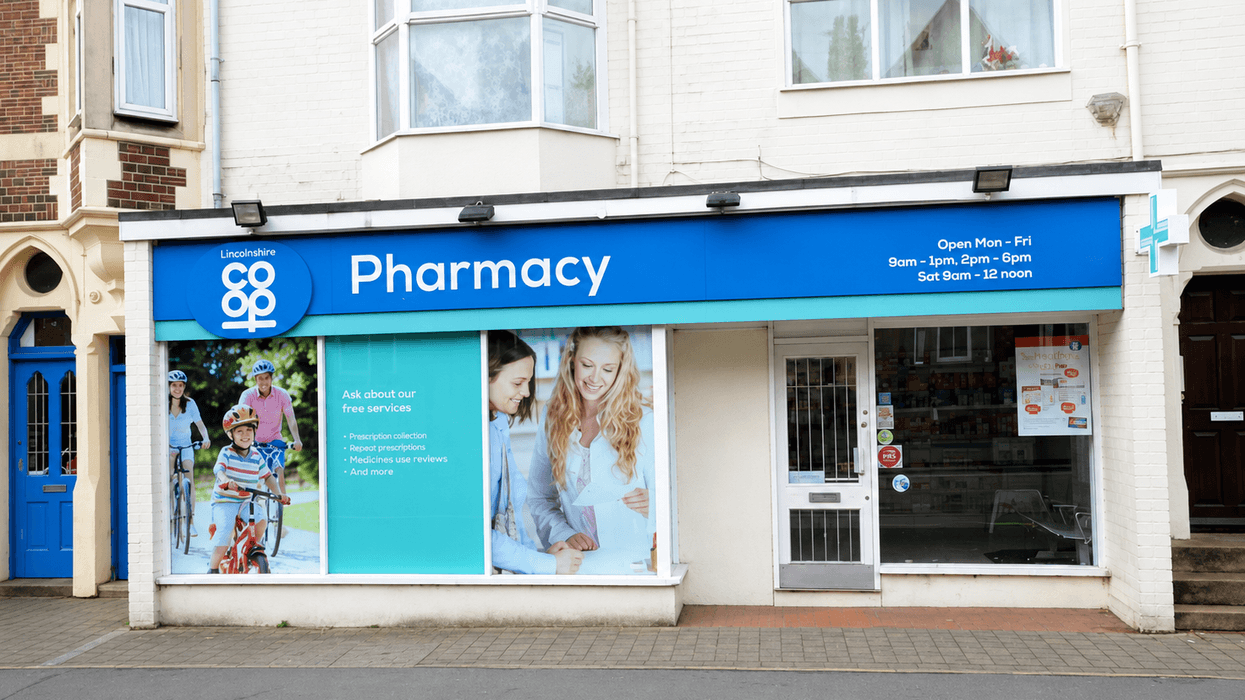
Community retailer Lincolnshire Co-op plans to reduce the headcount at its pharmacy warehouse in Lincoln to cut costs amid a fall in turnover.
The pharmacy warehouse employs 80 people and one part of the warehouse’s work is to supply prescription medication to the co-op’s pharmacy branches.
The society plans to move the supply of prescription medication to existing third-party suppliers which already make deliveries to its pharmacies.
A collective consultation has started with 42 colleagues, on a proposal to remove 27 roles.
The Society is working with its union Usdaw to explore all options and mitigate compulsory redundancies.
The independent co-operative, which trades in Lincolnshire and surrounding counties, employs over 2,770 people and operates more than 200 trading sites including food, pharmacy, post offices, travel branches and funeral homes.
It’s owned by its 300,000 members and runs an extensive community support programme.
Due to local community need, Lincolnshire Co-op’s business strategy Purpose Beyond Profit 2030 includes a new focus on healthcare and housing, as well as substantial investment in systems and technology to make the Society more efficient.
Cost pressures
In the first six months of the Society’s financial year, economic conditions and significant rising costs have seen its turnover fall by 1.2 per cent and its trading profit (EBITDA) reduce by 35 per cent.
The society employs around 300 people in the Support Centre in Lincoln and it has been in consultation with 52 employees about proposed changes to their roles.
After consulting Usdaw, the society has been able to minimise compulsory redundancies to fewer than 10.
Lincolnshire Co-op has also made changes to its property portfolio to enable a future investment focus on healthcare and housing.
Lincolnshire Co-op CEO Alison Hands said, “Many businesses across the UK are experiencing challenges - and Lincolnshire Co-op is not immune to that. Our costs continue to rise, including significant increases in the National Living Wage and National Insurance, and in the latest half year financial results we reported that our turnover and trading profit are both down.
“However, we do have a strong balance sheet and reserves, as well as an investment plan which supports growth of our business to ensure we are able to serve our communities for many, many years to come.
“This plan includes new technology such as electronic shelf edge labels and self-checkouts in food stores, and improved IT systems across all our business areas. We’re also developing future areas of our business in healthcare and housing and the refocus of our property portfolio is part of that work.”
However, she said that to achieve this the society will have to take difficult decisions.