






Key Summary
- MHRA has published a position paper that sets out regulatory roadmap for microbiome-based medicines.
- MBMPs work by modulating, restoring, or replacing the human microbiome.
- Some international regulators have approved donor-derived microbiota products to treat Clostridioides difficile (C. difficile) infections.
The Medicines and Healthcare products Regulatory Agency (MHRA) has published a comprehensive position paper on how microbiome-based medicines can be developed and licensed for patients across the UK.
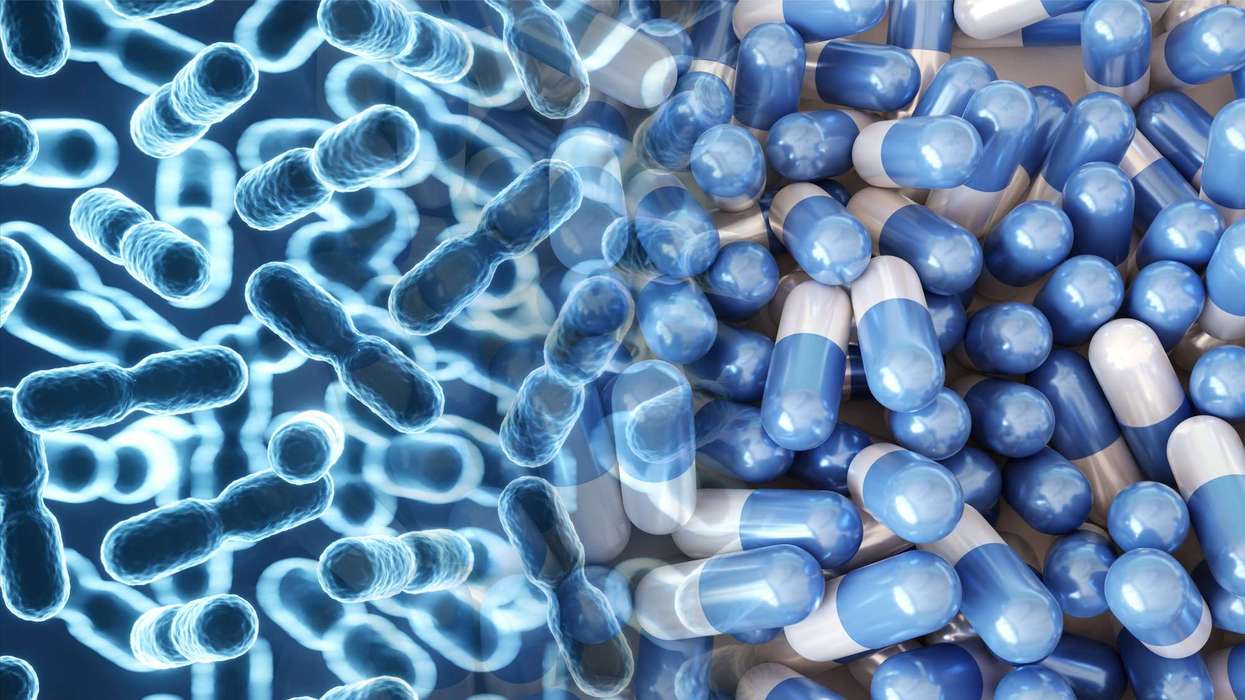
Microbiome-based medicinal products (MBMPs) work by modulating, restoring, or replacing the human microbiome.
The emerging class of treatments represents a major therapeutic frontier, with the potential to tackle challenging conditions and combat rising antimicrobial resistance (AMR).
The regulator confirmed that MBMPs fall within the scope of the existing UK medicines framework set out in the Human Medicines Regulations 2012.
Depending on their specific biological characteristics and composition, MBMPs will be regulated as biological medicinal products or, where applicable, as advanced therapy medicinal products (ATMPs).
While no MBMP currently holds a UK marketing authorisation, microbiome interventions are already used in clinical practice and research through alternative regulatory routes, most notably faecal microbiota transplantation (FMT), which is available under clinical trial authorisations
Some international regulators have approved donor-derived microbiota products to treat Clostridioides difficile (C. difficile) infections.
The MHRA’s position paper highlights critical regulatory hurdles developers must address, including detailed product characterisation, manufacturing consistency, batch-to-batch variability control, safety profiling (including AMR transmission risks), and the generation of high-quality clinical trial data.
Julian Beach, Executive Director of Healthcare Quality and Access at the MHRA, highlighted the regulator's commitment to supporting developers: "Microbiome-based medicinal products represent one of the most interesting and fast-moving areas in medicine today.
“Our position paper gives developers the clarity they need to bring these innovations forward with confidence, while ensuring patients continue to be protected by the same rigorous standards that underpin all licensed medicines in the UK.
"The UK’s existing, proportionate and evidence-based licensing frameworks are ready to support this field. Early engagement with us is the best way for developers to navigate it successfully."
To help derisk investment before pivotal trials, the agency is encouraging innovators to engage early with the MHRA Innovation Office and Scientific Advice services to establish clear, tailored development roadmaps.
Additionally, the MHRA noted ongoing global alignment, including the European Union's incoming Substances of Human Origin (SoHO) framework.