






In a recent chat with Pharmacy Business, Brian Chambers, Managing Director at leading wholesaler AAH Pharmaceuticals, spoke about the challenges faced by the community pharmacy sector and how they affect wholesalers and manufacturers as well.
What is happening to the supply chain?
“Pharmacies are delivering real clinical care,” Chambers said. “Real patient outcomes. Keeping people out of hospital, out of GP waiting rooms, and living better lives in their communities. That's not small. That's an extraordinary real-life impact.”
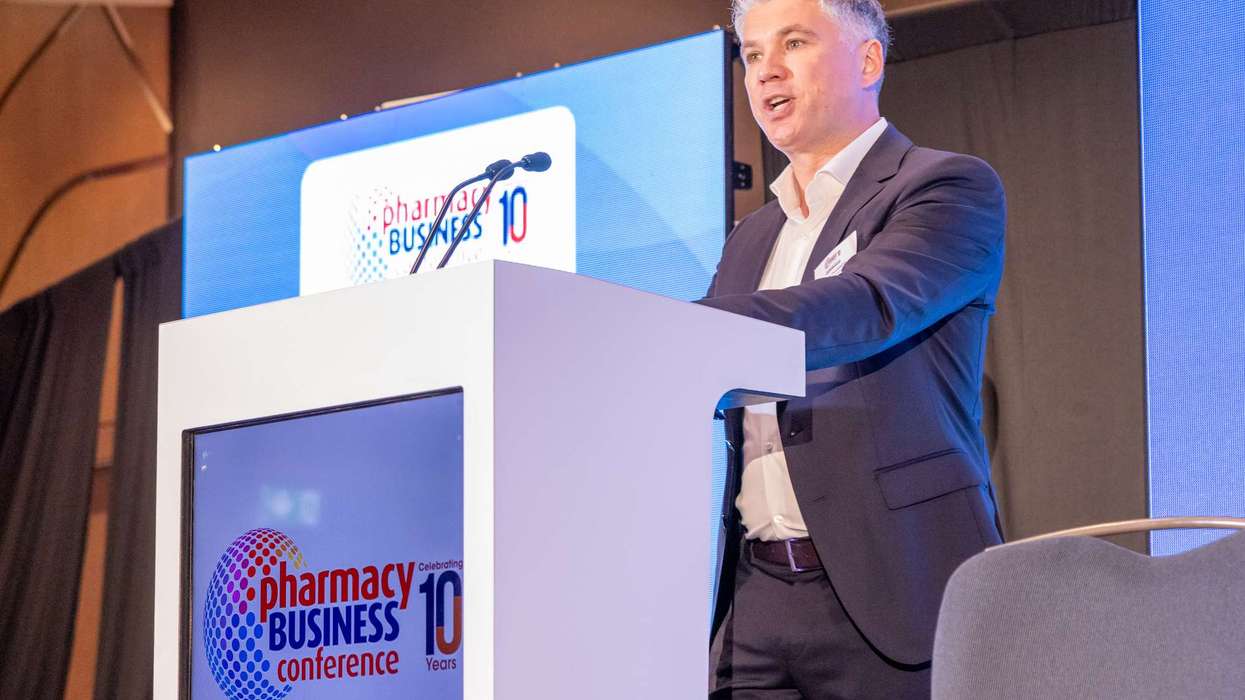
“But the system is under real strain. This is not a future risk, it is something we are managing today. At the recent Pharmacy Business Conference, a pharmacist shared their numbers openly on stage. Ten percent of their time goes on NHS and private services — and it delivers 100 percent of their profit. Ninety percent of their time goes on dispensing, and it is loss-making.”
“There is a quote I keep coming back to: ‘Every system is perfectly designed to get the results it gets’. Over half of all generics now carry a reimbursement price at or below £1, and a growing proportion of medicines are being supplied at, or very close to, the cost of distribution. Driving prices to these levels may look like efficiency. But it is a false economy. The system pays for it later through instability, shortages and rising concessionary costs.”
“A lot of what we are calling shortages are not real shortages. The medicine exists. The supply chain is there. What does not exist is the economic incentive to bring it here, or keep it here. That is not a supply crisis. That is a pricing crisis.”
“Inflation and input costs have increased, while prices have moved in the opposite direction. There is no effective mechanism in the current framework to absorb or recover those cost increases. It is sometimes suggested that this is a positive outcome, that the system is doing its job by driving prices down. It is not. It is a warning. And if this is considered the system working as intended, then we have to be honest. The model itself is wrong.”
“I have been discussing these warnings a lot of late, and recently a pharmacist posted a comment directly on my LinkedIn page responding to something I had written about the supply chain. He said his role — every single day — is to make sure he doesn't dispense at a loss. That's what he described as his purpose, and that is tragic.
"Because that pharmacist didn't go to university for years to become a procurement optimiser. He went to university to help people. To manage conditions. To prevent hospital admissions. To be a clinician in his community.”
“But the system has reduced his daily ambition to: don't lose money on that pack. We've somehow built a system where the clinical expert in the room is forced to think like a trader. And that should bother all of us.”
“That is not his failure. That is a systematic failure. And it matters because it tells us exactly what needs to change. The reason pharmacy buys the way it buys is because the funding model demands it. Multiple suppliers. Switching volumes overnight for a penny difference. Nobody blames pharmacy for that. It is rational. It is survival. But the consequences are real for everyone in the chain.”
A system under pressure
Brian then spoke to the resilience of the system and how important it is to work together.
“What is different today is the level of alignment across the sector. In recent discussions bringing manufacturers, wholesalers and pharmacy operators together, there has been a clear and shared understanding of the challenges we are facing. That level of alignment is rare, and it matters.”
“This is a supply chain that only works when all parts of it work together. Manufacturers, wholesalers and pharmacies are interdependent, and the resilience of the system depends on that. No single part of the chain can solve this on its own. If the system is to evolve, it will require a more joined-up approach and a clear, shared view of what the UK needs from its medicines supply chain.”
What would help
When asked about what could be done to improve the system, Brian explained that the model needs to better support pharmacies.
“The single biggest structural improvement to this system would be one where pharmacies do not feel the need to buy from multiple wholesalers every day simply to remain financially viable. That behaviour is entirely rational, but it fragments the supply chain, reduces predictability and makes it harder to consistently get medicines where they are needed. What the system needs is more predictable demand and less fragmentation. That is what allows wholesalers and manufacturers to plan, invest and build a supply chain that can absorb pressure.”
“A model that properly supports pharmacy, particularly in relation to the clinical services it is being asked to deliver, would reduce the need for that behaviour. It would allow wholesalers and manufacturers to plan with greater confidence, invest in service and infrastructure, and ultimately deliver a more reliable and sustainable supply of medicines.”
Conclusion
“I am continuing to speak with pharmacists and get their thoughts around what can be done to stabilise the supply chain. Community pharmacy is not a peripheral part of the NHS. It is the front door. But the system around it needs to evolve to match the role it is being asked to play. If we get that right, the opportunity is significant. If we don’t, the strain we are seeing today becomes the norm.”