






Key Summary
- The NHS has begun operational rollout planning with vaccinations expected to be available in England from the end of July 2026.
- Those born between 1 September 2007 and 31 August 2008 will be contacted through the NHS app, text, email, or letter depending on records held by the health service.
- Meningococcal disease is life-threatening and can result in life-changing disabilities such as amputations, hearing loss, and brain damage.
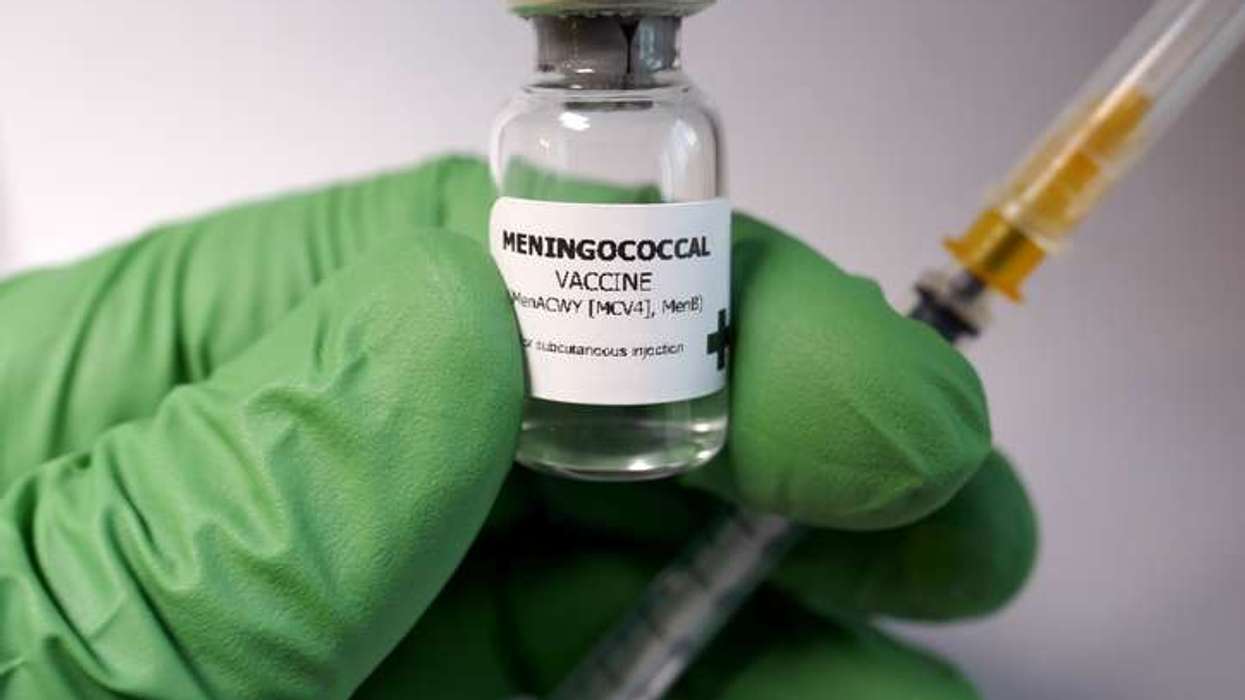
A one-off vaccination programme involving community pharmacies is being launched in late July, ahead of the 2026 academic year, to protect young people from contracting meningococcal B disease (MenB).
The two-dose vaccination will be available to people who complete year 13 of education in the summer of 2026, born between 1 September 2007 and 31 August 2008, as well as those under 25-years old starting university or moving into some residential further education settings for the first time in autumn 2026.
All those within the Year 13 date of birth range (17- and 18-year-olds) will receive the offer irrespective of their education plans.
They will be contacted directly through the NHS app, text, email, or letter, depending on the records held by the health service.
Post-graduates or those starting a second (or later) year will not be covered by this offer.
The NHS has begun operational rollout planning with vaccinations expected to be available in England from the end of July 2026 ahead of the new academic year.
Pharmacy owners are being asked to administer two doses of the MenB vaccine, and it will be provided by NHS England from centrally procured stock.
Following the first dose, a second dose should be administered at least 28 days later and ideally before term starts in September 2026.
Alongside the rollout, DHSC, NHS England, and UKHSA will deliver a public information campaign to drive uptake among eligible groups.
Also Read: 'We were deluged with meningitis vaccine requests'
Welcome step: Pharmacy leaders
Community Pharmacy England chief executive, Janet Morrison, said, “The Meningococcal B vaccination programme will be an important step in protecting young people this summer, and it is no surprise that the NHS and Government are looking to community pharmacy to help; pharmacies have a strong track record in making sure vaccinations get to the people who need them most.
“Negotiations about pharmacy’s involvement are ongoing, but we hope to be in a position to share further details with pharmacy owners very soon.”
National Pharmacy Association chief executive Henry Gregg said, "We're delighted the government has listened to calls from the NPA and others to use pharmacies to provide MenB vaccines for older teenagers who may be at risk.
"This will be a huge relief to parents who will be about to send their children to university, who will have understandably been concerned about the tragic outbreaks in Kent and elsewhere this year.
"A number of pharmacies already deliver MenB vaccines as a private service, showing that pharmacies are quickly able to deliver this on the NHS.
"We now need more details from the government about how this roll out will work in practice but this is yet another example of how pharmacies can offer protection and health services to millions of people on their doorsteps."
Company Chemists’ Association chief executive Malcolm Harrison said, “Recent meningitis outbreaks have highlighted the importance of vaccinations in protecting the public from serious diseases.
"The announcement shows the crucial role community pharmacies play in delivering convenient and accessible vaccination services to help curb outbreaks.
"This campaign will provide peace of mind to students and parents ahead of the new academic year, ensuring that students can start university with greater protection against a serious and potentially life-threatening disease.
"Pharmacies are ready to play a bigger role in administering childhood vaccines, and can help reverse worrying trends in uptake, as outlined in our recent evidence to the Lords Childhood Vaccinations Committee.1 This is another step towards a broader, nationally commissioned pharmacy vaccination offer for children and adolescents. We look forward to further details of the programme which is subject to ongoing consultation with Community Pharmacy England.
"The CCA launched the Pharmacy Vaccinations Development Group (PVDG) two years ago, bringing together key stakeholders from across both the supply chain and various public bodies, to explore how community pharmacy could play a larger role in administering a whole range of NHS vaccines.”
Fin McCaul, chair of CPE’s Service Development Subcommittee and Regional Representative, said, “The government’s desire to involve community pharmacy in the Meningococcal B vaccination programme is a really positive development: it is a testament to the amazing way in which pharmacies continue to step up and deliver – despite facing very serious ongoing challenges.
“It additionally highlights the constructive relationship that the sector still has with the Government and NHS.
“With a new Secretary of State for Health now in place, it’s encouraging to see ministers once again turning to pharmacy for solutions.”
Meningitis causes
Meningococcal disease is life-threatening and can result in life-changing disabilities such as amputations, hearing loss, and brain damage.
The viruses and bacteria that cause meningitis can be spread through close contact with a person who has them.
This can be through kissing or sharing drinks or vapes or close contact with the person for long periods of time, such as living in the same home.
UKHSA estimates that the relative risk of invasive MenB disease in first-year university students is substantially higher than that of others.
The MenB outbreak in Kent earlier this year was the fastest-growing and largest ever seen in the UK, and there have also been more clusters than normal this year.
UKHSA data shows there were 313 confirmed cases of Meningococcal Group B (MenB) in England during 2024/25, which accounts for approximately 83 percent of all invasive meningococcal disease (IMD) cases, disproportionately affecting young adults and teenagers, as well as infants who are already offered the vaccine through the NHS schedule.
Health secretary James Murray said, "The Kent outbreak and recent clusters indicate a possible change to the way MenB affects people. While we assess the latest evidence, we are acting now to help protect young people at highest immediate risk as they enter university and residential colleges this autumn."
He said the two doses of the jabs ahead of the academic year will help reduce the risk of serious illness and larger outbreaks.
"I urge all those students who are eligible to come forward for their two doses in July and August, to give them peace of mind as they head off to continue their studies."
Deputy chief medical officer Dr Thomas Waite said, "Two doses of the MenB vaccine, at least four weeks apart are needed for maximum protection, and I encourage everyone who is attending university and further education for the first time this autumn to come forward for their first dose as soon as possible."
Welcoming the announcement, Meningitis Research Foundation chief executive Vinny Smith said it will protect young people and its speedy implementation will provide vital protection to students before they start university in the autumn.
"Having supported thousands of people during the Kent outbreak, and as clusters of cases emerged in Weymouth and Reading this year, we know how important fast action is."