






Key Summary
- Nearly a quarter (24%) of households with children under five experience food poverty.
- It rises to 50% among single-parent families and 39% among households with a disabled adult.
- EPI is calling for free meal eligibility for all disadvantaged pre-schoolers, an expansion of the Healthy Start Scheme, and a review of family safety-net incomes.
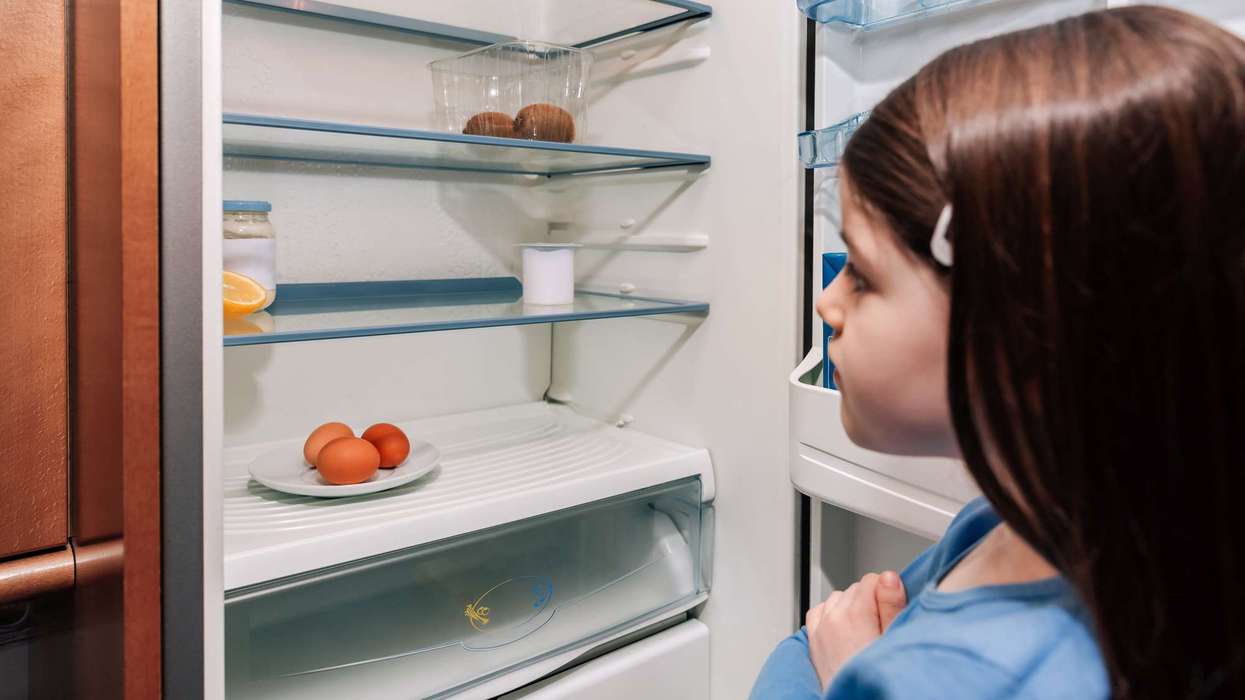
Nearly a quarter (24%) of households with children under five in England experience food poverty, according to a new analysis.
The study by the Education Policy Institute (EPI) through its Early Years Observatory, reveals that pre-school children face higher levels of food insecurity than older cohorts.
The issue is much hard on people from vulnerable demographics.
One in two (50%) single-parent households with children under five experiences food poverty. More than a third (39%) of households with a child under five and an adult living with a disability struggle to afford adequate food.
While some nursery-aged children are entitled to free meals, this provision applies solely to those attending standalone state-maintained nursery schools or school-based nurseries.
Most pre-school children attending registered early years settings remain ineligible.
Policy recommendations by EPI
The EPI's Early Years Observatory has outlined three actionable recommendations for government policy:
- Universal Early Years Free Meals: Extend free meal eligibility to all disadvantaged pre-school children regardless of setting, ensuring access is based on need rather than local provision.
- Expand the Healthy Start Scheme: Include four-year-olds and non-British children in households with no recourse to public funds, alongside raising the income threshold to capture more eligible families.
- Strengthen the Income Safety Net: Review wider social security policies to ensure all families have sufficient baseline income to afford essentials, including nutritious food.
Dr Kerris Cooper, Associate Director (Early Years and Inequalities) at the EPI, said: “The support that exists was designed around older children and overlooks pre-school children despite higher levels of need: most pre-school children do not have access to free meals, and the Healthy Start Scheme leaves out children who need it.
“Both are clear, actionable fixes, along with addressing the root cause of the problem which is income poverty.”
Deputy Chief Executive at Royal Society for Public Health, Matthew Bazeley-Bell, said: “As health inequalities continue to widen across the country, this data reflects a worrying trend which suggests that we are going backwards when it comes to building a healthier future for all. But with action, we can turn the tide.
"Access to healthy food is a crucial building block to creating healthy habits that follow into adulthood. We know that with a healthy start in life, future generations are more likely to have positive health outcomes and higher levels of productivity in adulthood.
“If we want to improve health outcomes for our children, we must put preventative measures in place. Better access to healthy foods for all households with children, including providing all pre-school children with access to meals regardless of the type of early years setting they attend, would help tackle inequalities and ensure that no one gets left behind.
“If we want a healthy and prosperous nation, we must start viewing child nutrition as a long-term priority that affects everyone.”
Cllr Dr Wendy Taylor MBE, Chair of the Local Government Association’s Health and Wellbeing Committee, said: “Supporting children and young people to lead happy and fulfilling lives is one of the most important jobs councils do, but there needs to be an increased focus on preventative measures to reduce pressure on local services.”