






Key Summary
- The total cost of delivering NHS pharmaceutical services last year was estimated at over £5 billion, but the funding provided was just over £2.5 billion.
- He urged the community pharmacy fraternity to be more united while carrying out their future struggles.
- Al-Hassan does not expect a single payout, but a credible, multi-year pathway back to profitability for pharmacies.
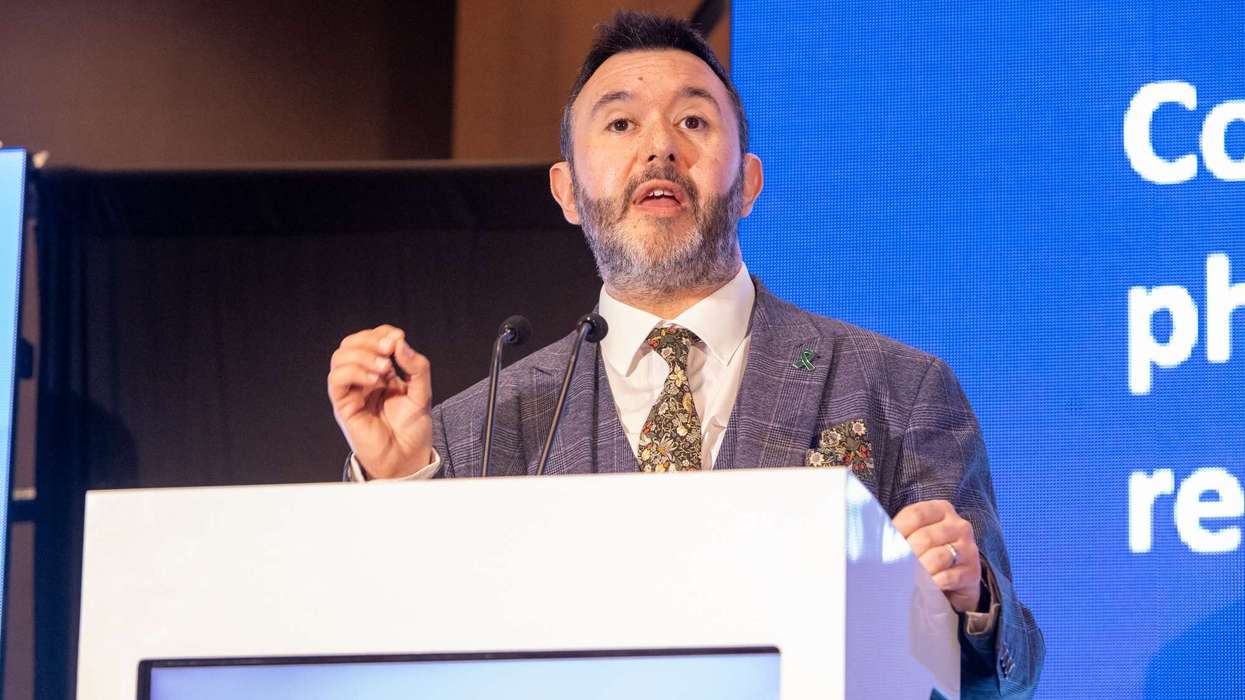
All-Party Pharmacy Group (APPG) chair Sadik Al-Hassan has said that pharmacies are being asked to do more clinical services and take up more responsibility for significantly less money in real terms than a decade ago.
While delivering a keynote address at the 2026 Pharmacy Business Conference at the London Hilton Wembley on Sunday (19), Al-Hassan, a former pharmacist, termed the years of pharmacy sector underfunding as the "elephant in the room".
"The figures reflect this issue just as clearly - the total cost of delivering NHS pharmaceutical services across England last year was estimated at over £5 billion. The funding provided at the time was just over £2.5 billion. That leaves a theoretical shortfall of £2.3 billion."
However, Al-Hassan noted that after he became a member of parliament from North Somerset and later APPG chair, he realised that though the community pharmacy makes up a small portion of the NHS budget, it "punches extraordinarily above its weight when it comes to political influence."
"And I can tell you - that if the voice of pharmacy were any weaker, if the sector were any less organised, any less united, the situation we face today would be considerably worse.
"That is not a small thing. That is the result of years of advocacy, of pharmacists and pharmacy leaders refusing to simply accept what they're given. And it matters enormously."
Al-Hassan acknowledged that some progress was made last year. "The funding settlement covering 2024/25 and 2025/26 was a 19 percent increase on 2023/24 levels and significantly, the highest across the NHS.
"The government also wrote off £193 million of historic medicines margin overspend, a long overdue recognition of the pressures the sector has carried through and beyond the pandemic, but we know what that means in reality," he said.
However, he urged the community pharmacy fraternity to be more united while carrying out their future struggles.
"When pharmacy speaks with a fractured voice, when different parts of the sector pull in different directions, we hand our opponents an easy way out.
"When pharmacy speaks with one voice, things change. I have seen it. A united sector is a sector that gets heard - and more importantly, a sector that gets results."
He said the unity is not just "desirable", but "essential".
Strained finances
Al-Hassan said the public finances are under strain, and cautioned that the outcome of the ongoing Community Pharmacy Contractual Framework (CPCF) negotiations may not see a "sudden, transformational injection of funding overnight".
"What we should be fighting for, as the 2026/27 negotiations are underway, is not a single payout, but a credible, multi-year pathway back to profitability.
"A structured commitment from government that begins to close that gap, year by year, in a way that can be planned against and built upon," he said.
He pointed out that the government has already committed in principle to work towards sustainable funding. "We must hold them to that commitment - loudly, unitedly, and with the evidence to back it up."
Pharmacy in focus
However, he said in the government's 10-year plan to move care from hospitals to neighbourhood, pharmacy is the 'cornerstone' and not a peripheral player.
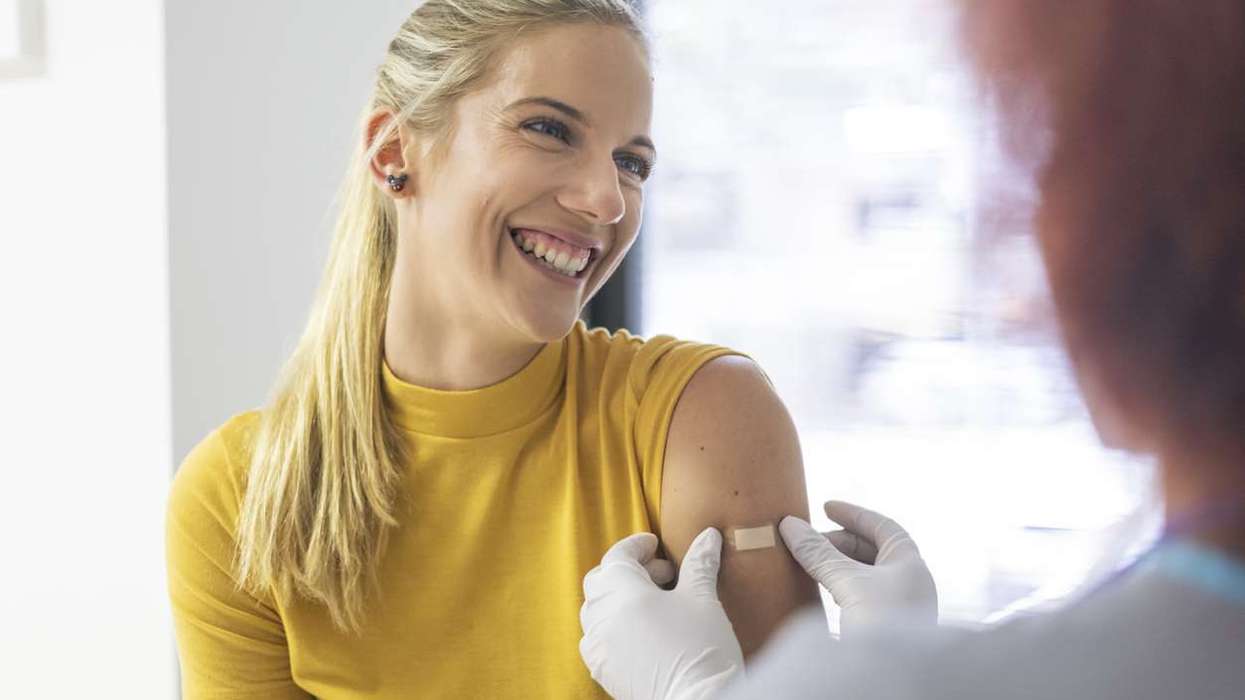
"Look at the numbers. In the last flu season, community pharmacies in England administered over four million flu vaccinations - the highest figure ever recorded outside of the Covid pandemic, and a ten per cent increase on the year before.
"More than one in four over-65s who received a flu vaccine last winter got it from their pharmacy. That is up nearly 20 percentage points in five years."
He pointed out that this means that over four million patients "did not need to see a GP, did not need a hospital appointment, and did not need to travel far from home."
Al-Hassan also expressed satisfaction over the outcomes of Pharmacy First scheme. "In its first year, the service delivered over five million consultations. More than 98 percent of pharmacies have signed up. Patient demand is growing month on month.
"The service is diverting patients away from overstretched GP surgeries, in some estimates freeing up the equivalent of millions of GP appointments a year," he said.
Al-Hassan said this shows that the 'public appetite' is there, but a policy framework and sustained funding is needed to match the ambition.
He projected that the role for pharmacy will grow in the future, but it won't be able to deliver if it has to fight for its financial survival.
Al-Hassan lauded the determination of pharmacists, "Who show up every day despite the pressures, because they believe in what they do."
The North Somerset MP said he will keep fighting for a future "where the policy reflects the reality - where pharmacy is funded, valued, and recognised for the extraordinary contribution it makes to the health of this nation."