






Key Summary
- The resident doctors' pay will be 35.2 percent higher on average compared with four years ago, and wage rises will be more frequent.
- The BMA referendum was held between 18 June and 26 June, and 52.9 percent voted in favour of the government offer.
- Each day of strike action by resident doctors costs the NHS around £50 million.
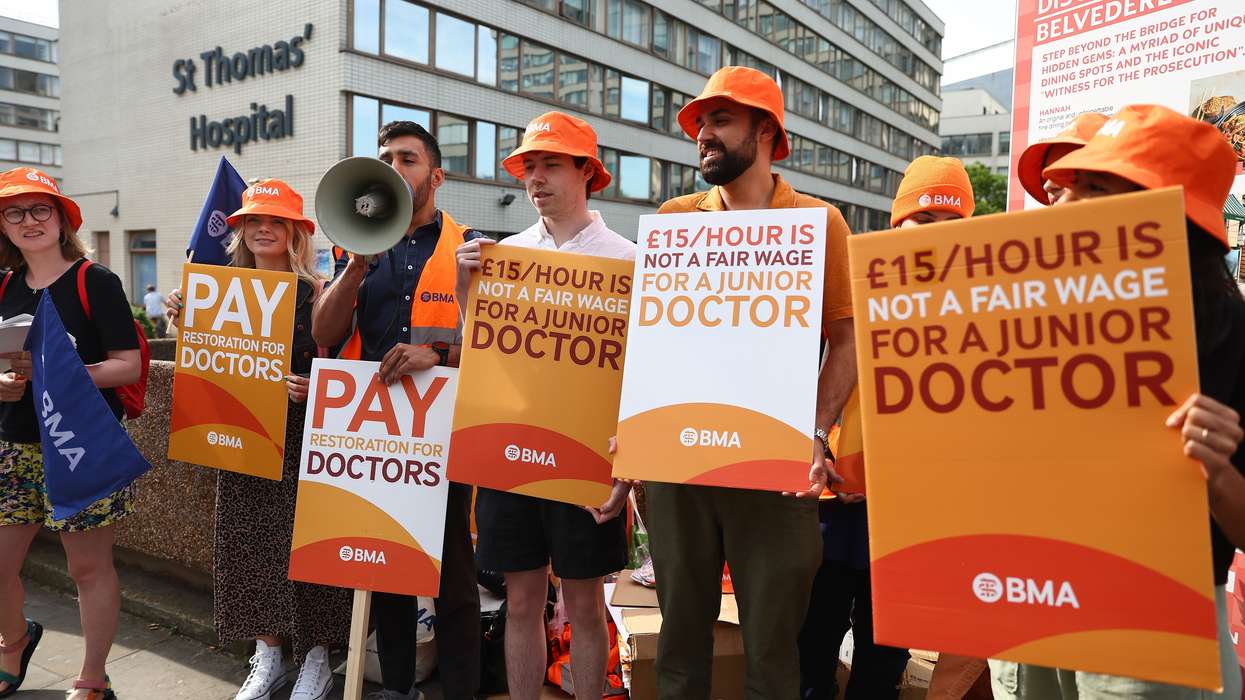
Resident doctors have voted against periodic strikes and decided to work with the government on its latest offer of a pay hike and increased training opportunities.
The Government will continue to engage with the British Medical Association (BMA) and other stakeholders to implement this deal and establish a new working relationship.
The acceptance of the deal brings an end to the dispute in England after 15 rounds of industrial action since 2023.
As per the deal, the resident doctor's pay will be 35.2 percent higher on average compared with four years ago.
They will also benefit from pay structure reform, leading to more frequent wage rises as they progress and gain new skills, which benefit the health service.
Up to 4,500 additional training places will also be created, allowing more resident doctors to progress in their careers to more senior roles.
The government had brought down competition rates for training places after legislation to prioritise UK graduates and those who have spent a significant period in the NHS.
The end of strikes by resident doctors will allow the NHS to focus on supporting patients and improving working conditions for all staff, rather than managing disruptive industrial action.
Each day of strike action by resident doctors costs the NHS around £50 million, and this settlement will avert thousands of appointments and procedures being cancelled on each day of strike action.
The BMA referendum was held between 18 June and 26 June, and 52.9 percent voted in favour of the government offer.
Health secretary James Murray said, "This is very good news for resident doctors, patients and the NHS as a whole, allowing us to draw a line under the disruption of previous months and focus on getting on with the job of rebuilding our health service.
"Because of this deal, resident doctors will benefit from a new pay structure, better career progression opportunities and a range of other improved conditions to support them as they rotate and train. Patients will be relieved that the NHS is entering a period of greater stability.
"But this is the beginning, not the end of the journey. I know there is much more to do, and I am determined to keep working constructively with resident doctors, all NHS staff, and the unions who represent them to improve their working lives and together build a health service that is fit for the future."
NHS National Medical Director Professor Frankie Swords said, "The NHS can focus on providing high quality care for patients and the best working environment for all of our staff - including important improvements for resident doctors – and we can avoid further disruption from strikes."
BMA resident doctors committee chair Jack Fletcher said, "Resident doctors have spoken. They have decided that the current offer is sufficient to continue on the road to pay restoration, and sufficient to address the absurd lack of jobs in the NHS. The strikes will now end.
"These strikes did not need to happen. We spent far too long at loggerheads with the Government when a solution in everyone’s interest was waiting for us: more jobs for doctors, better pay for doctors, and a better-staffed NHS secured for patients well into the future. This is what constructive negotiations can achieve."